
Choosing the right insulation material for your Signal Hill home is one of the most impactful decisions you can make for long-term comfort and energy efficiency. Signal Hill sits in California’s Climate Zone 8, characterized by warm, dry summers, mild winters, and coastal air from the nearby Pacific Ocean. Homes here face unique challenges: attic temperatures can spike above 140°F in summer, coastal humidity accelerates certain material degradation, and air quality concerns from the greater Los Angeles Basin make airtight building envelopes increasingly valuable.
R-value measures a material’s resistance to heat flow — the higher the number, the better the insulation performs. California’s Title 24 energy code sets minimum R-value requirements for Signal Hill homes, but many older properties fall well short of those standards, leading to higher utility bills and inconsistent indoor temperatures.
Read moreShow less
This guide walks you through every major insulation material type available to Signal Hill homeowners, explaining R-value ranges, climate-specific pros and cons, ideal applications, and cost expectations — so you can make a fully informed decision before any work begins.
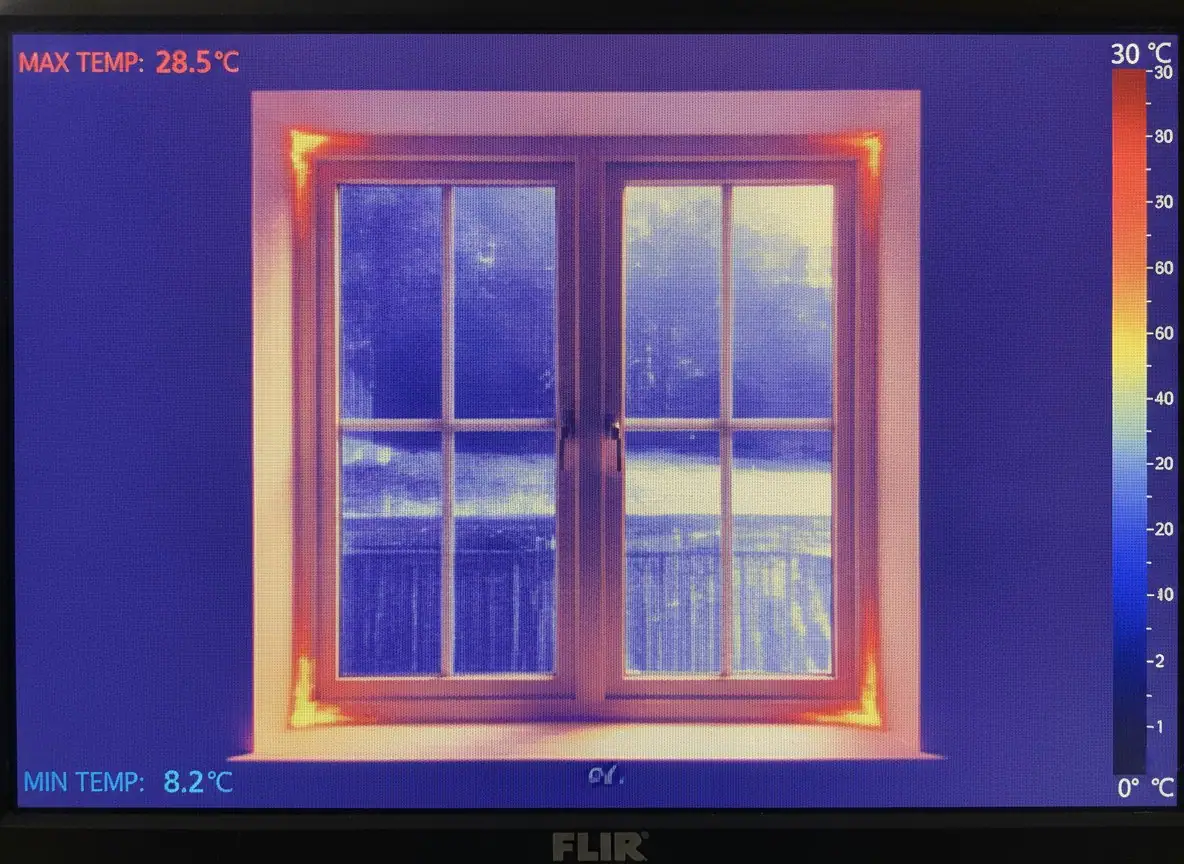
Understanding Insulation Types for Signal Hill Homes
Signal Hill homeowners have access to a wide range of insulation materials, each suited to different parts of the home, budget levels, and performance goals. The main categories include spray foam (open-cell and closed-cell), blown-in loose-fill materials such as cellulose and fiberglass, batt and roll products, rigid foam boards, and mineral wool.
Several local factors shape which materials perform best here. Signal Hill falls under California Climate Zone 8, which prioritizes cooling efficiency over heating. The city’s housing stock includes a significant number of mid-century homes built between the 1940s and 1970s, many with older fiberglass batts that have settled or degraded over time and with limited wall cavity insulation. Newer construction must comply with California Title 24 Part 6 energy standards, which set specific minimum R-values for attics, walls, floors, and crawl spaces.
Coastal proximity means moisture management matters more here than in inland Southern California. Salt-laden air, while not extreme, can influence certain material choices over the long term. Wildfire risk, while lower in Signal Hill proper than in foothill communities, still makes fire-resistance ratings a worthwhile consideration. Additionally, Signal Hill’s position within Los Angeles County means homeowners may qualify for Southern California Edison rebate programs tied to insulation upgrades — another factor worth weighing when selecting materials. Understanding these intersecting variables is essential before choosing any insulation product.
How Signal Hill’s Climate Affects Your Insulation Material Choice
Signal Hill’s location in Southern California’s coastal basin creates a specific performance profile that should drive every insulation decision. Summer daytime temperatures regularly reach the low-to-mid 80s°F, but attic spaces can reach 140°F to 150°F on peak days, dramatically increasing cooling loads for homes without adequate insulation or ventilation. Choosing a material with a high R-value per inch — such as closed-cell spray foam or polyiso board — helps minimize heat transfer through the attic floor into living spaces.
Coastal proximity keeps relative humidity modestly elevated compared to inland deserts, which matters when selecting between moisture-sensitive materials like standard cellulose versus moisture-resistant options like closed-cell spray foam or mineral wool. While Signal Hill does not face the same wildfire exposure as foothill communities, fire-rated materials such as mineral wool are still worth considering for overall building safety.
Read moreShow less
For attic upgrades in existing homes, blown-in cellulose or fiberglass is typically the most cost-effective path to reaching the recommended R-38 to R-49 range for Climate Zone 8 attics. For wall insulation in older mid-century homes, dense-pack cellulose or open-cell spray foam can be installed with minimal disruption. Crawl spaces and rim joists benefit most from closed-cell spray foam due to its vapor control properties. New construction projects should combine batt insulation in wall cavities with spray foam air sealing at penetrations for comprehensive performance that meets or exceeds California Title 24 requirements.
Free, no-obligation estimates
Talk to Clear Price Attic Insulation
Tell us what you need and we’ll take it from there.
Insulation Materials Available in Signal Hill, CA
Spray Foam Insulation
Spray foam insulation is applied as a liquid that expands and hardens, creating a seamless air and thermal barrier. It comes in two forms: open-cell (R-3.5 to R-3.7 per inch) and closed-cell (R-6 to R-7 per inch). For Signal Hill homes, closed-cell spray foam is especially effective because it also acts as a vapor barrier, resisting coastal moisture infiltration. Open-cell foam is a cost-effective choice for interior walls where air sealing is the primary goal. Best applications include attic roof decks, rim joists, crawl space walls, and hard-to-reach cavities. Pros include superior air sealing, moisture resistance, and long service life. Cons include higher upfront cost ($1.50–$4.50 per square foot installed depending on type and thickness) and the need for professional application.
Blown-In (Loose-Fill) Insulation
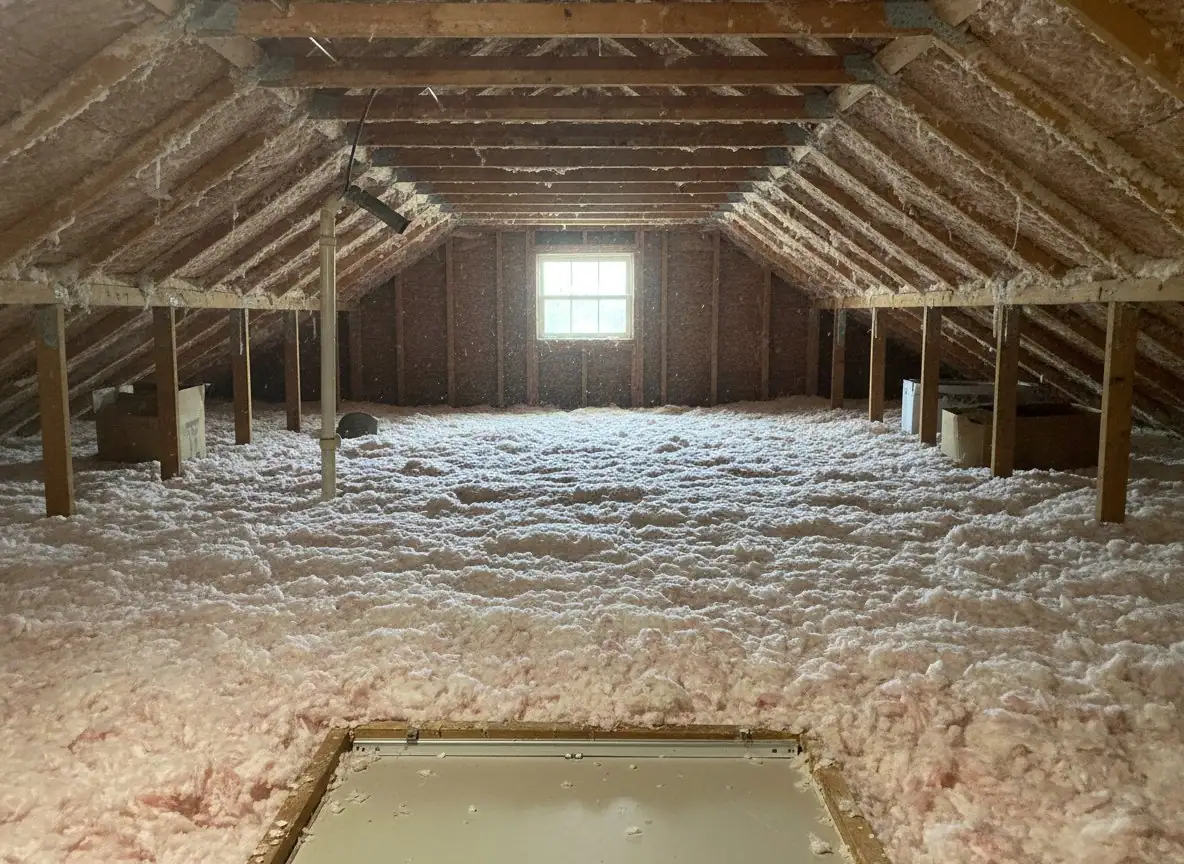
Blown-in insulation is machine-installed as loose material — most commonly fiberglass or cellulose — that fills cavities and covers attic floors evenly. R-values range from R-2.2 to R-3.8 per inch depending on material. For Signal Hill attics, blown-in insulation is one of the most practical upgrades because it conforms to irregular framing and existing structures without demolition. It is excellent for topping up existing insulation in older homes to meet current Title 24 standards. Pros include fast installation, good coverage in open attic floors, and relatively low cost ($1.00–$2.50 per square foot installed). Cons include potential settling over time and the need for proper air sealing before installation to maximize effectiveness in Signal Hill’s warm climate.
Fiberglass Batt Insulation
Fiberglass batts are pre-cut panels of spun glass fiber, available in standard widths to fit between wall studs and attic joists. R-values range from R-11 to R-38 depending on thickness. This is the most widely recognized insulation material and is already present in many Signal Hill homes, though it often needs replacement or supplementation after decades of settling and compression. Batts work best in new construction or during renovation when wall cavities are open. Pros include low material cost, wide availability, and fire resistance. Cons include poor performance when gaps exist between batts and framing — a common issue in older Signal Hill homes — and limited moisture resistance without a vapor facing. Installed cost ranges from $0.50–$1.50 per square foot.
Mineral Wool / Rockwool Insulation
Mineral wool, also known as Rockwool or stone wool, is made from volcanic rock or industrial slag spun into fibers. It offers R-3.0 to R-3.3 per inch with excellent fire resistance (rated up to 1,400°F), making it a strong option for Signal Hill homeowners conscious of wildfire risk and urban fire safety. Mineral wool is also naturally water-repellent and resistant to mold — a meaningful advantage given Signal Hill’s coastal humidity. It performs well in both attic floors and wall cavities. Pros include superior fire safety, sound dampening, and moisture resistance. Cons include a higher price than standard fiberglass batts and slightly heavier weight. Installed cost ranges from $1.40–$2.50 per square foot.
Cellulose Insulation
Cellulose is made from recycled paper products treated with fire-retardant chemicals, and is one of the most environmentally sustainable insulation options available. R-values range from R-3.2 to R-3.8 per inch. Blown-in cellulose is particularly effective for Signal Hill attics and can be dense-packed into existing wall cavities through small holes — making it ideal for upgrading older homes without full wall demolition. Pros include high recycled content, good air resistance when dense-packed, and competitive cost ($1.00–$2.20 per square foot installed). Cons include susceptibility to moisture absorption if not properly air-sealed — an important consideration in Signal Hill’s coastal environment — and potential settling over time that slightly reduces long-term R-value performance.
Foam Board (Rigid) Insulation
Rigid foam board is manufactured in panels of polyisocyanurate (polyiso), expanded polystyrene (EPS), or extruded polystyrene (XPS), offering R-values from R-3.8 to R-6.5 per inch depending on type. These boards are slim, durable, and highly effective for applications where space is limited. In Signal Hill homes, rigid foam is commonly used on exterior walls, under roofing, in garage ceilings, and on crawl space walls. Polyiso offers the highest R-value per inch and performs well in the mild Signal Hill climate. Pros include high R-value in thin profiles, moisture resistance, and versatility. Cons include higher cost than batts ($1.50–$4.00 per square foot installed), the need for a fire-rated thermal barrier when used indoors, and careful seam sealing to prevent air leakage.
Why Signal Hill Homeowners Trust Clear Price Attic Insulation for Insulation
At Clear Price Attic Insulation, we specialize in helping Signal Hill homeowners navigate the full range of insulation materials with confidence and clarity. Here is what sets us apart:
Expertise across all insulation types:
Expertise across all insulation types:Our technicians are trained and experienced with spray foam, blown-in, batt, mineral wool, cellulose, and rigid foam installations — matching the right material to every application.
Licensed and fully insured:
Licensed and fully insured:We carry all required California contractor licenses and comprehensive liability coverage, protecting you throughout every project.
Manufacturer-certified installation:
Manufacturer-certified installation:Our team holds certifications from leading insulation manufacturers, ensuring products are installed to specification and warranty standards.
Free insulation assessment:
Free insulation assessment:We evaluate your existing insulation, measure current R-values, identify air leakage points, and provide clear, itemized recommendations with no obligation.
Warranty coverage:
Warranty coverage:We back our labor and materials with solid warranty protection, giving Signal Hill homeowners long-term peace of mind.
Local code and rebate knowledge:
Local code and rebate knowledge:We stay current with California Title 24 requirements and Southern California Edison energy efficiency rebate programs, helping you maximize savings on your upgrade.
FAQ
Insulation Materials FAQ for Signal Hill Homeowners
What is the best insulation type for Signal Hill’s climate?
There is no single best material — the right choice depends on where you are insulating and your home’s construction. For attics in Signal Hill’s Climate Zone 8, blown-in cellulose or fiberglass is cost-effective and performs well when paired with proper air sealing. For air sealing and moisture control in crawl spaces or rim joists, closed-cell spray foam is typically the top performer. Mineral wool is an excellent all-around choice if fire resistance and sound dampening are priorities.
What R-value do I need for my Signal Hill home?
California Title 24 recommends R-38 to R-49 for attics in Climate Zone 8, depending on the specific compliance pathway used. Wall insulation is typically R-13 to R-21 for standard 2×4 or 2×6 framing. Floors over unconditioned spaces should reach R-19 or higher. Many Signal Hill homes — particularly those built before 1980 — fall well short of these targets and stand to gain significant energy savings through upgrades.
How do insulation material costs compare in Signal Hill?
Fiberglass batts are the least expensive option at roughly $0.50–$1.50 per square foot installed. Blown-in cellulose and fiberglass run $1.00–$2.50 per square foot. Mineral wool batts typically cost $1.40–$2.50 per square foot installed. Rigid foam board ranges from $1.50–$4.00 per square foot. Open-cell spray foam runs $1.50–$2.50 per square foot, while closed-cell spray foam is the most expensive at $2.50–$4.50 per square foot — though its performance advantages often justify the investment in specific applications.
Is attic insulation different from wall insulation?
Yes, significantly. Attics are typically insulated along the floor (between living space and attic) or at the roof deck, and blown-in or batt materials are most common. Attic insulation has the greatest impact on cooling costs in Signal Hill’s warm climate. Wall insulation is installed within the stud cavities and has a stronger effect on comfort and air infiltration. Different R-value targets, access methods, and material choices apply to each location.
How much can I save on energy bills by upgrading insulation in Signal Hill?
The U.S. Department of Energy estimates that proper insulation and air sealing can reduce heating and cooling costs by 10% to 20% annually. In Signal Hill, where air conditioning drives a significant portion of summer utility bills, attic insulation upgrades often deliver the fastest payback. Homes with little or no existing insulation can see even greater savings. A free assessment from Clear Price Attic Insulation will give you a clearer picture of expected savings based on your specific home’s current condition.
Are there rebates or tax credits available for insulation in California?
Yes. Southern California Edison offers rebates through its Energy Efficiency programs for qualifying insulation upgrades in existing homes. The federal government provides a 30% tax credit (up to $1,200 per year) for insulation improvements under the Inflation Reduction Act’s Energy Efficient Home Improvement Credit (25C). California’s Energy Upgrade California program may also provide additional incentives. Eligibility depends on the materials used, R-value achieved, and your utility provider. We can help you identify which programs apply to your project.
How long does insulation last in a Signal Hill home?
Most insulation materials have a functional lifespan of 20 to 80 years, but performance can degrade sooner due to moisture intrusion, pest damage, settling, or improper installation. Fiberglass batts in older Signal Hill homes often compress significantly over 30 to 40 years, reducing their effective R-value. Spray foam and rigid foam board generally maintain their performance for the life of the structure when properly installed. A professional assessment is the best way to determine whether your existing insulation is still performing as intended.
Can I insulate over existing insulation in my Signal Hill attic?
In most cases, yes. Adding blown-in insulation on top of existing attic insulation is a common and cost-effective method for bringing older Signal Hill homes up to current R-value standards. However, it is important to address any air leaks, damaged insulation, or moisture issues first. If existing insulation is contaminated, compressed below 50% of its original thickness, or affected by pests, replacement may be more appropriate. A professional assessment will clarify the best path forward.
Get a Free Insulation Assessment in Signal Hill
Not sure which insulation material is right for your Signal Hill home? Clear Price Attic Insulation offers a comprehensive, no-obligation insulation assessment to help you understand your current R-values, identify air leakage problems, and compare material options within your budget. We work with every major insulation type and bring deep knowledge of Signal Hill’s climate, California Title 24 requirements, and available rebate programs to every evaluation.
Our team is fully licensed, insured, and committed to transparent pricing — no surprise charges, no pressure. Call us today at 562-784-7649 to schedule your free assessment and take the first step toward a more comfortable, energy-efficient home in Signal Hill.
Why choose us
Why choose Clear Price Attic Insulation?
Free estimates
Get a clear, no-obligation estimate before any work begins.
Licensed & insured
Your property and our crew are protected on every project.
Residential & commercial
One team for homes, multi-family and commercial properties.
Locally owned & operated
A local team serving your community and the surrounding area.
Get in touch
Find insulation help near you
Request a free estimate online or give us a call — our team will follow up quickly.
- Call us(562) 784-7649
- Visit1653 E 28th St #6, Signal Hill, CA 90755
- HoursMon-Sun 07:00-19:00