
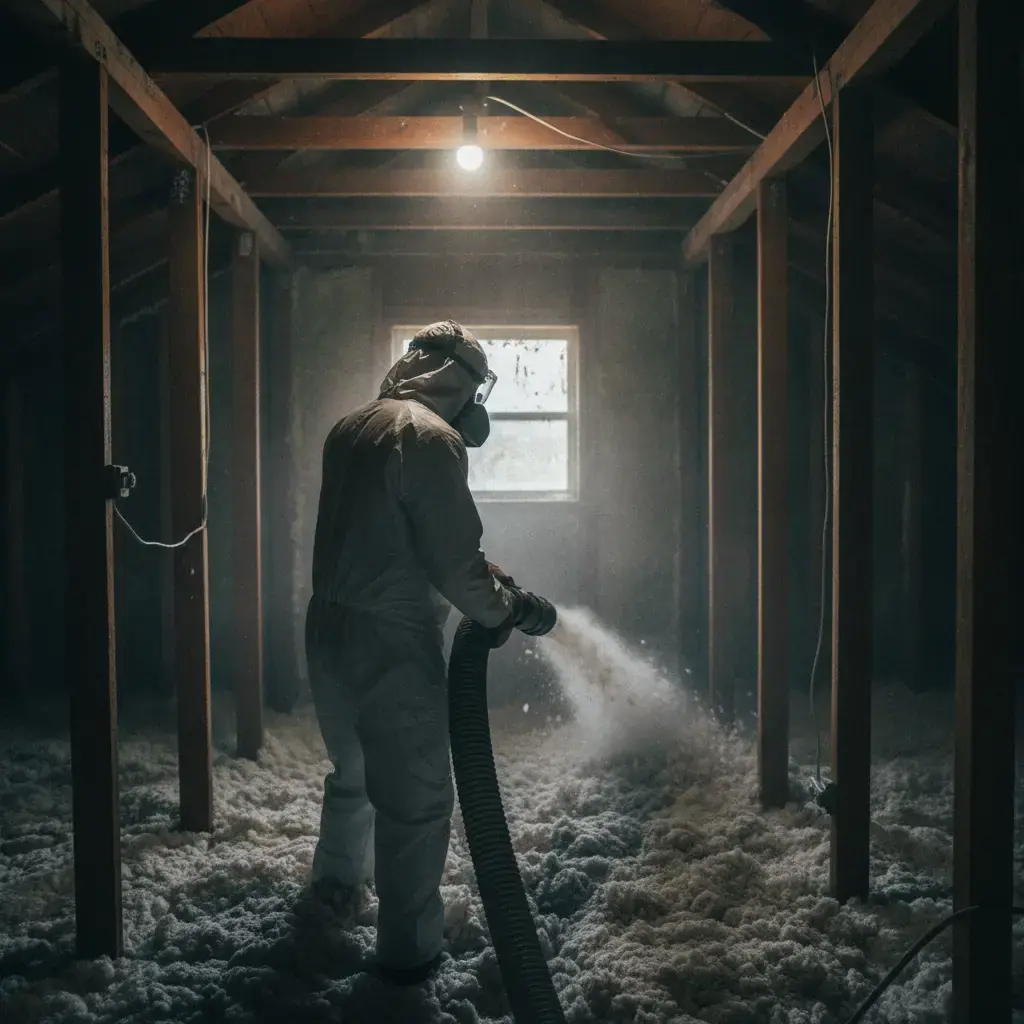
Ceiling Insulation in Signal Hill, CA
Energy-Saving Ceiling Insulation for Signal Hill, CA Homes — Licensed & Insured
Get expert ceiling insulation in Signal Hill, CA. Clear Price Attic Insulation offers R-38 upgrades, blown-in & spray foam. Free estimates — call (562) 784-7649.
Ceiling insulation is a thermal and acoustic barrier installed between your living space and the roof or attic above, designed to regulate indoor temperatures, reduce energy consumption, and improve comfort year-round. In Signal Hill, CA — a compact, incorporated city sitting atop a prominent hill in Los Angeles County — the combination of marine-influenced coastal breezes, warm inland temperatures, and decades of older housing stock creates unique insulation demands that general-purpose contractors often overlook.
At Clear Price Attic Insulation, we specialize in ceiling insulation solutions tailored specifically to homes and commercial buildings throughout Signal Hill and the surrounding South Bay and Long Beach communities. From the hillside bungalows built during the 1920s oil boom to the mid-century tract homes and modern condominiums that define the city today, we understand the structural and climatic realities your ceilings face every day. Our team delivers transparent pricing, professional installation, and materials matched to Signal Hill’s distinctive environment — so you pay a clear price and get lasting results.
Understanding Ceiling Insulation
Ceiling insulation refers to any material or system placed at the ceiling plane — either between ceiling joists in an attic floor assembly or directly against the underside of the roof deck — to limit heat transfer between conditioned living space and unconditioned areas above. The principle is straightforward: heat moves from warm zones to cool ones, and without an effective thermal barrier, your HVAC system works overtime to compensate.
Modern ceiling insulation products fall into several broad categories. Fiberglass batts and rolls have been in widespread use since the 1950s and remain common in Signal Hill’s mid-century homes. Blown-in loose-fill insulation — using fiberglass or cellulose — became the retrofit standard through the 1970s and 1980s, particularly as California energy codes tightened following the 1973 oil crisis. Spray polyurethane foam (SPF) emerged as a high-performance option in the 1990s and is increasingly preferred in newer construction and commercial retrofits. Rigid foam board and mineral wool are additional options suited to specific structural conditions.
Read moreShow less
In California, ceiling insulation performance is measured by R-value — a numerical rating of thermal resistance. The California Energy Commission’s Title 24 Building Standards Code currently recommends a minimum of R-38 for attic assemblies in Climate Zone 8, which encompasses Signal Hill. Many older homes in the city fall well short of this threshold, with pre-1978 structures commonly found with R-11 or R-19 insulation — or no insulation at all in unconditioned attic spaces.
Signal Hill’s position as a historically oil-rich urban enclave means the city contains a particularly diverse building stock: early 20th-century cottages on small lots, 1940s and 1950s stucco ranch-style homes, 1970s apartment complexes, and modern mixed-use developments along East Spring Street. Each building type presents unique ceiling insulation challenges, from vaulted ceilings with limited rafter depth to flat roof assemblies common in commercial buildings near the Cherry Avenue corridor. Understanding these structural nuances is fundamental to choosing the right insulation approach — and Clear Price Attic Insulation brings that expertise to every project.
Why Ceiling Insulation Is Needed in Signal Hill, CA
Coastal-to-Inland Temperature Swings
Signal Hill sits at the intersection of coastal marine influence and the warmer air masses that push inland from the Los Angeles Basin. During summer months, daytime temperatures on the hill frequently reach 85–92°F, while evening marine layer events can drop temperatures to the low 60s within a matter of hours. This 25–30°F diurnal temperature swing places significant cyclical stress on building envelopes. Ceilings without adequate insulation allow this thermal energy to penetrate freely, spiking cooling loads during the day and allowing hard-earned warmth to escape during cool evenings — driving up energy bills year-round.
The Legacy of Oil-Era Construction
Signal Hill’s residential development history is inseparable from the 1921 oil discovery that transformed the city into one of the most productive oilfields in California history. The rapid housing construction that followed through the 1920s and 1930s prioritized speed over energy efficiency — a concept that barely existed at the time. Hundreds of original bungalows and worker cottages from this era remain occupied today along streets like Temple Avenue, California Street, and Lime Avenue. These homes were built with minimal or no ceiling insulation, relying instead on natural ventilation strategies that are increasingly inadequate given modern living expectations and climate trends.
Title 24 Compliance and California Energy Standards
California’s Title 24 energy code has grown progressively stricter since its first adoption in 1978. Signal Hill homeowners undertaking permitted remodels, HVAC replacements, or additions are now required to bring ceiling insulation up to current R-38 standards in Climate Zone 8. Failure to comply can result in failed inspections and costly retrofits. Clear Price Attic Insulation is well-versed in Title 24 documentation requirements and can prepare your home for permit-ready compliance.
Wildfire Smoke and Air Quality Events
The Los Angeles region has experienced increasingly severe wildfire seasons. Events such as the 2020 Bobcat Fire and subsequent smoke events introduced air quality index (AQI) readings above 150 into Signal Hill and Long Beach for days at a time. Properly sealed ceiling assemblies — including air-sealing performed alongside insulation installation — reduce infiltration of particulate-laden outdoor air, helping protect indoor air quality for residents with respiratory sensitivities.
Aging Apartment and Multi-Family Stock
The East Willow Street and West 27th Street corridors contain a significant concentration of 1960s and 1970s apartment complexes, many of which have never had ceiling insulation updated. Tenants in upper-floor units routinely report summer temperatures exceeding 80°F indoors even with air conditioning running — a direct consequence of inadequate attic insulation above. Property owners face both habitability concerns and rising utility complaints when ceiling assemblies remain under-insulated.
Free, no-obligation estimates
Talk to Clear Price Attic Insulation
Tell us what you need and we’ll take it from there.
Signs You Need Ceiling Insulation in Signal Hill
Temperature and Comfort Issues
- Rooms on the top floor are consistently 8–12°F warmer than lower floors during summer afternoons
- Indoor temperatures fluctuate noticeably with Signal Hill’s evening marine layer arrivals
- Air conditioning or heating runs for extended cycles without reaching the thermostat setpoint
- Cold spots or drafts near ceiling fixtures and recessed lighting during winter months
Energy and Utility Indicators
- Monthly electricity bills from Southern California Edison consistently exceed neighborhood averages for your square footage
- Year-over-year energy consumption is increasing without corresponding changes in usage habits
- HVAC equipment is being replaced or serviced more frequently than expected due to overuse
Visual and Physical Warning Signs
- Visible gaps, compressed batts, or missing insulation sections visible from attic hatch access
- Water stains on ceilings indicating past roof leaks that may have damaged or displaced existing insulation
- Presence of vermiculite or deteriorating fiberglass batts in pre-1980 homes — a potential asbestos concern requiring professional evaluation before disturbance
- Insulation depth of less than 10 inches when measured in the attic (indicating R-value below the R-38 Title 24 minimum)
Urgency Indicators
- Upcoming permitted renovation or HVAC replacement triggering mandatory Title 24 compliance
- Tenant complaints about temperature extremes in upper-floor rental units
Our process
Our Ceiling Insulation Process in Signal Hill
Clear Price Attic Insulation follows a structured, transparent process to ensure every Signal Hill ceiling insulation project is completed correctly, safely, and on schedule.
- 01
Free On-Site Assessment (1–2 Hours)
We begin with a no-cost site visit to your Signal Hill property. Our technician accesses the attic or ceiling cavity, measures existing insulation depth and R-value, inspects for moisture damage, checks ventilation conditions, and photographs the existing asse
- 02
Detailed Written Estimate (24–48 Hours)
You receive a line-item written estimate with no hidden fees — consistent with the Clear Price commitment. The estimate specifies materials, R-value targets, square footage, and labor costs. We identify whether Title 24 documentation is required for your proje
- 03
Insulation Removal (If Required) (Half to Full Day)
Older Signal Hill homes often require removal of degraded, contaminated, or insufficient existing insulation before new material is installed. insulation removal is performed using HEPA-filtered vacuum equipment to minimize dust and particulate exposure. Remov
- 04
Air Sealing (1–3 Hours)
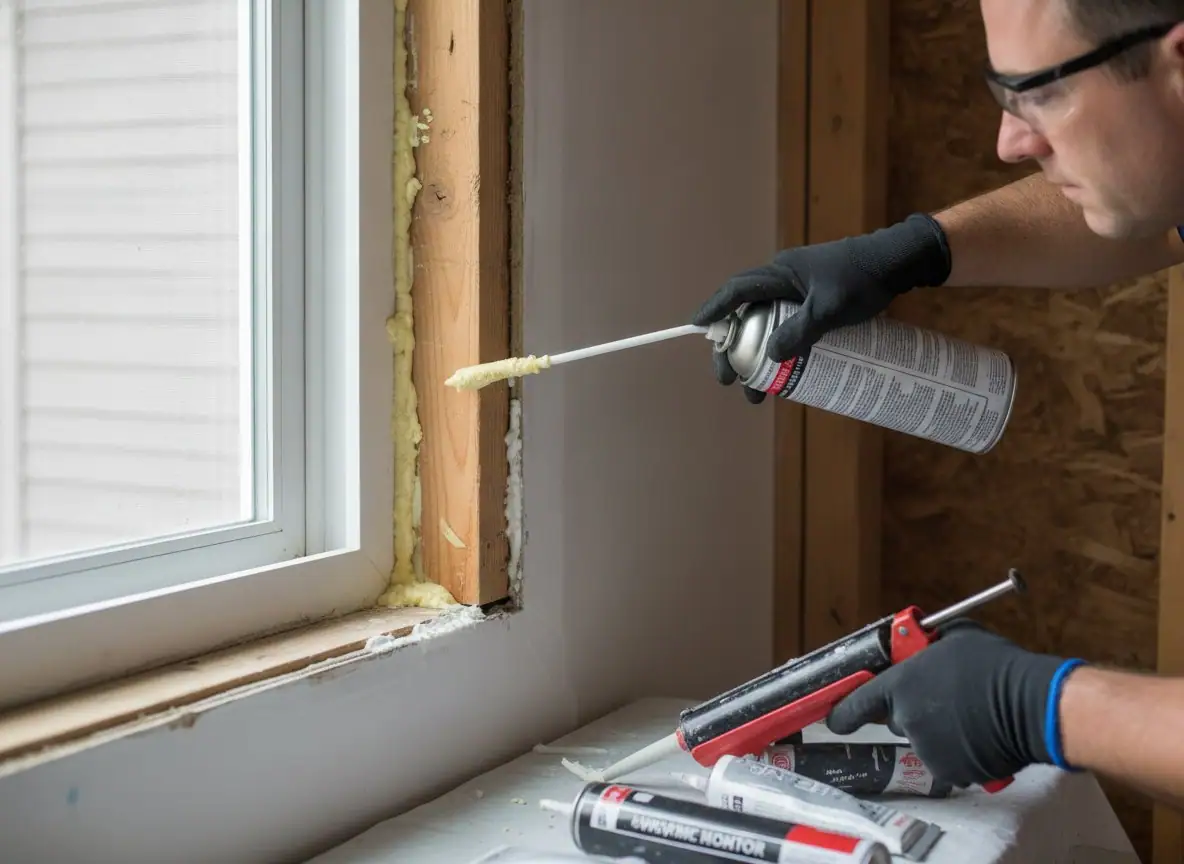
Before new insulation is installed, we seal all ceiling penetrations — recessed lights, plumbing chases, electrical boxes, and HVAC boots — using appropriate foam or caulk products. This step is critical for Signal Hill homes, where the hill’s elevation expose
- 05
Insulation Installation (Half to Full Day)
We install the agreed-upon insulation product — blown-in cellulose, fiberglass batts, or spray foam — to the specified R-value. Depth gauges are installed at multiple attic locations so you can verify coverage independently. attic insulation installation follo
- 06
Final Inspection and Documentation (30–60 Minutes)
Upon completion, we conduct a walkthrough with the homeowner or property manager, provide post-installation photographs, and supply a Certificate of Installation specifying product type, R-value achieved, and square footage covered — documentation accepted by
- 07
Post-Installation Follow-Up (1–2 Weeks Later)
We follow up by phone to confirm your satisfaction and address any questions that arise after the first cooling or heating cycle with your new insulation in place.
Ceiling Insulation Methods and Approaches
Blown-In Fiberglass or Cellulose
Blown-in blow-in insulation is the most common retrofit solution for Signal Hill’s existing attic floor assemblies. Loose-fill cellulose (made from recycled paper with fire-retardant treatment) achieves R-38 at approximately 10–11 inches of depth and is ideal for open attic decks. Blown-in fiberglass achieves the same R-value at around 12–14 inches. Both are well-suited to Signal Hill’s coastal climate because they resist moisture-related performance degradation better than compressed batts.
Fiberglass Batt Insulation
Pre-cut fiberglass batts are appropriate for new construction framing or accessible joist bays during renovation work. Many Signal Hill homes undergoing permitted additions use batt insulation in newly framed ceiling cavities. Standard R-38 batts are approximately 10.25 inches thick and require adequate joist depth to achieve rated performance without compression.
Spray Foam Insulation
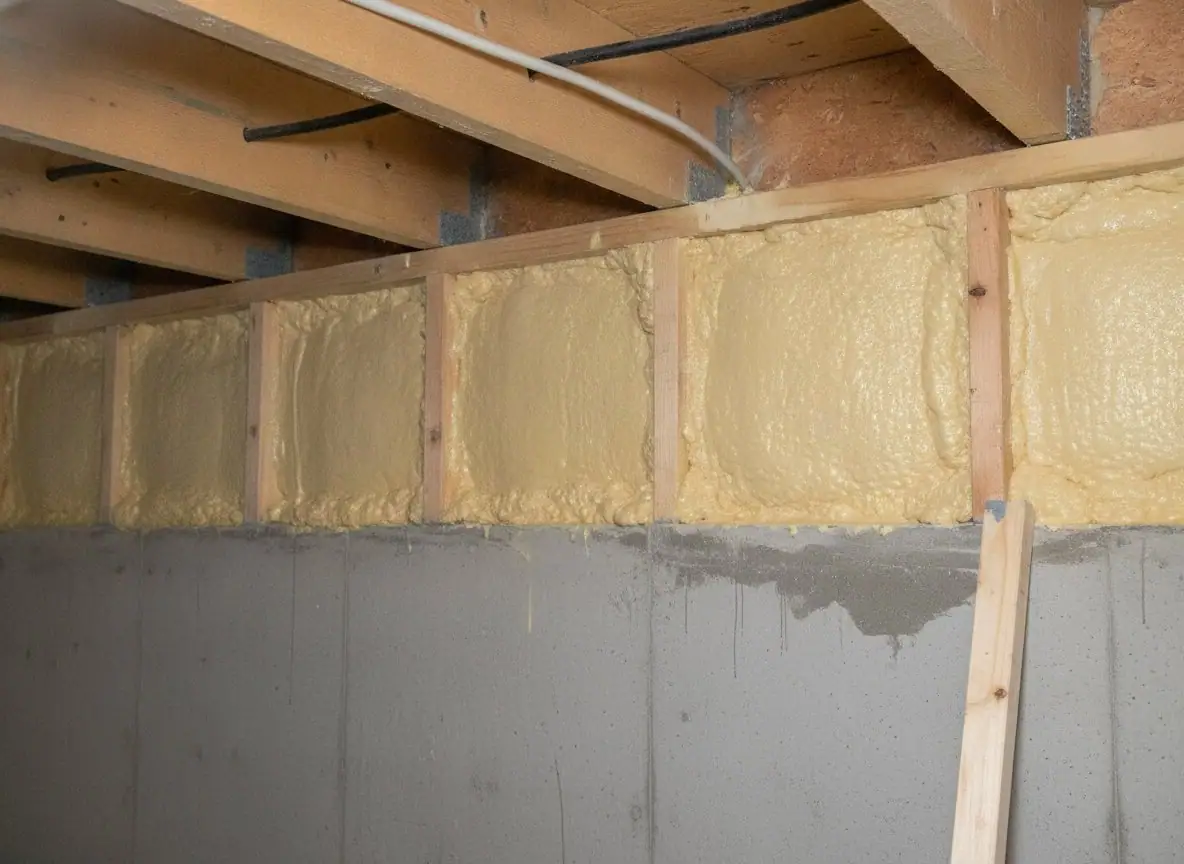
Spray foam insulation — both open-cell and closed-cell polyurethane — is the preferred method for vaulted or cathedral ceilings common in Signal Hill’s hillside architecture, and for roof deck applications where condensation control is critical. Closed-cell spray foam achieves R-6.5 per inch and acts as an air and vapor barrier simultaneously, making it particularly effective in Signal Hill’s occasional high-humidity marine layer conditions.
Rigid Foam Board
Rigid polyisocyanurate or EPS foam board is used in flat roof assemblies and low-slope commercial roofs along Signal Hill’s Cherry Avenue business district. Panels are cut to fit and adhered or mechanically fastened above the roof deck or below ceiling decking in renovation scenarios.
Combination Systems
For Signal Hill homes with complex attic geometries — sloped sections, knee walls, and flat sections within the same structure — we design combination systems pairing spray foam air sealing with blown-in fill to optimize both thermal performance and cost efficiency.
Ceiling Insulation Cost in Signal Hill, CA
Understanding ceiling insulation costs upfront is central to the Clear Price Attic Insulation philosophy. Below are realistic cost ranges for Signal Hill projects based on current material and labor market conditions in Los Angeles County.
Typical Cost Ranges
- Blown-in cellulose or fiberglass (attic floor): $1.50–$2.50 per square foot installed. A typical 1,200 sq ft Signal Hill bungalow attic runs $1,800–$3,000 to bring from existing R-11 to Title 24-compliant R-38.
- Fiberglass batt installation (new construction or open cavities): $1.25–$2.00 per square foot. A 1,500 sq ft ceiling area ranges from $1,875–$3,000.
- Spray foam insulation (open-cell): $1.50–$2.50 per board foot. A vaulted ceiling section of 400 sq ft at 3.5-inch depth (R-13) runs approximately $2,100–$3,500.
- Spray foam insulation (closed-cell): $3.00–$5.00 per board foot. The same 400 sq ft section with 2-inch closed-cell coverage (R-13) runs $2,400–$4,000.
- Insulation removal prior to installation: $1.00–$2.00 per square foot, with Signal Hill’s older homes averaging $1,200–$2,400 for full attic removal.
Read moreShow less
Factors Affecting Your Signal Hill Project Cost
- Attic accessibility — Signal Hill hillside homes sometimes have split-level attic configurations that increase labor time
- Existing insulation condition and whether removal is required
- Presence of HVAC ducts or equipment requiring insulation work around them
- Title 24 documentation requirements for permitted projects
- Square footage and ceiling height complexity
California utility rebates through Southern California Edison’s Energy Savings Assistance Program may offset costs for qualifying income-eligible Signal Hill households. We can help identify available rebate programs during your assessment. Learn more about ceiling insulation costs and what goes into your estimate.
Neighborhoods We Serve in and Around Signal Hill
Signal Hill Hillside Residential Core
The streets closest to Signal Hill’s summit — including California Street, Temple Avenue, and Skyline Drive — contain the oldest and most architecturally diverse housing stock in the city. Homes dating from the 1920s oil boom era present cathedral ceilings, shallow rafter depths, and original plaster-and-lath ceiling assemblies that require specialized removal and installation techniques.
East Willow Street Corridor and Apartment District
The apartment complexes along East Willow Street and 27th Street, largely built between 1960 and 1979, represent some of Signal Hill’s most insulation-deficient multifamily properties. Upper-floor units in these buildings frequently exceed heat comfort thresholds during summer without adequate ceiling insulation above.
Long Beach (Bixby Knolls and North Long Beach)
Immediately adjacent to Signal Hill, Bixby Knolls contains a high concentration of 1940s and 1950s ranch-style homes with original minimal insulation. We serve this community with the same Signal Hill-specific expertise.
Carson and Compton
Inland communities like Carson and Compton experience more pronounced summer heat than coastal Signal Hill, making ceiling insulation upgrades even more impactful for energy savings. We serve these areas with attic insulation and blown-in insulation services. We also serve Wilmington, Harbor City, Bellflower, Artesia, Cerritos, East Compton, Hawaiian Gardens, Lakewood, Lynwood, Norwalk, Paramount, South Gate, West Carson, Los Alamitos, Rossmoor, and Seal Beach.
Ceiling Insulation Maintenance Tips for Signal Hill Homeowners
- Inspect attic insulation depth annually. Use a ruler or depth gauge through your attic hatch each fall. Signal Hill’s diurnal temperature swings can settle blown-in insulation faster than in more stable climates — look for areas where depth has dropped below 10 inches.
- Check for moisture after rainfall events. Signal Hill’s elevated position makes it susceptible to roof penetration during the infrequent but intense rain events of Southern California winters. Water-damaged insulation loses R-value and must be replaced.
- Maintain attic ventilation. Blocked soffit or ridge vents cause heat and moisture buildup that degrades insulation performance. Ensure vents are unobstructed, especially after any landscaping work near the roofline.
- Seal any new ceiling penetrations promptly. Recessed lighting additions, new HVAC registers, or plumbing penetrations create air leakage paths. Seal these with appropriate foam products within 30 days of installation.
- Keep attic access hatches weather-stripped and insulated. An uninsulated attic hatch is equivalent to leaving a hole in your ceiling — a common oversight in Signal Hill’s older homes.
- Monitor for pest activity. Rodents active in Signal Hill’s hillside properties can nest in and displace blown-in insulation. Address pest infestations before they compromise your insulation system.
- Schedule a professional inspection every 7–10 years. Insulation systems lose performance over time; periodic professional evaluation keeps your home performing at its best.
Why Choose Clear Price Attic Insulation for Signal Hill Ceiling Insulation
Clear Price Attic Insulation was built around a simple idea: homeowners and property managers deserve honest, itemized pricing before any work begins — with no surprise charges at project completion. We bring that philosophy to every ceiling insulation project in Signal Hill and across the greater Long Beach and South Bay region.
Our technicians are specifically trained on the construction characteristics of Signal Hill’s diverse building stock — from 1920s oil-boom bungalows with shallow rafter cavities to modern condominium towers along the Cherry Avenue corridor. We understand Climate Zone 8 requirements under California’s Title 24 code and provide compliance documentation for permitted projects through Los Angeles County Building and Safety.
Read moreShow less
We offer a full range of services beyond ceiling insulation: spray foam insulation, attic insulation, blown-in insulation, insulation removal and replacement, crawl space insulation, and crawl space encapsulation. This comprehensive capability means we can address your entire building envelope in a single, coordinated project.
We serve Signal Hill residents and property owners with the same care we’d want for our own homes. Call us at (562) 784-7649 and experience the Clear Price difference.
FAQ
Frequently Asked Questions About Ceiling Insulation in Signal Hill, CA
How much does ceiling insulation cost in Signal Hill, CA?
Most Signal Hill ceiling insulation projects fall between $1,800 and $4,500 for a typical single-family home, depending on square footage, material choice, and whether existing insulation removal is required. Blown-in cellulose or fiberglass is the most cost-effective option for open attic floors, running $1.50–$2.50 per square foot installed. Spray foam applications for vaulted or cathedral ceilings cost more — typically $3.00–$5.00 per board foot for closed-cell foam. We provide a free, itemized written estimate before any work begins.
What R-value do I need for ceiling insulation in Signal Hill?
Signal Hill falls within California Energy Commission Climate Zone 8, which requires a minimum of R-38 for attic ceiling assemblies under Title 24. This typically corresponds to approximately 10–11 inches of blown-in cellulose or 12–14 inches of blown-in fiberglass. Homes built before 1978 commonly have R-11 to R-19 insulation — or none at all — and should be upgraded to current standards.
How long does a ceiling insulation installation take in Signal Hill?
Most single-family Signal Hill ceiling insulation projects are completed in one day. This includes any required removal of old material, air sealing of penetrations, and installation of new blown-in or batt insulation. More complex projects — such as spray foam applications for vaulted ceilings or large multi-family properties — may require two to three days. We provide a project timeline in your written estimate.
Do I need a permit for ceiling insulation in Signal Hill?
Insulation installation in an existing attic without other associated work typically does not require a permit in Signal Hill / Los Angeles County jurisdiction. However, if the insulation project is triggered by a permitted remodel, HVAC replacement, or room addition, Title 24 compliance documentation is required and we will provide the necessary Certificate of Installation. We recommend verifying permit requirements with Los Angeles County Building and Safety for your specific project scope.
Can ceiling insulation help with the noise from Signal Hill traffic?
Yes. Dense-pack blown-in cellulose and open-cell spray foam both provide meaningful acoustic attenuation in addition to thermal resistance. Signal Hill properties near the 405/710 freeway interchange or along Cherry Avenue and East Spring Street commercial corridors benefit noticeably from improved ceiling insulation — with sound transmission class (STC) improvements of 3–8 points depending on the assembly.
Is my old insulation in my Signal Hill home hazardous?
Homes built before 1980 in Signal Hill may contain vermiculite attic insulation, which has a well-documented association with asbestos contamination from the Libby, Montana mine source. Additionally, some older fiberglass batts may have degraded significantly. We inspect for potential hazardous materials during our free assessment and, if vermiculite is present, recommend professional asbestos testing before any disturbance. We do not disturb potentially asbestos-containing material without proper abatement protocols in place.
How much can I save on energy bills after ceiling insulation in Signal Hill?
Signal Hill homeowners upgrading from R-11 to R-38 ceiling insulation typically report 15–25% reductions in annual heating and cooling costs based on Southern California Edison efficiency program data. Given Signal Hill’s 25–30°F daily temperature swings and year-round cooling demands, payback periods for blown-in insulation projects commonly run 3–6 years. Spray foam projects with higher upfront costs may have 6–10 year payback periods but deliver additional air sealing and moisture control benefits.
Do you offer insulation services for Signal Hill apartment buildings and multi-family properties?
Absolutely. We work with property owners and managers across Signal Hill’s apartment corridors — particularly along East Willow Street, West 27th Street, and Cherry Avenue — to upgrade ceiling insulation in multi-unit buildings. We schedule work to minimize tenant disruption and provide documentation suitable for Los Angeles County habitability compliance purposes. Contact us at (562) 784-7649 to discuss your multi-family property needs.
Get a Free Ceiling Insulation Estimate in Signal Hill Today
If your Signal Hill home or commercial property is losing comfort and efficiency through an under-insulated ceiling, Clear Price Attic Insulation is ready to help. We offer free, no-obligation on-site assessments with transparent, line-item written estimates — delivered within 24–48 hours of your appointment. No pressure. No hidden fees. Just honest pricing and professional results tailored to Signal Hill’s unique climate, construction history, and Title 24 requirements.
Call us now at (562) 784-7649 to schedule your free assessment. We serve Signal Hill and all surrounding communities including Long Beach, Carson, Lakewood, Compton, Norwalk, Seal Beach, and more. Let Clear Price Attic Insulation make your Signal Hill home more comfortable, energy-efficient, and code-compliant — starting today.
Get in touch
Find insulation help near you
Request a free estimate online or give us a call — our team will follow up quickly.
- Call us(562) 784-7649
- Visit1653 E 28th St #6, Signal Hill, CA 90755
- HoursMon-Sun 07:00-19:00