
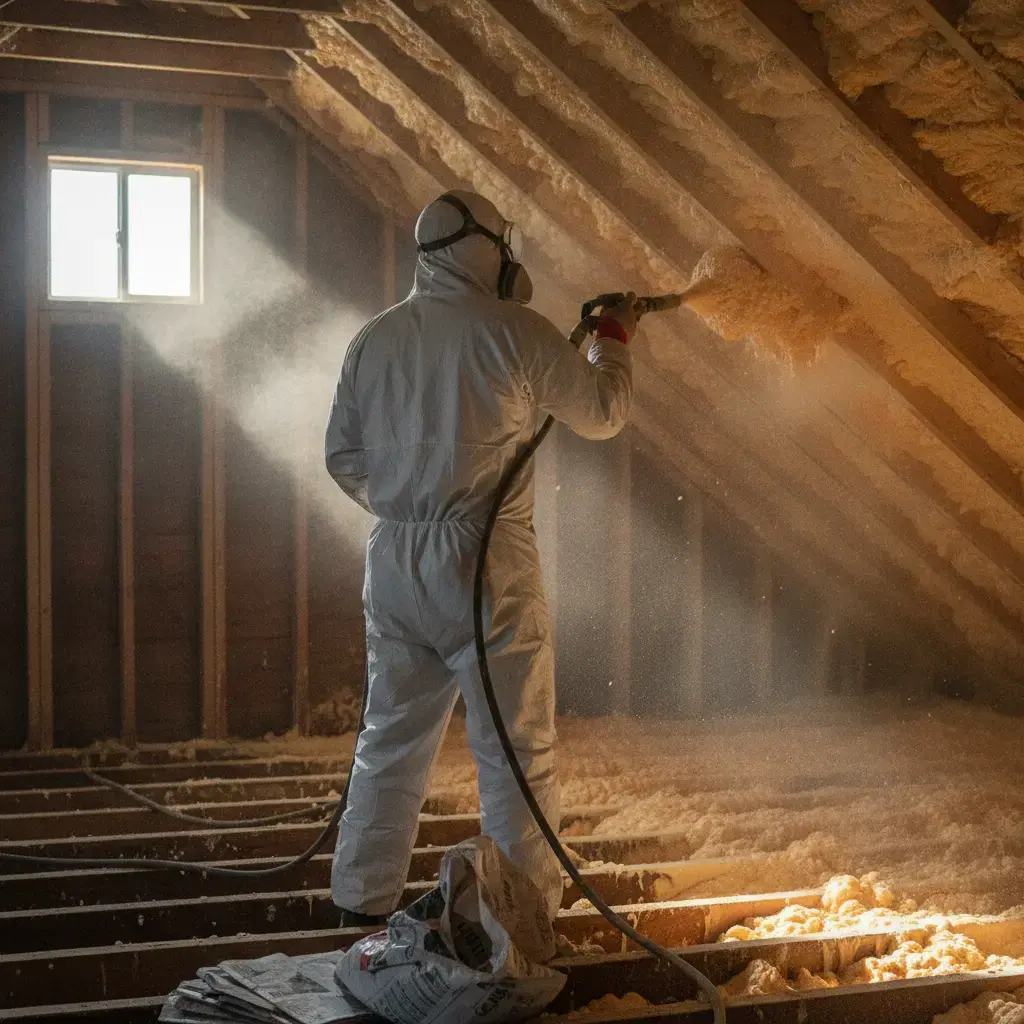
Commercial Insulation in Signal Hill, CA
Trusted Commercial Commercial Insulation for Signal Hill, CA Businesses
Need commercial insulation in Signal Hill, CA? Clear Price Attic Insulation offers spray foam, blow-in & crawl space services. Call (562) 784-7649 for a free quote.
Commercial insulation is the process of installing high-performance thermal and acoustic barrier materials throughout business facilities — including walls, ceilings, rooftops, and mechanical spaces — to regulate interior temperature, reduce energy consumption, and maintain occupant comfort year-round. For Signal Hill businesses, this is not a luxury; it is a fundamental operating requirement given the city’s unique coastal-inland thermal transition zone, where marine layer mornings can give way to afternoon temperatures exceeding 90°F in summer months.
Clear Price Attic Insulation specializes in delivering professional commercial insulation solutions tailored specifically to Signal Hill’s commercial corridors, light-industrial districts, and mixed-use developments. Our team understands the structural demands of Signal Hill’s hillside commercial buildings, the ventilation challenges of its tightly packed business parks along Cherry Avenue, and the energy codes governing Los Angeles County commercial properties. Whether you manage a warehouse off Temple Avenue or a retail center near the Signal Hill Town Center, we bring the right materials, methods, and local knowledge to get the job done right.
Call us today at (562) 784-7649 for a transparent, no-obligation quote.
Understanding Commercial Insulation in Signal Hill, CA
Commercial insulation encompasses a broad category of building envelope solutions designed to control the movement of heat, sound, and moisture through the structural components of non-residential buildings. Unlike residential insulation, commercial applications must account for larger square footages, higher occupancy loads, complex HVAC systems, code-compliant fire ratings, and the continuous operational demands of businesses that often run equipment 24 hours a day.
The history of commercial insulation in Southern California’s industrial corridor dates back to the post-World War II manufacturing boom of the late 1940s and 1950s, when cities like Signal Hill began converting oil field operations into light-industrial and commercial zones. Early commercial structures in Signal Hill were built with minimal insulation standards — often just fiberglass batts that degraded quickly in the presence of oil-field particulate matter and coastal humidity. By the 1970s, California’s energy crisis prompted the first Title 24 Building Energy Efficiency Standards, and commercial buildings were required to meet minimum R-value thresholds for the first time.
Read moreShow less
Today, Signal Hill’s commercial building stock represents a fascinating cross-section of eras: pre-1970s warehouse shells along Willow Street, 1980s and 1990s office parks on Cherry Avenue, and modern mixed-use developments near the E. Spring Street corridor. Each era presents different insulation challenges and opportunities. Pre-1970s structures frequently have little to no wall insulation and aging attic insulation that has settled or become contaminated. Mid-century commercial buildings may contain materials like vermiculite or degraded fiberglass requiring professional removal before new insulation can be installed.
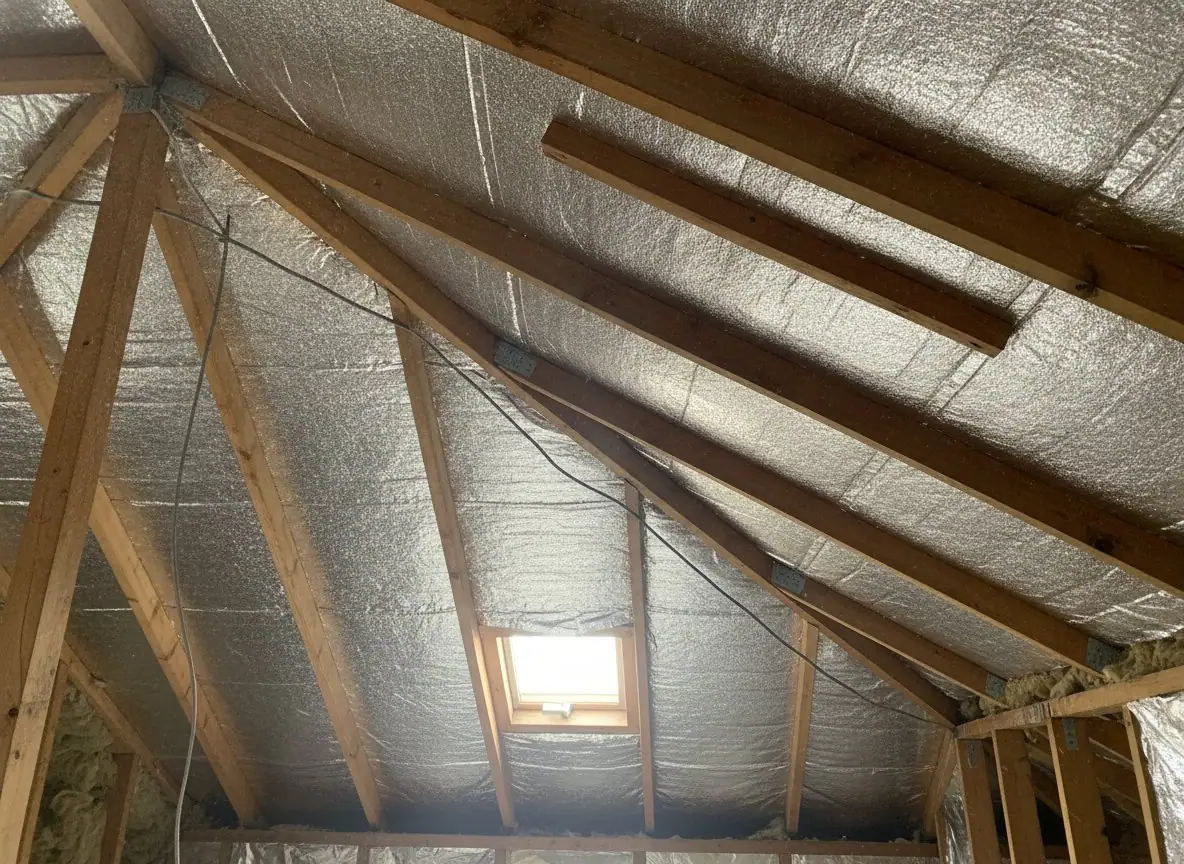
Modern commercial insulation materials include open-cell and closed-cell spray polyurethane foam (SPF), blown-in mineral wool, rigid foam boards, and reflective radiant barrier systems. Each material serves a specific purpose depending on the building type, climate exposure, and budget. In Signal Hill’s coastal-adjacent climate, vapor management is particularly important — the marine layer that rolls in from the Pacific through Long Beach Harbor creates cyclical humidity swings that can compromise improperly selected insulation materials over time.
Understanding R-value — the measure of thermal resistance — is essential for Signal Hill business owners. California’s Title 24 Energy Code currently requires commercial roofs in Climate Zone 8 (which includes Signal Hill) to achieve a minimum insulation R-value of R-19 to R-25 depending on construction type. Many older Signal Hill commercial buildings fall significantly below this benchmark, resulting in avoidable energy waste. Learn more about attic insulation solutions for commercial properties
Why Commercial Insulation Is Needed in Signal Hill, CA
The Coastal-Inland Thermal Swing
Signal Hill’s position places it in a thermal transition corridor between the Pacific Ocean to the west and the warmer inland valleys to the east. The National Weather Service’s Long Beach/Signal Hill monitoring data shows average summer diurnal temperature swings of 25°F to 35°F — meaning a building exterior may experience 65°F at 7 a.m. and 95°F by 2 p.m. in July and August. For uninsulated or under-insulated commercial rooftops, this cycling creates thermal stress on roofing membranes and forces HVAC systems to work exponentially harder during peak afternoon hours. Commercial buildings along the Cherry Avenue business corridor are especially exposed to this western sun exposure due to the street’s north-south orientation.
The Marine Layer Effect
Signal Hill’s elevation means it frequently sits at the upper boundary of the marine layer — the coastal fog and low cloud system that flows inland from Long Beach Harbor and the Port of Long Beach. The marine layer, which typically measures 500 to 1,500 feet in thickness, deposits consistent ambient moisture on rooftop surfaces and exterior walls from approximately June through September each year. This phenomenon, known locally as “June Gloom” (though it extends well into August), creates relative humidity levels that regularly reach 85–95% in early morning hours at commercial rooftop level on Signal Hill. Without proper vapor barriers integrated into commercial insulation systems, this cycling moisture can infiltrate building envelopes, causing mold growth, insulation compression, and structural wood rot in older warehouse framing.
Oil Field Legacy Contamination
Signal Hill’s commercial properties sit atop one of California’s most historically significant oil fields — the Signal Hill Oil Field, which peaked production in the 1920s and remained active through the late 20th century. Soil vapor intrusion from residual petroleum hydrocarbon contamination is a documented concern throughout Signal Hill’s commercial zones, particularly in the areas between E. 28th Street and Temple Avenue. Commercial crawl spaces and ground-level concrete slabs in these zones can accumulate volatile organic compounds (VOCs) that migrate upward through unprotected concrete. Crawl space encapsulation and proper vapor barrier installation beneath commercial slab edges are critical in these zones — not just for energy efficiency, but for indoor air quality compliance under California’s strict workplace safety regulations.
Energy Cost Pressures
Southern California Edison (SCE) serves Signal Hill’s commercial customers, and commercial electricity rates in SCE’s service territory have increased an average of 6.2% annually over the past five years, reaching demand charges that can add $15 to $25 per kilowatt to monthly commercial utility bills. Poorly insulated commercial buildings in Signal Hill can waste 30–40% of conditioned air, translating to thousands of dollars annually in preventable energy costs for mid-sized businesses. The California Energy Commission estimates that upgrading commercial insulation to current Title 24 standards can reduce cooling and heating loads by 20–35% in Climate Zone 8 structures, delivering measurable ROI within 3–7 years depending on building size and prior insulation condition.
Learn moreRecent Code Enforcement Focus
Signal Hill’s Building & Safety Division has increased commercial property inspections following the city’s adoption of the 2022 California Energy Code, which took effect January 1, 2023. Business owners undertaking tenant improvements, roof replacements, or HVAC upgrades are now routinely required to bring insulation systems into current Title 24 compliance as a condition of permit issuance. Proactive commercial insulation upgrades help Signal Hill business owners avoid costly stop-work orders and inspection delays.
Free, no-obligation estimates
Talk to Clear Price Attic Insulation
Tell us what you need and we’ll take it from there.
Signs Your Signal Hill Commercial Property Needs Insulation Service
Energy and Utility Indicators
- Monthly SCE electricity bills that spike more than 40% between winter and summer months, suggesting HVAC systems are compensating for thermal loss
- HVAC systems running continuously during Signal Hill’s afternoon heat peaks (2–5 p.m.) without maintaining setpoint temperatures
- Demand charge spikes on SCE commercial bills during July and August
Physical and Structural Symptoms
- Visible gaps, compression, or discoloration in existing batt insulation visible through open ceiling plenums or during attic inspections
- Moisture staining on interior ceiling tiles or wall surfaces — a particular concern in Signal Hill buildings with flat roofs that collect marine layer condensation
- Ice-cold exterior walls in winter or walls that feel warm to the touch in summer, indicating thermal bridging through under-insulated wall cavities
- Musty or petroleum-like odors in ground-floor commercial spaces, which may indicate vapor intrusion through unprotected crawl space or slab edges
Acoustic and Comfort Indicators
- Excessive noise transmission from exterior traffic on Cherry Avenue or Spring Street into office or retail spaces
- Uneven temperature distribution — hot zones near roof-level workspaces and cold zones at floor level — indicating inadequate attic or ceiling insulation
Urgency Indicators
If your commercial building is scheduled for a roof replacement, HVAC upgrade, or any permitted tenant improvement, address insulation simultaneously to avoid double mobilization costs and ensure current Title 24 compliance from the outset.
Commercial Insulation Methods We Use in Signal Hill
Spray Foam Insulation (Open-Cell and Closed-Cell)
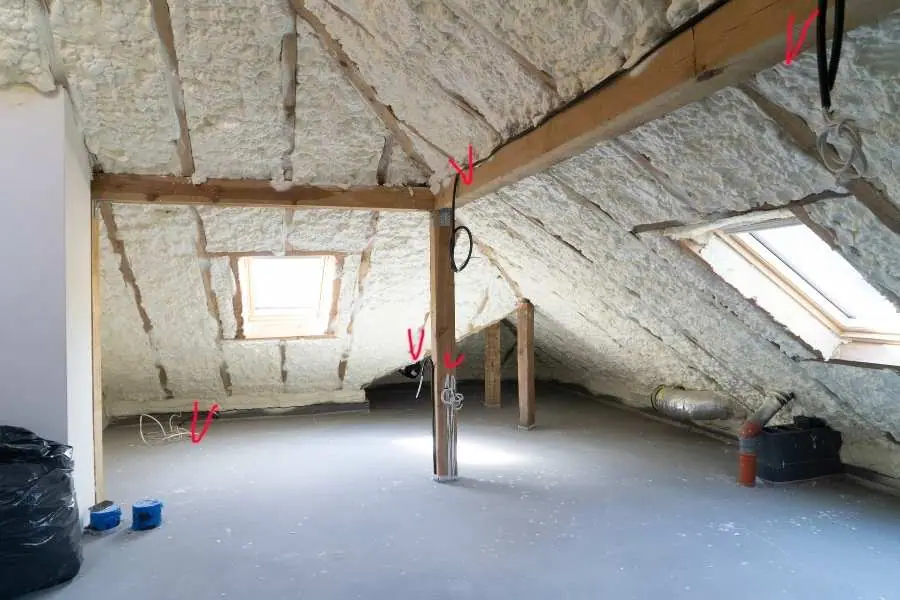
Spray polyurethane foam is the premier choice for Signal Hill commercial buildings requiring both thermal performance and moisture vapor control. Closed-cell spray foam achieves R-6 to R-7 per inch and creates a Class II vapor retarder — ideal for Signal Hill rooftop applications where marine layer moisture is a recurring concern. Open-cell spray foam at R-3.7 per inch is preferred for interior wall cavities and sound attenuation in office environments. Explore our spray foam insulation services
Blow-In Insulation
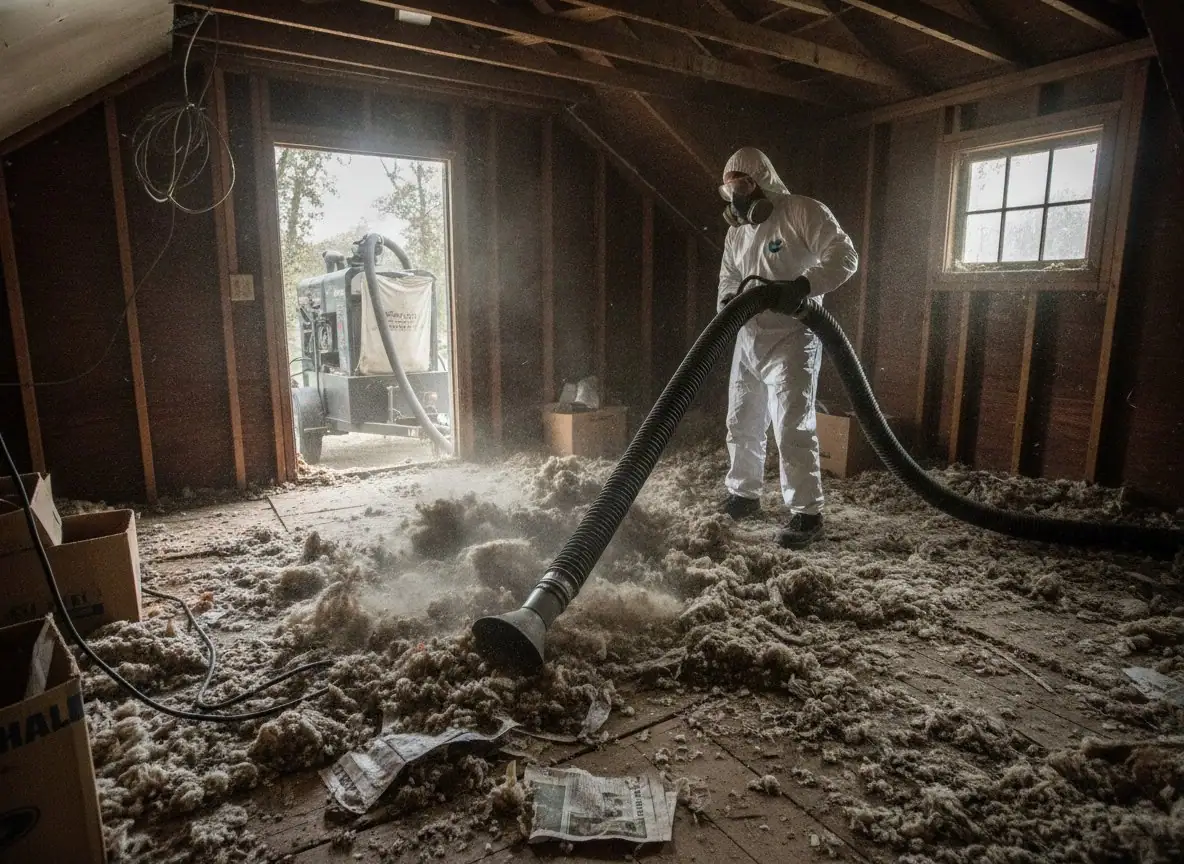
Blown-in cellulose or mineral wool insulation is highly effective for retrofitting existing commercial attic spaces and ceiling plenums without requiring demolition of finished ceilings. This method is particularly well-suited to Signal Hill’s mid-century commercial warehouse stock, where accessible attic cavities can be quickly filled to achieve current Title 24 R-value requirements. Blow-in insulation can be installed at depths achieving R-38 or greater in a single mobilization. Learn about blow-in insulation for commercial buildings
Rigid Foam Board Insulation
Polyisocyanurate (polyiso) and extruded polystyrene (XPS) rigid boards are the standard for commercial low-slope rooftop insulation systems in Signal Hill. Polyiso achieves R-6 per inch and is compatible with all major commercial roofing membranes. This method is recommended during any scheduled roof replacement on Signal Hill’s flat-roof commercial buildings.
Crawl Space Encapsulation
For Signal Hill commercial properties with crawl spaces or ground-level voids near historically active oil field zones, full crawl space encapsulation with a 20-mil reinforced vapor barrier is critical for VOC containment and moisture management. This method seals the ground surface and all wall penetrations to prevent vapor intrusion into occupied commercial spaces. Discover our crawl space encapsulation solutions
Attic Insulation for Commercial Structures
Many of Signal Hill’s smaller commercial and mixed-use buildings feature accessible attic spaces above retail or office suites. Installing or upgrading attic insulation in these spaces to R-30 or R-38 delivers immediate HVAC load reduction and is one of the highest-ROI commercial insulation investments available. View our attic insulation services
Commercial Insulation Cost in Signal Hill, CA
Commercial insulation costs in Signal Hill vary based on building size, existing conditions, insulation type, and accessibility. Below are general price ranges to help Signal Hill business owners and property managers budget appropriately. Clear Price Attic Insulation provides fully itemized written quotes so you know exactly what you are paying for before work begins.
Typical Cost Ranges for Signal Hill Commercial Properties
- Blow-In Attic Insulation (Commercial): $1.50–$3.50 per square foot installed, depending on target R-value and accessibility. A 5,000 sq. ft. commercial attic space typically runs $7,500–$17,500.
- Closed-Cell Spray Foam Insulation: $2.00–$4.50 per board foot installed. A 3-inch application on a 10,000 sq. ft. commercial roof deck typically ranges from $60,000–$135,000, though smaller targeted applications (wall cavities, rim joists) run $3,000–$15,000.
- Rigid Foam Board (Rooftop): $1.80–$3.20 per square foot installed, typically completed in conjunction with roofing contractor during scheduled re-roofing projects.
- Crawl Space Encapsulation: $5,000–$15,000 for most Signal Hill commercial crawl space footprints, depending on linear footage of vapor barrier, depth, and required drainage board installation.
- Insulation Removal and Replacement: Add $1.00–$2.00 per square foot for professional removal of existing degraded insulation prior to new installation.
Read moreShow less
Signal Hill-Specific Cost Factors
Los Angeles County prevailing wage requirements may apply to insulation work on publicly funded or assisted commercial developments in Signal Hill. Additionally, Signal Hill building permit fees for commercial insulation projects typically range from $250 to $800 depending on project valuation. Southern California Edison offers commercial energy efficiency rebates of $0.05–$0.15 per kWh saved annually through the SCE Business Energy Efficiency program, which can offset a meaningful portion of project costs for qualifying Signal Hill commercial customers.
Signal Hill Neighborhoods and Commercial Areas We Serve
Cherry Avenue Commercial Corridor
The primary commercial spine of Signal Hill, Cherry Avenue hosts a mix of auto dealerships, retail centers, and service businesses housed in buildings ranging from 1960s-era single-story commercial strips to 2000s-era purpose-built retail. These buildings commonly have aging fiberglass batt insulation that has settled or been disrupted by repeated HVAC upgrades, creating significant thermal bypass issues along the roof line.
Temple Avenue Light-Industrial District
The Temple Avenue corridor and surrounding blocks represent Signal Hill’s light-industrial zone, with warehouse and flex-industrial buildings ranging from 10,000 to 80,000 square feet. Many structures in this zone date from the 1970s and 1980s and were built to minimal insulation standards. The proximity to active and legacy oil operations in this area also makes crawl space vapor management a priority consideration.
Signal Hill Town Center and Spring Street Mixed-Use Zone
The Signal Hill Town Center at E. Spring Street and Cherry Avenue anchors a growing mixed-use commercial zone with post-2000 construction that nominally meets earlier Title 24 standards but may require upgrades to meet current 2022 code requirements during tenant improvement projects. Restaurant and food service tenants in this area particularly benefit from enhanced roof insulation given their high internal heat loads from commercial kitchen equipment.
Hillside Summit Commercial Properties
Commercial and light-industrial properties on Signal Hill’s upper elevations (above 300 feet) face the most intense wind exposure and thermal cycling of any business location in the city, making high-performance closed-cell spray foam insulation the preferred solution for roof deck and wall cavity applications in these locations.
Commercial Insulation Maintenance Tips for Signal Hill Business Owners
- Annual Attic and Plenum Inspections: Schedule a professional inspection of your commercial attic or ceiling plenum every 12 months, ideally in October before Signal Hill’s rainy season. Look for moisture staining, insulation compression, or pest intrusion from ground squirrels that are active in Signal Hill’s hillside terrain.
- Check for Marine Layer Moisture Damage After Summer: September is the ideal month to inspect rooftop insulation systems after Signal Hill’s June-through-August marine layer season. Early detection of moisture infiltration prevents larger remediation costs.
- Maintain HVAC Filter and Ductwork Seals: In commercial buildings, leaking HVAC ducts routed through unconditioned attic spaces can negate the performance of even well-installed insulation. Inspect duct connections and seals annually.
- Inspect Crawl Space Vapor Barriers After Heavy Rain Events: After significant rainfall events (Signal Hill averages 13 inches annually, concentrated in December through March), inspect crawl space vapor barriers for pooling water or barrier displacement.
- Monitor Utility Bills for Trend Anomalies: A sudden 15% or greater increase in SCE electricity costs during a mild-weather month is a reliable early indicator of insulation performance degradation.
- Seal New Penetrations Immediately: Any time an electrician, plumber, or HVAC technician creates new ceiling or wall penetrations, have them sealed with appropriate spray foam before inspection completion to prevent thermal and moisture bypass.
- Document R-Values for Permit Readiness: Keep your insulation documentation on file. Signal Hill’s Building & Safety Division may request proof of existing insulation R-values during permit review for tenant improvements.
Why Choose Clear Price Attic Insulation for Commercial Insulation in Signal Hill
Clear Price Attic Insulation has built its reputation in Signal Hill and the surrounding South Bay and Long Beach communities on one foundational principle: complete pricing transparency. We believe Signal Hill business owners and commercial property managers deserve to know exactly what they are paying for before a single crew member sets foot on their property. Every quote we deliver is fully itemized with material specifications, R-values, square footage calculations, and labor costs broken out line by line. No vague estimates. No surprise upcharges.
Our crews are deeply familiar with Signal Hill’s specific commercial building challenges — from the petroleum vapor intrusion risks in the Temple Avenue industrial zone to the marine layer moisture management requirements for hillside rooftop applications. We have serviced commercial properties throughout Signal Hill’s Cherry Avenue corridor, Spring Street mixed-use zone, and surrounding communities including Long Beach, Lakewood, Carson, and Compton.
Read moreShow less
We stay current with California Title 24 Energy Code requirements for Climate Zone 8 and coordinate directly with Signal Hill’s Building & Safety Division to manage permits on your behalf. When you call Clear Price Attic Insulation at (562) 784-7649, you get a local team that treats your commercial property with the same care and attention to detail we would give our own business. Contact us to schedule your commercial insulation assessment
FAQ
Frequently Asked Questions: Commercial Insulation in Signal Hill, CA
How much does commercial insulation cost in Signal Hill, CA?
Commercial insulation costs in Signal Hill typically range from $1.50 to $4.50 per square foot depending on the insulation type, building configuration, and project scope. A small 3,000 sq. ft. commercial attic blow-in project might run $4,500–$10,500, while a full closed-cell spray foam application on a larger warehouse roof deck can reach $60,000 or more. Clear Price Attic Insulation provides fully itemized written quotes after every site visit so there are no surprises. Call (562) 784-7649 to schedule your free commercial assessment.
Does Signal Hill require a permit for commercial insulation work?
In many cases, yes. Signal Hill’s Building & Safety Division typically requires building permits for commercial insulation work that involves structural access, rooftop applications, or projects valued above a certain threshold. Permit requirements also arise when insulation work is part of a larger tenant improvement project. Clear Price Attic Insulation manages permit applications on behalf of our Signal Hill commercial clients and coordinates all required inspections.
How long does a commercial insulation project take in Signal Hill?
Project timelines vary by scope. A standard commercial attic blow-in insulation project on a 5,000–10,000 sq. ft. Signal Hill building typically takes 1–2 days of installation after permit approval. Spray foam applications and full insulation replacement projects may require 2–4 days. We offer after-hours and weekend scheduling to minimize disruption to Signal Hill businesses in active commercial operation.
Can commercial insulation help with noise from Cherry Avenue traffic?
Yes. Open-cell spray foam and blown-in mineral wool are particularly effective at reducing airborne sound transmission through commercial building envelopes. For Signal Hill businesses along Cherry Avenue or Spring Street, upgraded wall cavity and ceiling insulation can meaningfully reduce traffic noise intrusion, improving employee productivity and customer experience. Acoustic performance is an added benefit alongside the thermal efficiency improvements.
What insulation R-value does Signal Hill require for commercial buildings?
Signal Hill falls within California Climate Zone 8 under the 2022 Title 24 Energy Code. Current requirements for commercial buildings in Climate Zone 8 specify minimum roof insulation of R-19 continuous for metal buildings and R-25 for low-rise commercial construction. Wall insulation requirements vary by building type and assembly. Our team verifies current applicable requirements for every Signal Hill commercial project as part of our assessment process.
Is crawl space encapsulation necessary for Signal Hill commercial buildings near the oil fields?
For commercial properties in the Temple Avenue and E. 28th Street area of Signal Hill — where legacy Signal Hill Oil Field contamination is documented — crawl space encapsulation is strongly recommended. Beyond energy benefits, encapsulation with a reinforced vapor barrier helps prevent soil vapor intrusion of volatile organic compounds (VOCs) into occupied commercial spaces, supporting compliance with California OSHA indoor air quality standards. Learn more about crawl space encapsulation
Does Clear Price Attic Insulation serve commercial properties outside of Signal Hill?
Yes. While we specialize in Signal Hill commercial insulation, we serve commercial properties throughout the greater Long Beach and South Bay region, including Wilmington, Harbor City, Long Beach, Bellflower, Artesia, Carson, Cerritos, Compton, Lakewood, Lynwood, Norwalk, Paramount, South Gate, West Carson, Los Alamitos, Rossmoor, and Seal Beach.
How soon can I see energy savings after commercial insulation installation?
Signal Hill commercial property owners typically see measurable reductions in SCE electricity bills within the first full billing cycle following insulation installation, particularly for projects completed before Signal Hill’s peak cooling season (July–September). Buildings that were significantly under-insulated relative to Title 24 standards may see 20–35% reductions in cooling energy use, consistent with California Energy Commission data for Climate Zone 8 commercial retrofits.
Get a Clear Price Quote for Commercial Insulation in Signal Hill Today
Your Signal Hill commercial property deserves insulation that performs — protecting your business from the city’s demanding thermal cycles, marine layer moisture, and rising energy costs while keeping you fully compliant with California’s 2022 Title 24 Energy Code. Clear Price Attic Insulation is ready to provide a thorough on-site assessment and a fully transparent, itemized quote with no pressure and no surprises.
Whether you manage a warehouse on Temple Avenue, a retail center on Cherry Avenue, or a mixed-use property near Signal Hill Town Center, our team has the local expertise and the right insulation solutions to make a measurable difference in your operating costs and occupant comfort.
Read moreShow less
Call us now at (562) 784-7649 to schedule your free commercial insulation assessment in Signal Hill, CA. We serve Signal Hill and surrounding communities throughout the Long Beach, South Bay, and Southeast Los Angeles region. Request your free commercial insulation quote online
Get in touch
Find insulation help near you
Request a free estimate online or give us a call — our team will follow up quickly.
- Call us(562) 784-7649
- Visit1653 E 28th St #6, Signal Hill, CA 90755
- HoursMon-Sun 07:00-19:00