
Insulation removal is the professional process of safely extracting old, damaged, contaminated, or inefficient insulation materials from your attic, crawl space, or walls — restoring your home’s thermal performance and indoor air quality. In Signal Hill, CA, this service is especially critical given the city’s unique coastal climate, aging housing stock, and history of urban development on petroleum-rich terrain.
At Clear Price Attic Insulation, we specialize in full-service insulation removal for Signal Hill homeowners and property managers. Our trained technicians use commercial-grade vacuum systems, protective containment protocols, and EPA-compliant disposal procedures to completely clear your insulation space safely and efficiently. Whether your insulation has been compromised by rodents, moisture intrusion from coastal marine layer exposure, fire damage, or simple age-related deterioration, our team delivers transparent pricing and professional results you can count on.
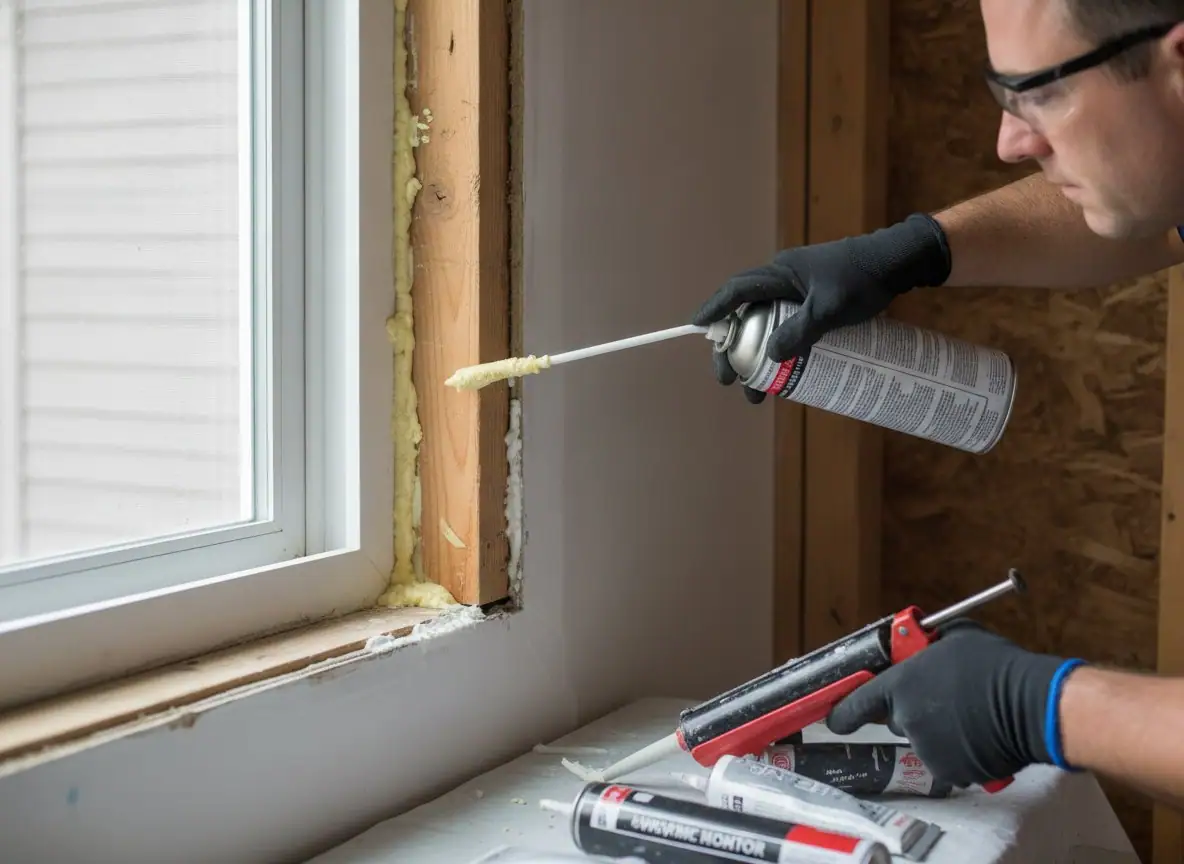
Understanding Insulation Removal in Signal Hill
Insulation removal refers to the complete extraction of existing insulation materials — including blown-in cellulose, fiberglass batts, spray foam, or rockwool — from an enclosed building space. This process is distinct from simply adding new insulation on top of old material. Proper removal ensures that underlying structures are inspected, cleaned, and prepared to accept fresh, high-performance insulation that meets current building codes and energy standards.
Historically, residential insulation in California gained widespread adoption during the post-World War II housing boom of the 1940s and 1950s. Signal Hill, which was incorporated as an independent city in 1924 largely to prevent Long Beach from annexing its lucrative oil fields, contains a substantial number of homes built between the 1930s and 1970s. Many of these structures were insulated with materials that are now known to degrade, harbor contaminants, or simply fail to meet modern R-value requirements.
Read moreShow less
Blown-in cellulose and early fiberglass batting were popular choices during those decades but can compact and lose up to 40% of their insulating value over a 20–30 year period. Some older Signal Hill properties still contain vermiculite insulation, a material that was widely used before the 1980s and may contain traces of asbestos — requiring specialized removal protocols.
Signal Hill’s building diversity adds another layer of complexity. The city includes bungalows from the 1920s oil-boom era, mid-century ranch-style homes, and modern multi-family developments. Each building type presents unique attic geometries, insulation depths, and access challenges. Pier-and-beam foundations common in older Signal Hill homes also mean crawl space insulation removal is frequently part of the scope of work.
Understanding what type of insulation is in your home and its current condition is the essential first step. Learn more about our attic insulation services to understand what replacement options are available once removal is complete.
Why Insulation Removal Is Needed in Signal Hill, CA
Coastal Marine Layer Moisture Intrusion
Signal Hill sits at an elevation of approximately 365 feet above sea level, making it one of the higher points in the greater Long Beach area. This elevation, combined with proximity to the Pacific Ocean roughly 3 miles to the southwest, means the city is regularly blanketed by the marine layer — a thick, low-lying coastal fog that rolls in primarily between May and September during what locals call “June Gloom.” This persistent moisture penetrates attic vents and causes cellulose and fiberglass insulation to absorb water, losing R-value and creating conditions favorable for mold and mildew growth. Wet insulation that is left in place can reduce thermal performance by as much as 50% and cause structural wood rot within 18–24 months.
Rodent Activity on the Hill
Signal Hill’s position as an elevated, semi-urban island surrounded by the sprawling city of Long Beach makes it a concentrated habitat for roof rats (Rattus rattus) and Norway rats. These animals routinely colonize attic spaces in Signal Hill’s older bungalow and ranch-style homes, nesting in blown-in insulation and contaminating it with droppings, urine, and carcasses. The California Department of Public Health has identified rodent-contaminated insulation as a significant source of hantavirus exposure risk. Once insulation is contaminated, it cannot be safely cleaned — full removal and replacement is required. See our rodent proofing services to prevent re-infestation after removal.
Legacy Oil Field Contamination and Soil Off-Gassing
Signal Hill sits atop the Signal Hill Oil Field, one of the most prolific oil fields ever discovered in California, with peak production occurring in the 1920s. Though most surface oil operations have ceased, the soil beneath Signal Hill continues to off-gas volatile organic compounds (VOCs) including methane and hydrogen sulfide. These gases can infiltrate crawl spaces and lower attic areas, chemically degrading cellulose-based insulation materials over time and contributing to unusual indoor air quality complaints. Homeowners in neighborhoods adjacent to legacy well sites — such as those near Cherry Avenue and Willow Street — are particularly susceptible.
Seismic Activity and Structure Settlement
Signal Hill lies within proximity to the Newport-Inglewood Fault Zone. The 1933 Long Beach Earthquake (magnitude 6.4) caused widespread structural damage throughout the area. More recent seismic events, including the 1994 Northridge Earthquake (magnitude 6.7), can cause subtle structural shifts that create gaps in building envelopes, allowing moisture and pests into previously sealed attic spaces. These events often go unnoticed until insulation condition is assessed years later during a home inspection or sale.
Aging Housing Stock and Code Compliance
California’s Title 24 Energy Standards require minimum R-38 insulation in attics for most climate zones applicable to Signal Hill (Climate Zone 8). Homes built before 1980 routinely fall far below this standard, with original insulation measuring R-11 to R-19. Removal of substandard insulation and installation of code-compliant material is frequently required during home sales, rental property updates, and permit-triggered renovation projects throughout Signal Hill.
Free, no-obligation estimates
Talk to Clear Price Attic Insulation
Tell us what you need and we’ll take it from there.
Signs You Need Insulation Removal in Signal Hill
Energy Performance Indicators
- Unexplained increases in SoCal Edison electricity bills, particularly during summer cooling months
- Rooms that remain uncomfortably warm even with air conditioning running
- Uneven temperatures between floors or rooms on the same floor
- HVAC system running continuously without reaching the set thermostat temperature
Physical and Structural Signs
- Visible mold or dark staining on attic sheathing or rafters
- Water stains or wet spots on ceiling drywall after marine layer events
- Insulation that appears flat, compressed, or less than 10 inches deep in the attic
- Visible rodent droppings, nesting material, or tunnels within insulation
- A musty or ammonia-like odor emanating from ceiling areas or HVAC vents
Health and Safety Red Flags
- Household members experiencing unexplained respiratory irritation or allergy-like symptoms
- Discovery of gray, pebble-like vermiculite insulation (potential asbestos risk in pre-1985 homes)
- Recent pest control treatment that confirmed active rodent infestation in the attic
Urgency Note: If you suspect rodent contamination or vermiculite insulation in your Signal Hill home, contact us immediately at 562-784-7649 — these situations require prompt professional assessment.
Our process
Our Insulation Removal Process in Signal Hill
Clear Price Attic Insulation follows a systematic, safety-first process developed specifically for the building types and environmental conditions common in Signal Hill, CA.
- 01
Free On-Site Inspection (1–2 Hours)
Our technician visits your Signal Hill property to assess attic access points, measure existing insulation depth, identify the insulation type, and look for signs of moisture damage, pest activity, or hazardous materials. We photograph all findings and provide
- 02
Hazardous Material Testing if Indicated (1–3 Days)
For Signal Hill homes built before 1985, we recommend asbestos testing of vermiculite or older batt materials before removal. We coordinate with a certified industrial hygienist for sample collection and laboratory analysis. Results typically return within 24–
- 03
Job Site Preparation and Containment (1–2 Hours)
On removal day, our crew lays protective floor coverings throughout the interior access path, seals HVAC registers to prevent particulate infiltration into ductwork, and sets up negative air pressure containment where required. All Signal Hill jobs comply with
- 04
Mechanical Insulation Removal (2–6 Hours)
Using truck-mounted commercial vacuum systems capable of processing 200+ cubic feet per hour, our technicians systematically extract all insulation from the attic or crawl space. For Signal Hill’s older bungalows with low-clearance attics, we use flexible hose
- 05
Attic Cleaning and Sanitization (1–2 Hours)
Once insulation is removed, we HEPA-vacuum all surfaces, treat contaminated areas with EPA-registered antimicrobial and enzyme-based sanitizers, and seal any rodent entry points identified during the inspection. Learn more about our attic cleaning service.
- 06
Debris Disposal (Same Day)
All removed insulation is bagged, sealed, and transported to a licensed California waste disposal facility in compliance with LA County waste management regulations. We leave no material on your property.
- 07
Final Walkthrough and Replacement Planning (30 Minutes)
We conduct a post-removal inspection with the homeowner, document the clean attic space, and provide recommendations for replacement insulation — including R-value requirements under California Title 24 for Signal Hill’s Climate Zone 8.
Insulation Removal Methods and Approaches
Pneumatic (Vacuum) Removal — Most Common
This is the primary method used for blown-in cellulose and loose-fill fiberglass insulation, which is the most prevalent insulation type found in Signal Hill’s post-1950s housing stock. Industrial vacuum trucks extract material rapidly while containing dust and particulates. This method is used for the vast majority of Signal Hill attic jobs and typically takes 3–5 hours for a 1,200–1,800 square foot attic.
Manual Batt Removal
Fiberglass or rockwool batt insulation installed between rafters or joists must be removed by hand. Technicians wearing full PPE — including N100 respirators and Tyvek suits — pull batts, bag them on-site, and hand-carry them to the disposal vehicle. This method is common in Signal Hill’s 1960s–1970s ranch-style homes.
Spray Foam Removal
Closed-cell or open-cell spray foam that has failed, delaminated, or been applied incorrectly requires mechanical scoring and scraping. This is the most labor-intensive removal method and is billed at a higher rate. It is sometimes encountered in Signal Hill properties where DIY spray foam applications were attempted. Learn about proper spray foam installation.
Contaminated Material Handling Protocol
When rodent contamination or suspected hazardous materials are present, we implement enhanced protocols: full HEPA filtration, double-bagging of all material, and coordination with certified waste haulers. This approach is tailored to meet LA County Department of Public Health guidelines and is frequently required in Signal Hill properties near legacy oil infrastructure corridors.
Insulation Removal Cost in Signal Hill, CA
One of the most common questions Signal Hill homeowners ask is: what does insulation removal cost? At Clear Price Attic Insulation, we believe in complete pricing transparency. Here is a realistic breakdown of what to expect.
Typical Price Ranges
- Small attic (up to 800 sq ft): $400 – $700
- Medium attic (800–1,500 sq ft): $700 – $1,200
- Large attic (1,500–2,500 sq ft): $1,200 – $2,000
- Crawl space removal: $500 – $1,500 depending on depth and access
- Hazardous material (asbestos/vermiculite) removal: $1,500 – $4,000+ depending on scope and abatement requirements
Factors That Affect Insulation Removal Cost in Signal Hill
- Attic access difficulty: Older Signal Hill bungalows often have 18-inch or smaller attic hatches, increasing labor time
- Depth of existing insulation: Deeper insulation means more material volume and longer vacuum time
- Contamination level: Rodent-contaminated insulation requires enhanced PPE and disposal handling, adding $150–$400 to typical jobs
- Distance from truck parking to attic access: In Signal Hill’s hillside neighborhoods, hose extension requirements can add cost
- Combination services: Bundling removal with attic cleaning, rodent proofing, or new insulation installation often reduces per-service costs
We provide free, written estimates for all Signal Hill properties before any work begins. Call 562-784-7649 to schedule your no-obligation inspection today.
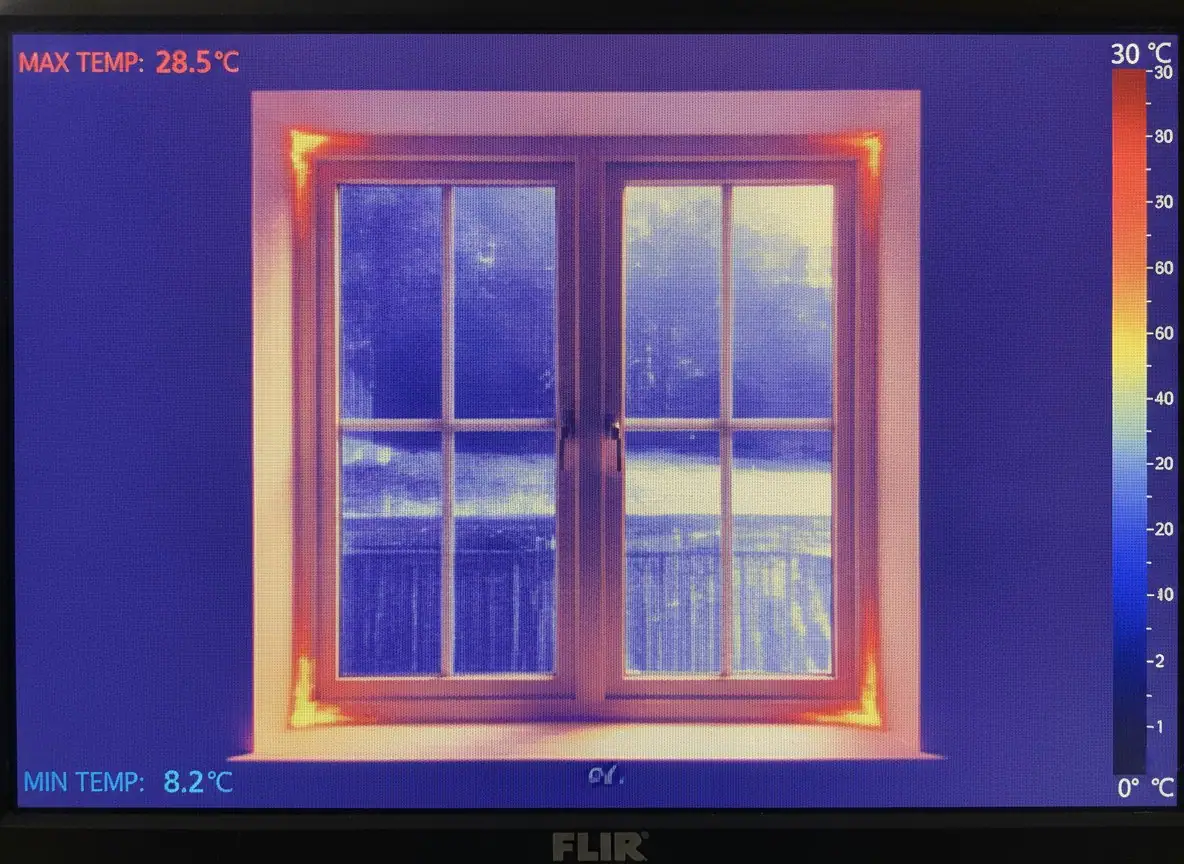
Signal Hill Neighborhoods We Serve
Temple Avenue Corridor
The residential streets flanking Temple Avenue include some of Signal Hill’s oldest surviving homes, many dating to the 1920s and 1930s oil-boom era. These properties frequently contain original insulation installations and may require asbestos assessment prior to removal. Low-pitch attics and narrow access hatches are common challenges in this area.
Cherry Avenue and Willow Street Area
This central Signal Hill corridor contains mid-century ranch homes built in the 1950s and 1960s. Proximity to legacy oil infrastructure means heightened soil off-gassing concerns. Blown-in cellulose is the dominant insulation type here, and rodent contamination is frequently encountered.
Hilltop and E 28th Street Residential District
Situated near the Signal Hill Park summit, this area features larger lot homes from the 1970s and 1980s. Marine layer moisture intrusion is particularly pronounced at this elevation, leading to higher rates of insulation moisture damage and mold contamination requiring removal.
Burnett Avenue Townhome Communities
Signal Hill’s newer multi-family and townhome developments along Burnett Avenue include properties from the 1990s–2010s. While newer, these properties may still require insulation removal following pest activity or HVAC modifications that disturbed original insulation systems.
Insulation Maintenance Tips for Signal Hill Homeowners
- Inspect attic vents seasonally: Check soffit and ridge vents every spring and fall to ensure they are clear of debris and allowing proper airflow, which reduces moisture buildup from Signal Hill’s marine layer.
- Seal attic penetrations annually: Gaps around pipes, wires, and light fixtures are primary rodent entry points in Signal Hill homes — seal with steel wool and foam annually.
- Monitor insulation depth: Check your attic floor twice a year. Insulation below 10 inches of depth in a loose-fill attic likely indicates compaction and loss of R-value.
- Address roof leaks immediately: Even minor roof damage from coastal weather events can wet insulation within hours. Repair leaks within 48 hours to prevent moisture damage.
- Keep attic access hatches sealed: An unsealed or poorly fitted attic hatch allows conditioned air to escape and unconditioned air — and pests — to enter.
- Schedule professional inspections every 5 years: Particularly important for Signal Hill homes over 30 years old given the combination of marine moisture, seismic activity, and rodent pressure unique to this city.
- Install rodent-proof vent covers: Replace standard mesh vent covers with 1/4-inch hardware cloth screens rated for California’s persistent rodent pressure. See our rodent proofing solutions.
Why Choose Clear Price Attic Insulation for Signal Hill
Signal Hill is not a generic suburban city — it is a geologically unique, historically rich community with specific insulation challenges that demand a contractor who understands the local environment. Clear Price Attic Insulation has built our entire service model around the kinds of problems Signal Hill homeowners actually face: marine layer moisture, rodent pressure from hillside habitat corridors, aging oil-boom-era construction, and the need for California Title 24 compliance.
We offer complete pricing transparency from the very first call — no surprise fees, no upsells, no pressure. Every estimate is written and itemized before we begin a single step of work.
Our technicians are trained in California-specific insulation regulations, South Coast AQMD compliance requirements, and LA County Public Health protocols for contaminated insulation handling. We carry full liability insurance and use only commercial-grade equipment to ensure safe, thorough removal on every job.
Read moreShow less
We also offer a complete suite of follow-up services so your project doesn’t stop at removal. Explore our blown-in insulation replacement options or learn about crawl space insulation for Signal Hill homes with pier-and-beam foundations.
Call us at 562-784-7649 — we answer calls from Signal Hill homeowners seven days a week.
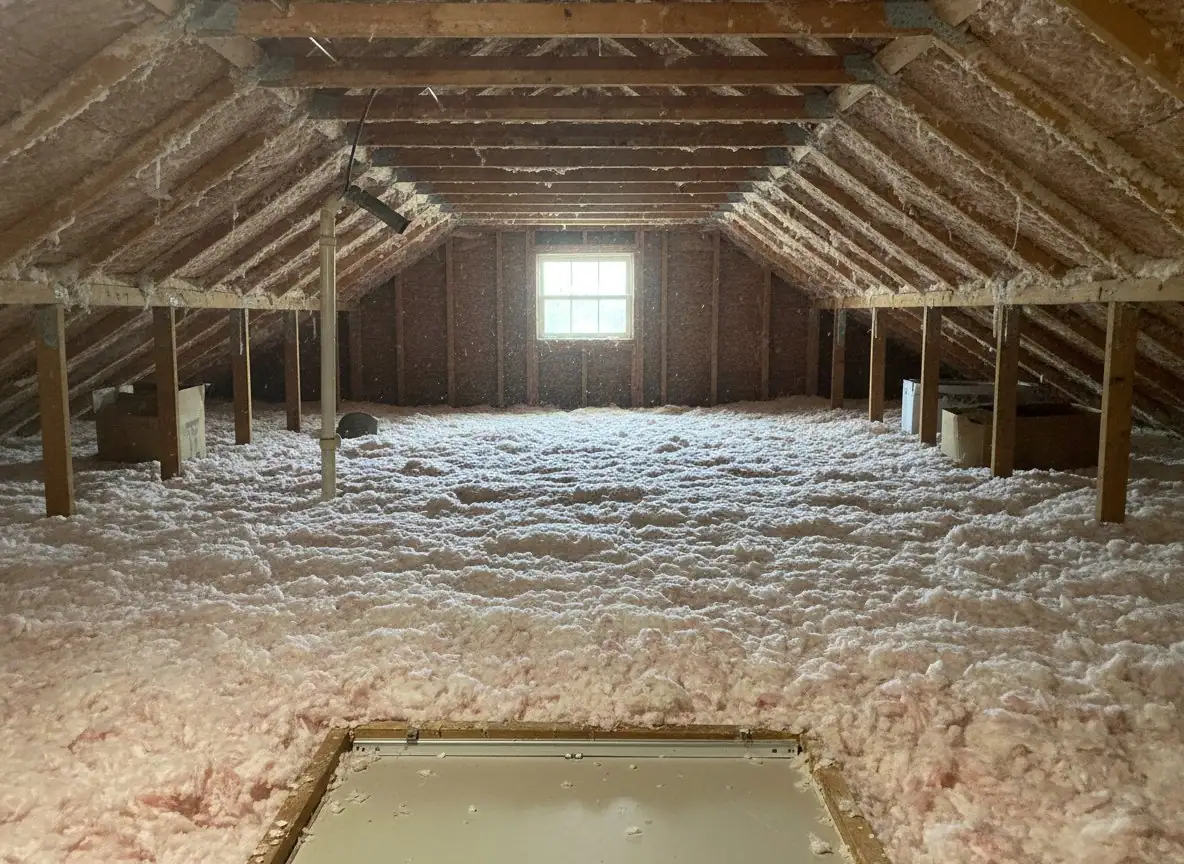
FAQ
Frequently Asked Questions: Insulation Removal in Signal Hill, CA
How much does insulation removal cost in Signal Hill, CA?
Most Signal Hill attic insulation removal projects fall between $700 and $1,500 for a standard single-family home. Factors that affect price include attic size, insulation type, contamination level, and access difficulty. Homes in older Signal Hill neighborhoods with low-clearance attics or confirmed rodent activity typically fall in the higher end of that range. We provide free written estimates for every project — call 562-784-7649 to schedule yours.
How long does insulation removal take in a typical Signal Hill home?
For most Signal Hill single-family homes with attics between 800 and 1,500 square feet, the removal process takes one full day — typically 5 to 8 hours including setup, removal, cleanup, and disposal. Larger homes or those requiring hazardous material protocols may require two days.
Do Signal Hill homes need asbestos testing before insulation removal?
If your Signal Hill home was built before 1985 and contains gray, pebble-like vermiculite insulation, or if you are unsure of the insulation material, we strongly recommend asbestos testing before any removal begins. California law requires asbestos-containing materials to be handled by licensed abatement contractors. We coordinate testing and, if needed, certified abatement through our professional network.
Is insulation removal required before adding new insulation?
Not always — in some cases, new blown-in insulation can be added on top of existing material. However, if existing insulation is contaminated, water-damaged, mold-affected, or deeply compacted below useful R-value, removal is the correct approach. Adding new insulation on top of compromised material does not fix the underlying problem and can trap moisture and contaminants. Our inspection will determine the right approach for your Signal Hill property.
What happens to the old insulation after it’s removed from my Signal Hill home?
All removed insulation is double-bagged in heavy-duty polyethylene bags, sealed on-site, and transported in our service vehicle to a licensed California solid waste disposal facility. Contaminated material is handled according to LA County Department of Public Health guidelines. We leave your property completely clear of all removed material on the same day as the job.
Can I stay in my home during insulation removal?
For standard removal jobs, yes — most Signal Hill homeowners remain home during the process. However, for jobs involving significant rodent contamination, suspected hazardous materials, or attic spaces directly above living areas, we recommend that sensitive individuals (young children, elderly residents, or those with respiratory conditions) make alternate arrangements for the day. Our crew will advise you specifically during the initial inspection.
How does Signal Hill’s marine layer affect how soon I should replace insulation after removal?
We recommend scheduling new insulation installation within 2–4 weeks of removal, and ideally before the June–September marine layer season if possible. An uninsulated attic in Signal Hill is particularly vulnerable to moisture infiltration during the marine layer months, and exposed wood structures can absorb humidity rapidly. We can often schedule removal and replacement as a single coordinated project to minimize the window of exposure. Explore fiberglass insulation replacement options.
Does Clear Price Attic Insulation serve all parts of Signal Hill?
Yes — we service every residential and commercial neighborhood within Signal Hill city limits, from the hillside bungalows near Temple Avenue to the newer townhome developments along Burnett Avenue. Our team is familiar with the specific access and structural characteristics of Signal Hill’s diverse building stock. Call 562-784-7649 to confirm service availability for your specific address.
Schedule Your Free Insulation Removal Estimate in Signal Hill Today
Don’t let old, damaged, or contaminated insulation continue to drain your energy dollars and compromise your family’s health. Whether you’re dealing with rodent contamination near Cherry Avenue, marine layer moisture damage in the Hilltop district, or legacy insulation in a pre-war bungalow off Temple Avenue, Clear Price Attic Insulation has the local expertise, professional equipment, and transparent pricing to get the job done right.
We serve all of Signal Hill, CA with same-week appointments available for most jobs.
- Call or text: 562-784-7649
- Service area: Signal Hill, CA and surrounding communities
- Free written estimates — no obligation
Contact us today to protect your Signal Hill home from the inside out.
Get in touch
Find insulation help near you
Request a free estimate online or give us a call — our team will follow up quickly.
- Call us(562) 784-7649
- Visit1653 E 28th St #6, Signal Hill, CA 90755
- HoursMon-Sun 07:00-19:00