
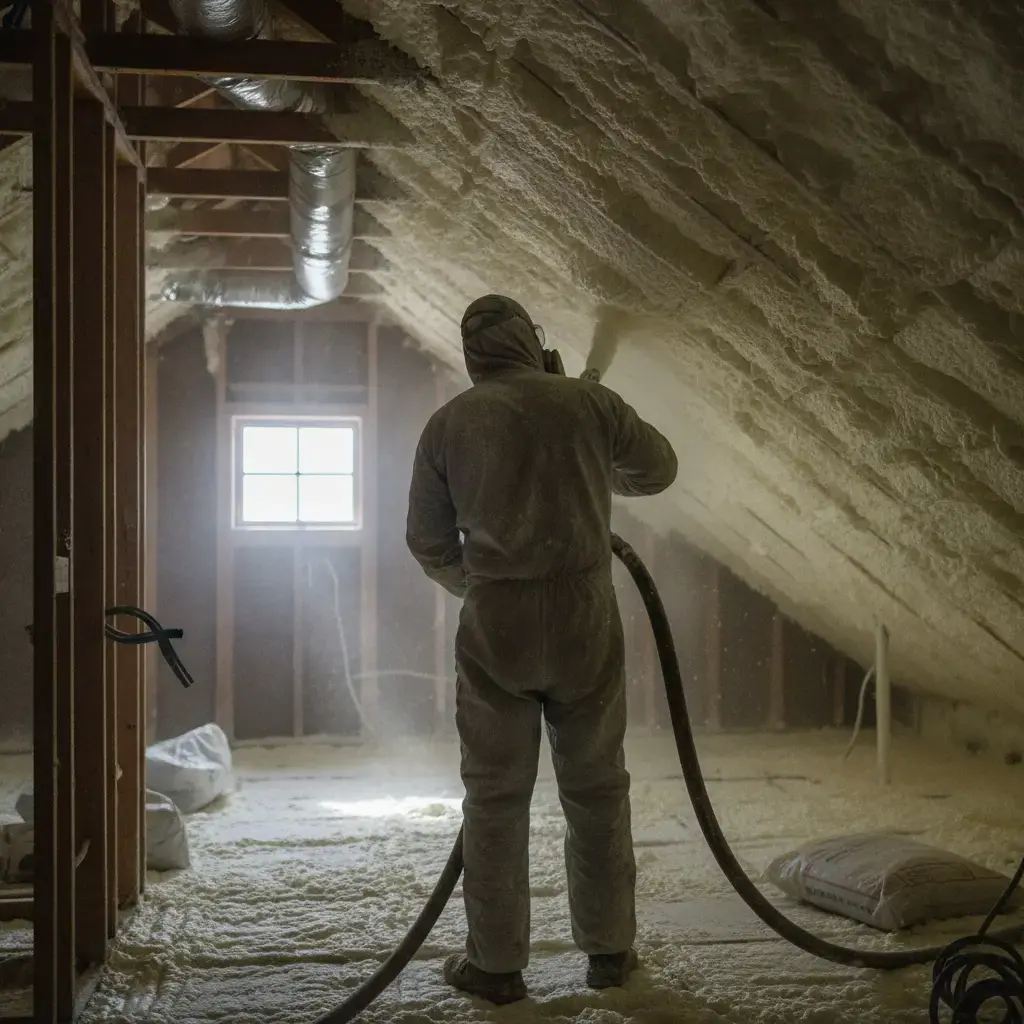
Duct Insulation in Signal Hill, CA
Energy-Saving Duct Insulation for Signal Hill, CA Homes — Licensed & Insured
Professional duct insulation in Signal Hill, CA. Transparent pricing, Title 24 compliant installs, free estimates. Call Clear Price at (562) 784-7649 today.
Duct insulation is the process of wrapping or encasing your home’s HVAC ductwork with insulating materials to prevent conditioned air from losing temperature as it travels through unconditioned spaces like attics, crawl spaces, and wall cavities. In Signal Hill, CA—a compact hillside city surrounded by Long Beach—this service is especially critical given the region’s marine-influenced climate, aging housing stock, and elevation-driven temperature swings that can stress uninsulated ductwork year-round.
At Clear Price Attic Insulation, we specialize in professional duct insulation services tailored to the specific building types and environmental conditions found throughout Signal Hill. Our team understands how the coastal marine layer interacts with elevated terrain and how older post-war construction in this area creates unique thermal challenges. Whether you’re dealing with skyrocketing energy bills or inconsistent room temperatures, our duct insulation solutions are designed to deliver lasting comfort and measurable savings for Signal Hill homeowners and property managers.
Understanding Duct Insulation
Duct insulation refers to the thermal and sometimes acoustic wrapping applied to heating, ventilation, and air conditioning (HVAC) duct systems. Ducts are the pathways that carry conditioned air—either heated or cooled—from your HVAC unit to the rooms throughout your home. Without proper insulation, that conditioned air can lose 20% to 30% of its thermal energy before it ever reaches its destination, according to the U.S. Department of Energy.
Historically, duct insulation became a recognized necessity in residential construction following the energy crisis of the 1970s. Before that period, most homes built in Southern California during the post-war boom of the 1940s through the 1960s—a period that defined much of Signal Hill’s residential landscape—were constructed with little to no duct insulation. Builders prioritized speed and cost over long-term energy efficiency. As energy prices rose and building codes evolved, duct insulation standards improved, but millions of existing homes in communities like Signal Hill were left with legacy ductwork that has never been upgraded.
Read moreShow less
Duct insulation materials have evolved significantly over the decades. Common materials used today include fiberglass duct wrap, rigid fiberglass duct board, reflective foil insulation, and spray foam. Each material carries an R-value—a measure of thermal resistance—ranging from R-4 to R-11 depending on the product and thickness. California’s Title 24 Building Energy Efficiency Standards require a minimum R-6 for ducts in unconditioned spaces, though R-8 is often recommended for attics in Southern California climates.
In Signal Hill specifically, duct systems often run through unconditioned attic spaces that regularly reach temperatures exceeding 140°F during summer months. This extreme thermal differential between the attic air and the conditioned air inside the ducts makes insulation not just beneficial—it makes it essential. Homes built before 1975 are particularly likely to have undersized or degraded duct insulation that no longer meets current performance expectations.
Understanding the role of duct insulation is the first step toward making an informed decision about your home’s energy infrastructure. Learn more about our attic insulation services to see how duct work and attic insulation complement each other.
Why Duct Insulation Is Needed in Signal Hill, CA
The Marine Layer and Coastal Humidity
Signal Hill’s elevation makes it a frequent recipient of the Southern California marine layer—a low-lying coastal fog system that rolls in from the Pacific, particularly between May and September. This phenomenon, sometimes called “June Gloom,” keeps morning temperatures in the low 60s°F while afternoons can climb to the mid-80s°F. This daily swing of 20°F or more creates repeated thermal cycling in attic spaces. Over time, this thermal stress causes duct wrap to expand and contract, accelerating the deterioration of adhesive seals and foil facings on older insulation. Signal Hill homes built in the 1950s and 1960s—many located in the Cherry Avenue corridor and the Hilltop neighborhoods—frequently show evidence of this wear pattern during inspection.
Historical Oil Field Legacy and Soil Conditions
Signal Hill sits atop the Signal Hill Oil Field, one of the most productive oil fields in California history, first tapped in 1921. Decades of extraction activity left behind a legacy of ground disturbance and subsidence in certain residential zones. This subsidence can cause structural settling in older homes, which in turn shifts ductwork from its original alignment and creates gaps at joints and connections. When ducts separate even slightly—by as little as 1/4 inch—conditioned air escapes directly into attic or crawl space environments, rendering insulation on those sections effectively useless. Signal Hill homeowners near the historic well sites along Reservoir Drive and the western slope have reported above-average rates of duct disconnection during our inspections.
Aging Housing Stock and Original Duct Condition
A significant portion of Signal Hill’s residential housing was built between 1945 and 1970. Many of these homes still contain original flex duct or metal ductwork with fiberglass wrap that has degraded to an R-value well below the current California Title 24 minimum of R-6. Insulation that was installed at R-4 in 1965 may now be performing at R-2 or less due to compression, moisture infiltration, and material breakdown. Our thermal imaging assessments in Signal Hill neighborhoods consistently reveal surface temperatures on uninsulated or under-insulated ducts running 30°F to 50°F warmer than the surrounding conditioned air—a direct indicator of significant energy loss.
Elevated Energy Costs and Grid Demand
Southern California Edison serves Signal Hill, and electricity rates in the region average between $0.25 and $0.40 per kilowatt-hour under tiered rate structures. Poorly insulated ducts that force HVAC systems to run 15% to 25% longer to compensate for thermal losses translate directly into measurable monthly cost increases. Signal Hill’s compact urban lot sizes mean most homes have limited shade cover, amplifying attic heat gain and increasing the strain on duct systems throughout the summer cooling season.
Free, no-obligation estimates
Talk to Clear Price Attic Insulation
Tell us what you need and we’ll take it from there.
Signs You Need Duct Insulation in Signal Hill
Energy and Billing Indicators
- Monthly electricity bills that have increased 20% or more without a corresponding change in usage habits
- HVAC system running continuously without reaching the thermostat set point
- Seasonal energy costs that spike disproportionately during Signal Hill’s dry summer heat events
Comfort and Temperature Issues
- Noticeable temperature differences of 5°F or more between rooms served by the same HVAC system
- Rooms that feel hot in summer or cold in winter despite the thermostat being set appropriately
- Warm air coming from supply vents when the air conditioner is running
- Cold air from vents during heating season, indicating heat loss before delivery
Visual and Physical Warning Signs
- Visibly torn, sagging, or missing duct wrap in accessible attic spaces
- Foil facing on duct insulation that is peeling, bubbling, or discolored
- Condensation or moisture staining on ductwork surfaces—common in Signal Hill’s marine layer conditions
- Dust accumulation near supply registers, indicating air bypassing filtration through insulation gaps
Urgency Indicators
If your home was built before 1975 and ductwork has never been inspected or upgraded, treat this as an urgent matter. Degraded duct insulation in Signal Hill’s high-attic-temperature environment can cause HVAC systems to fail prematurely, leading to replacement costs far exceeding the cost of proactive insulation work.
Our process
Our Duct Insulation Process in Signal Hill
Clear Price Attic Insulation follows a structured, transparent process for every duct insulation project in Signal Hill. Here’s what you can expect from start to finish.
- 01
Initial Consultation and Scheduling (Day 1)
Contact us at (562) 784-7649 to schedule your free on-site assessment. We confirm your address, discuss any symptoms you’ve noticed, and schedule a visit that works around your availability. For Signal Hill properties with hillside access considerations, we no
- 02
Comprehensive Duct and Attic Inspection (Day of Assessment, 1–2 Hours)
Our technician accesses your attic and any crawl space areas to perform a full visual and thermal inspection. We use infrared cameras to identify thermal anomalies along duct runs and measure current insulation R-values. We document all gaps, disconnections, c
- 03
Detailed Written Estimate (Within 24 Hours)
We provide a clear, itemized written estimate covering material specifications, R-value targets, total linear footage of duct to be insulated, and total cost. No hidden fees. Our pricing is transparent because our name says so.
- 04
Duct Sealing Preparation (Installation Day, First 1–2 Hours)
Before applying new insulation, we seal all duct joints, seams, and connections using mastic sealant or UL 181-rated foil tape. This step is non-negotiable—insulating leaky ducts without sealing them first yields suboptimal results. This preparation is especia
- 05
Insulation Installation (Installation Day, 2–6 Hours Depending on Scope)
We apply the specified insulation product—fiberglass duct wrap, rigid duct board, or reflective barrier depending on your system and space—achieving the agreed-upon R-value. All materials meet California Title 24 compliance standards with a minimum of R-6, typ
- 06
Final Inspection and Documentation (Same Day, 30–60 Minutes)
Upon completion, we conduct a post-installation walkthrough, provide photographic documentation of before and after conditions, and confirm that all duct sections meet installation standards. We review maintenance recommendations specific to your Signal Hill h
- 07
Follow-Up (30 Days Post-Installation)
We recommend a brief follow-up review at 30 days to confirm your system is performing as expected and address any questions about your first post-installation energy billing cycle.
Duct Insulation Methods and Approaches
Fiberglass Duct Wrap (R-6 to R-8)
The most common method for residential duct insulation in Signal Hill. Flexible fiberglass batts with a foil or kraft vapor facing are wrapped around round flex ducts and rectangular metal ducts. This approach is cost-effective, widely available, and meets California Title 24 requirements. Best suited for accessible attic runs in Signal Hill’s ranch-style and post-war bungalow homes.
Rigid Fiberglass Duct Board (R-6 to R-8)
Pre-formed rigid insulation panels that encase rectangular metal ductwork. Provides superior structural support and a cleaner finish compared to wrap. Recommended for exposed ductwork in garages or utility rooms and for homes with larger commercial-grade duct systems. Some Signal Hill multi-family properties benefit significantly from this method.
Spray Foam Insulation for Duct Cavities (R-Value Varies by Thickness)
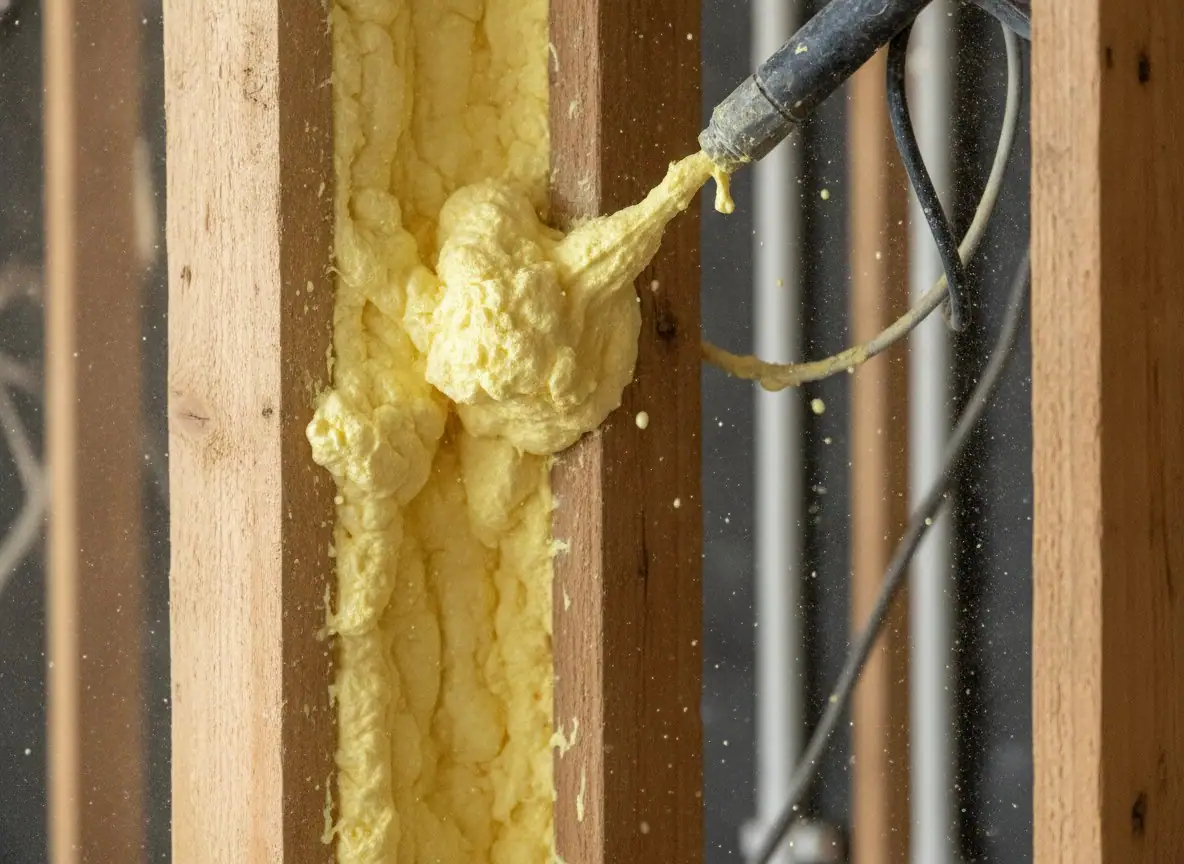
Closed-cell spray foam is applied in cavities surrounding ductwork, particularly in wall chases or areas where wrap installation is impractical. This method also air-seals simultaneously, making it highly effective for ducts running through conditioned-to-unconditioned transition zones. Explore our spray foam insulation services for more details on this approach.
Reflective Radiant Barrier Wrapping
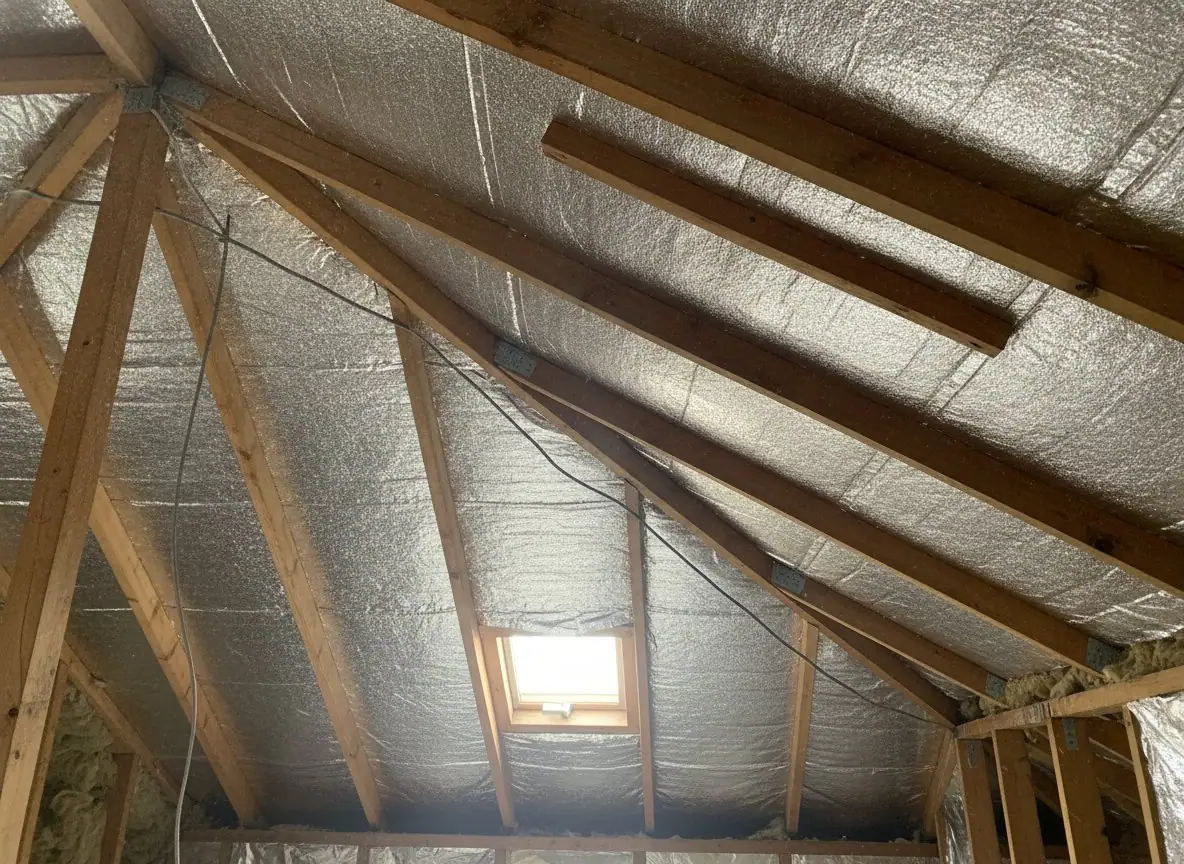
A reflective foil-based wrap that reduces radiant heat transfer from Signal Hill’s superheated attic environments into duct systems. Most effective when used in combination with fiberglass wrap rather than as a standalone solution. Particularly useful in homes with south- or west-facing attic exposures where radiant gain is most intense.
Blow-In Insulation Over Buried Ducts
For ducts buried beneath existing attic insulation, we may recommend blow-in insulation to supplement coverage and bring overall system performance up to current standards without requiring full duct excavation.
Duct Insulation Cost in Signal Hill, CA
Understanding the cost of duct insulation in Signal Hill helps homeowners plan and budget appropriately. Clear Price Attic Insulation provides transparent, itemized estimates with no surprise charges.
Typical Cost Ranges
- Basic duct wrap installation (single-story, up to 100 linear feet): $800–$1,500
- Mid-range project (1,200–1,800 sq ft home, full attic duct run): $1,500–$2,800
- Comprehensive project including duct sealing and R-8 upgrade: $2,500–$4,500
- Multi-family or larger Signal Hill properties (per unit): $1,200–$2,200
Factors That Influence Cost
- Duct system size and linear footage: Longer duct runs in larger Signal Hill homes increase material and labor costs proportionally.
- Attic accessibility: Low-pitch attics common in Signal Hill’s 1950s ranch homes may require additional labor time.
- Existing condition: Homes requiring duct sealing or partial duct replacement before insulation add $200–$600 to base costs.
- R-value target: Upgrading from R-4 to R-8 versus R-6 adds approximately 15%–20% to material costs.
- Insulation method selected: Rigid duct board runs 10%–20% higher than fiberglass wrap for equivalent R-value coverage.
Read moreShow less
Signal Hill–Specific Pricing Notes
Signal Hill’s compact parcels and hillside topography occasionally require equipment adjustments that can add a modest premium of $100–$300 for access. However, the compact home sizes typical of this city often result in total project costs on the lower end of regional ranges. California utility rebates through Southern California Edison may offset 10%–20% of qualifying duct insulation project costs—we can advise on current program availability.
Contact us at (562) 784-7649 for a free, no-obligation estimate specific to your Signal Hill property.
Signal Hill Neighborhoods We Serve
Hilltop / Summit Area
The elevated central neighborhoods near the summit of Signal Hill include a mix of mid-century ranch homes built in the 1950s–1960s and newer infill construction from the 1990s–2000s. Older homes here frequently have original ductwork that has never been insulated to current standards. Exposed ridgeline positioning also increases wind-driven thermal stress on attic duct systems.
Cherry Avenue Corridor
Running north to south through Signal Hill, this corridor includes post-war bungalows and some light commercial mixed-use properties. Residential homes here often feature slab foundations with attic-only duct runs, making duct wrap replacement a straightforward but impactful upgrade.
Temple Avenue and Western Slope
Homes along the western slope near Temple Avenue sit closest to the historic Signal Hill Oil Field well sites and are most susceptible to ground-settling-related duct displacement. We pay particular attention to joint integrity during inspections in this zone. Many homes here are 1940s–1950s construction with original metal ductwork.
Nearby Service Communities
In addition to Signal Hill, we regularly serve neighboring communities including Long Beach, Lakewood, Carson, Compton, and Bellflower. View our full service area to confirm coverage in your specific neighborhood.
Duct Insulation Maintenance Tips for Signal Hill Homeowners
- Inspect attic ductwork annually: Schedule a visual check each fall before heating season begins—ideally after Signal Hill’s summer marine layer season ends in September—to catch any insulation damage before winter demand peaks.
- Check for moisture after marine layer events: Persistent coastal fog can introduce attic humidity. Look for condensation or staining on duct insulation surfaces, especially on north-facing attic sections with less solar drying.
- Replace HVAC filters every 60–90 days: Clean filters reduce system strain, which in turn reduces the thermal load on duct insulation over time.
- Seal attic access hatches: An unsealed attic hatch allows significant conditioned air and heat transfer. Weatherstripping and insulating the hatch door reduces overall attic temperature and protects duct insulation performance.
- Monitor for pest activity: Rodents and insects in Signal Hill’s urban environment can damage duct wrap. Check insulation surfaces for chewing or nesting material during annual inspections.
- Avoid compressing duct insulation: If you store items in your attic, never stack materials against or on top of flexible duct runs—compression reduces R-value significantly.
- Schedule professional re-evaluation every 10 years: Insulation materials degrade over time; a professional thermal imaging assessment every decade ensures your system continues to perform at rated values.
Why Choose Clear Price Attic Insulation in Signal Hill
Clear Price Attic Insulation has built its reputation on one simple commitment: honest pricing and quality workmanship for homeowners throughout Signal Hill and the greater Long Beach area. We understand the specific housing stock, soil conditions, and microclimatic challenges that define Signal Hill’s residential environment—and we bring that knowledge to every project we undertake.
Our technicians are trained in California Title 24 compliance, ensuring that every duct insulation installation we complete meets or exceeds the state’s minimum energy efficiency standards. We use thermal imaging technology on every inspection to provide you with objective, data-driven recommendations rather than guesswork.
Read moreShow less
We offer comprehensive insulation services beyond duct work, including attic insulation, crawl space insulation, insulation removal and replacement, and crawl space encapsulation—allowing us to address your home’s full thermal envelope in a single relationship with one trusted contractor.
Transparent estimates. No upselling. No hidden fees. That’s the Clear Price promise to Signal Hill homeowners. Call us at (562) 784-7649 to get started.
FAQ
Frequently Asked Questions About Duct Insulation in Signal Hill
How much does duct insulation cost in Signal Hill, CA?
Most residential duct insulation projects in Signal Hill range from $800 to $4,500 depending on home size, duct system length, current insulation condition, and the R-value target. A typical 1,400 sq ft Signal Hill home with full attic duct access generally falls between $1,500 and $2,500. We provide free, itemized written estimates so you know exactly what you’re paying for before any work begins.
How long does duct insulation installation take?
For most Signal Hill single-family homes, the full installation—including duct sealing prep and insulation application—takes between 4 and 8 hours and is completed in a single day. Larger homes or those with difficult attic access may require a second day.
Does Signal Hill’s marine layer affect duct insulation performance?
Yes. The marine layer introduces periodic humidity into attic spaces that can accelerate moisture infiltration in improperly installed or already-degraded duct insulation. We use vapor-facing materials rated for coastal California environments and ensure all seams are properly sealed to prevent moisture intrusion.
What R-value is required for duct insulation in California?
California’s Title 24 Building Energy Efficiency Standards require a minimum of R-6 for ducts located in unconditioned spaces like attics. For Signal Hill homes where attic temperatures regularly exceed 130°F–140°F in summer, we recommend R-8 as a performance standard that delivers noticeably better results.
Can duct insulation help with uneven temperatures in my Signal Hill home?
Absolutely. Uneven room temperatures are one of the most common symptoms of duct insulation failure. When conditioned air loses 20%–30% of its thermal energy traveling through an uninsulated attic, rooms at the end of long duct runs—often back bedrooms or additions—receive significantly less effective conditioning. Proper duct insulation restores temperature balance throughout the home.
Do I need to remove old duct insulation before installing new material?
In most cases, yes. Degraded or moisture-damaged insulation must be removed before new material is applied to achieve rated R-values. Layering new wrap over failed insulation does not restore performance. Our insulation removal service handles this efficiently as part of a complete replacement project.
Are there rebates available for duct insulation in Signal Hill?
Southern California Edison periodically offers rebates through its Energy Efficiency Rebate Program for qualifying duct insulation and sealing projects. Rebate amounts and availability change annually. We can advise you on current programs during your free estimate and help you identify which portions of your project may qualify.
How do I know if my Signal Hill home’s ductwork has never been insulated?
If your home was built before 1975 and you’ve never had an HVAC or insulation contractor inspect the ductwork, there’s a strong likelihood it either has no insulation or has insulation that no longer meets current standards. During our free inspection, we use infrared cameras to definitively measure duct surface temperatures and calculate current effective R-values.
Ready to Improve Comfort and Cut Energy Costs in Signal Hill?
Don’t let uninsulated or degraded ductwork drain your budget through another Southern California summer or rainy winter. Clear Price Attic Insulation provides professional duct insulation services throughout Signal Hill, CA with transparent pricing, no-surprise estimates, and workmanship that meets California’s Title 24 energy efficiency standards.
Whether you’re in the Hilltop neighborhoods, along the Cherry Avenue corridor, or anywhere else in Signal Hill, our team is ready to assess your home and deliver a clear plan for improving your duct system’s performance.
Call us now at (562) 784-7649 to schedule your free duct insulation inspection and estimate. Serving Signal Hill and surrounding communities including Long Beach, Lakewood, Carson, Compton, Bellflower, and beyond.
Get in touch
Find insulation help near you
Request a free estimate online or give us a call — our team will follow up quickly.
- Call us(562) 784-7649
- Visit1653 E 28th St #6, Signal Hill, CA 90755
- HoursMon-Sun 07:00-19:00