

Open Cell Spray Foam Insulation in Signal Hill, CA
Energy-Saving Open Cell Spray Foam Insulation for Signal Hill, CA Homes — Licensed & Insured
Get expert open cell spray foam insulation in Signal Hill, CA. Clear Price Attic Insulation offers free estimates, transparent pricing & local expertise. Call (562) 784-7649.
Open cell spray foam insulation is a cutting-edge insulation solution that expands on contact to fill every crack, gap, and cavity in your home’s structure — creating an air-tight thermal and acoustic barrier that outperforms traditional fiberglass batts and blown-in materials. Unlike closed cell foam, open cell spray foam uses a softer, more flexible cellular structure that excels at sound dampening and is ideal for interior walls, attic rafters, and tight crawl spaces common in Southern California’s varied housing stock.
Signal Hill’s unique position — elevated above the Long Beach basin, subject to consistent marine layer influence, and home to a dense mix of mid-century bungalows and newer condominiums — creates specific insulation demands that generic solutions simply can’t meet. At Clear Price Attic Insulation, we specialize in open cell spray foam applications designed for the coastal climate conditions, older building envelopes, and energy efficiency goals specific to Signal Hill, CA. Call us today at (562) 784-7649 to schedule your free assessment.
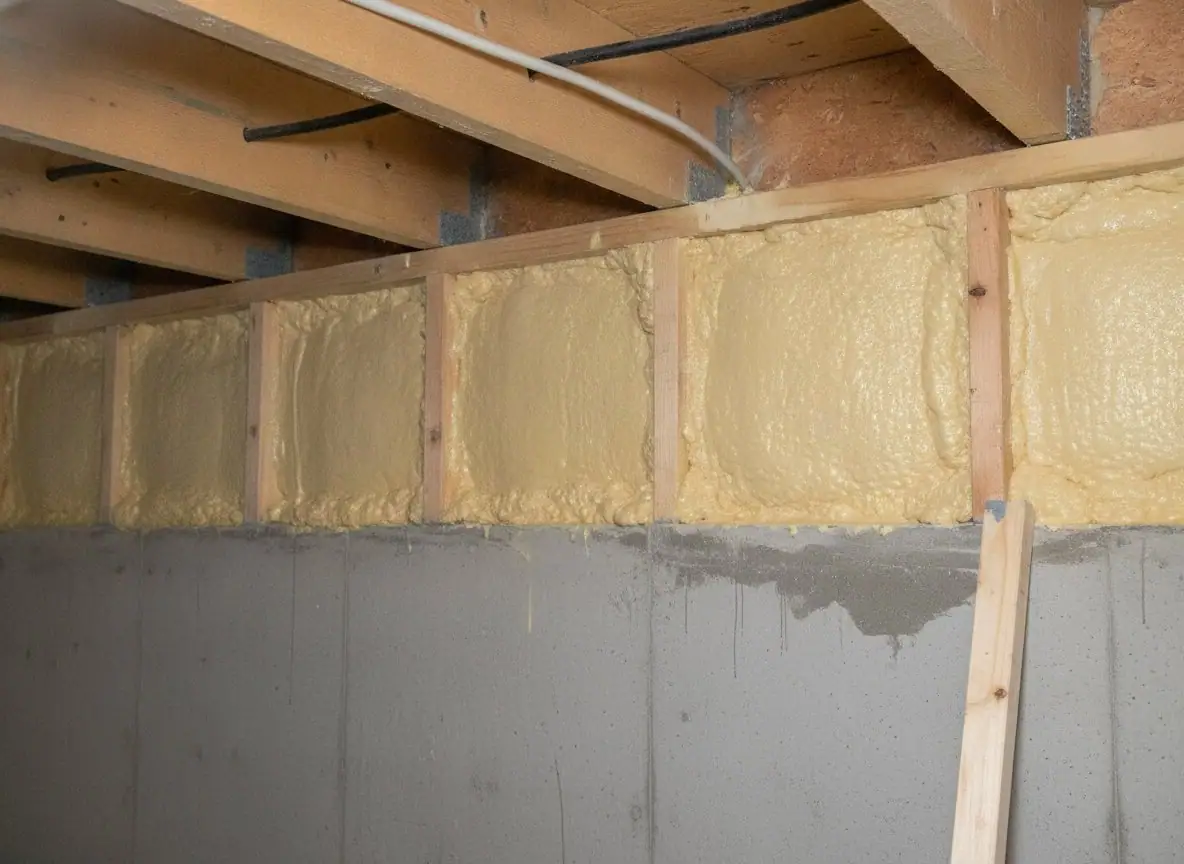
Understanding Open Cell Spray Foam Insulation
Open cell spray foam insulation is a two-component polyurethane product that, when mixed and applied, expands rapidly — up to 100 times its original volume — to fill irregular voids, seal air leaks, and create a continuous insulation layer. The “open cell” designation refers to the microscopic cell structure within the cured foam: the cells are intentionally left open, giving the material a spongy, breathable texture. This distinguishes it from its denser counterpart, closed cell spray foam, which is rigid and vapor-impermeable.
Commercially introduced in the 1980s and refined through the 1990s, spray foam became widely adopted in residential construction during the early 2000s as energy codes tightened across California. Title 24, California’s Building Energy Efficiency Standards, has progressively raised the bar for insulation R-values, making high-performance materials like open cell spray foam increasingly necessary rather than merely optional.
Read moreShow less
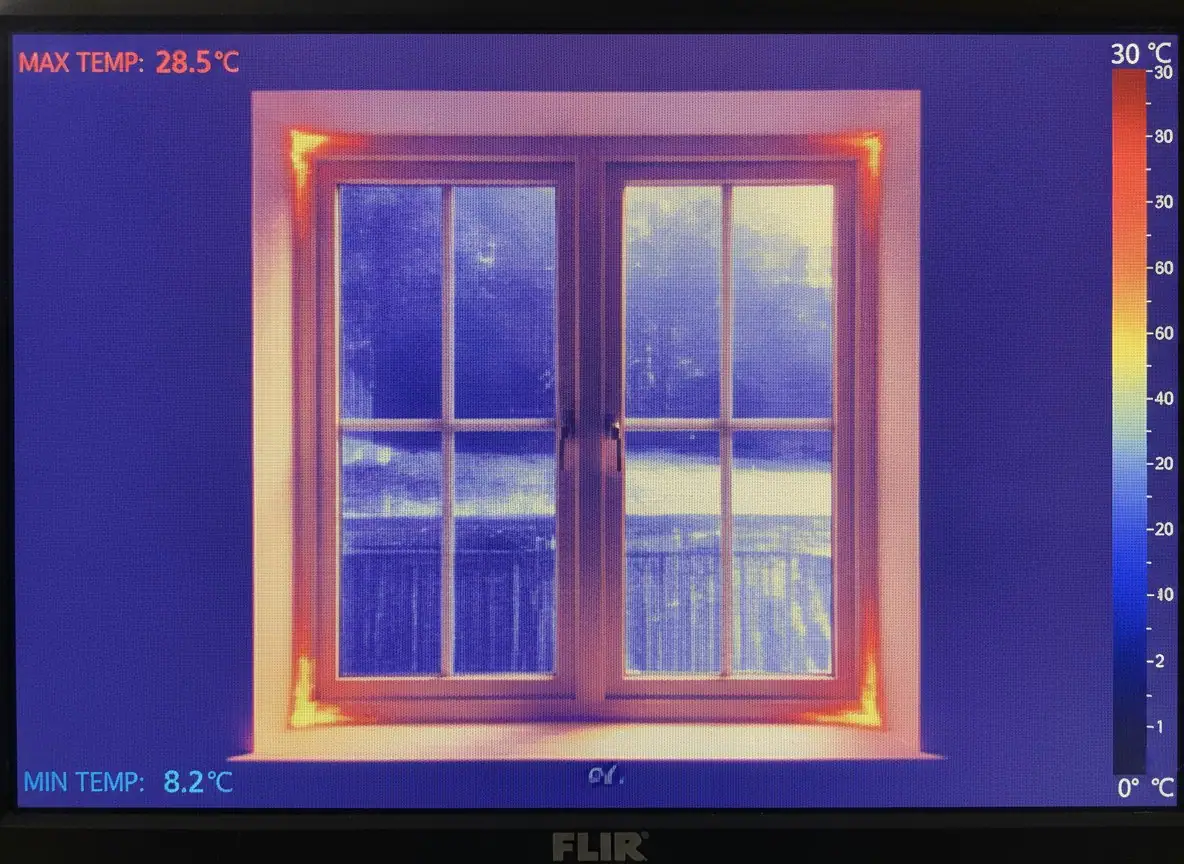
Open cell spray foam achieves an R-value of approximately R-3.5 to R-3.7 per inch, which is lower per inch than closed cell foam but still highly effective when applied at depths of 5.5 inches or more — reaching R-19 and beyond. The material’s strength lies not just in its thermal resistance but in its ability to eliminate air infiltration entirely. Studies from the Lawrence Berkeley National Laboratory estimate that air leakage accounts for 25–40% of heating and cooling energy loss in California homes, a problem open cell foam solves comprehensively.
In Signal Hill and the surrounding South Bay/Long Beach region, homes built between the 1940s and 1970s dominate many streets. These structures frequently used fiberglass batt insulation — or no insulation at all — in their original construction. Decades of thermal cycling, coastal humidity, and seismic activity have degraded whatever insulation existed, making retrofitting with open cell spray foam one of the most impactful upgrades a Signal Hill homeowner can make. The foam’s flexibility is particularly advantageous in post-earthquake scenarios, where small structural shifts can crack rigid insulation types but leave open cell foam intact and functional.
Why Open Cell Spray Foam Insulation Is Needed in Signal Hill, CA
Marine Layer and Coastal Humidity
Sitting at elevations ranging from approximately 60 to 365 feet above sea level, Signal Hill is elevated enough to catch marine layer fog directly, especially during the May through September “June Gloom” season. This persistent marine layer drives average relative humidity levels in the 70–85% range during morning hours, creating condensation risks inside poorly insulated wall cavities and attic spaces. Fiberglass batts, which absorb moisture readily, lose up to 40% of their effective R-value when wet — a chronic problem in Signal Hill homes without vapor management systems. Open cell spray foam, while vapor-permeable, creates an air barrier that prevents the bulk moisture movement responsible for this degradation.
Oil Field Legacy and Soil Conditions
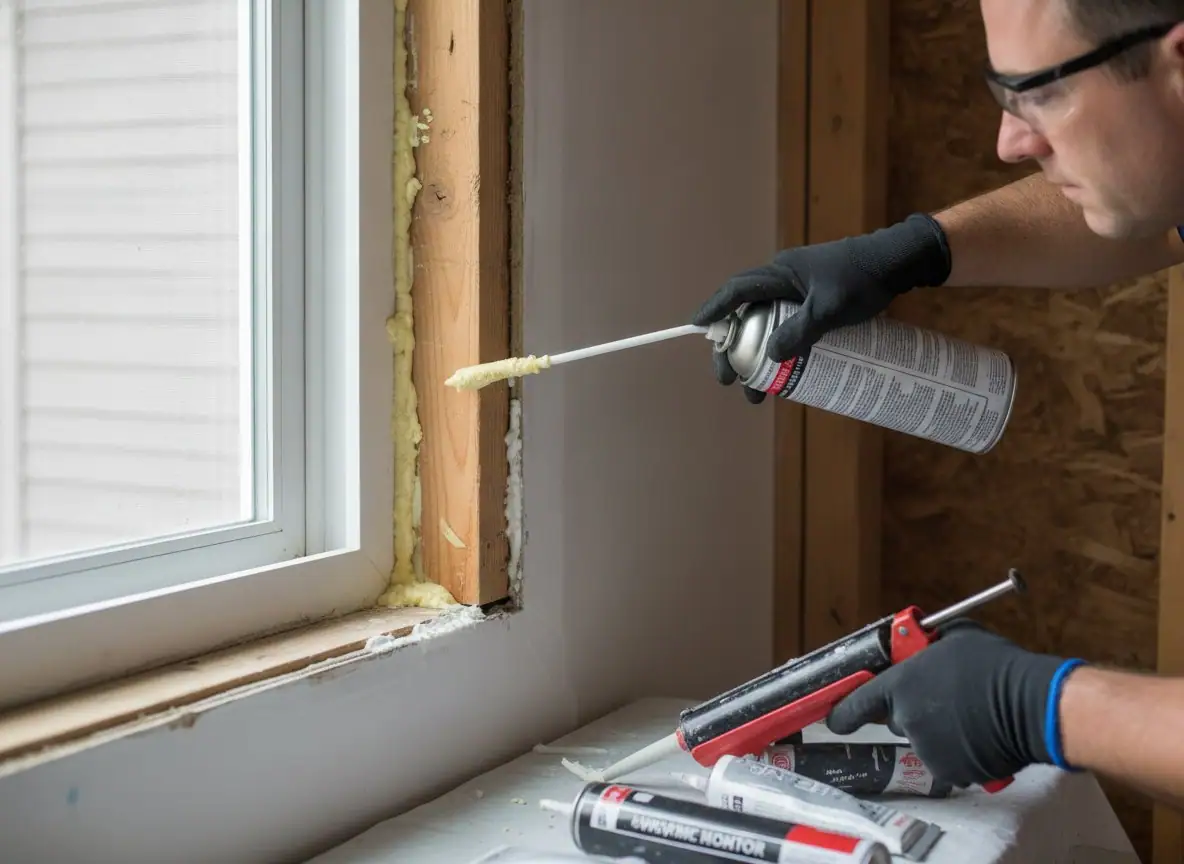
Signal Hill was famously the site of one of the most productive urban oil fields in American history, with the Alamitos No. 1 well striking oil on June 23, 1921. Decades of oil extraction left behind complex subsurface conditions, including areas of differential soil settlement. Homes in neighborhoods along Hill Street, Dawson Avenue, and Cherry Avenue near the historic oil field footprint have experienced subtle but measurable foundation movement over the decades. This movement creates micro-gaps in building envelopes — around window frames, at wall-to-ceiling junctions, and along floor-to-wall interfaces — that allow conditioned air to escape and unconditioned air to infiltrate. Open cell spray foam’s expansive application seals these irregular gaps that no pre-cut batt or rigid board can address effectively.
Temperature Swings and Heat Island Effects
Despite its coastal proximity, Signal Hill experiences meaningful temperature variation. Summer afternoon temperatures on the hilltop can reach 85–95°F while the base of the hill sits in a cooler marine corridor near Long Beach’s urban core. This elevation-driven temperature differential, combined with the urban heat island effect from surrounding commercial corridors along Cherry Avenue and Willow Street, means attics in Signal Hill can reach internal temperatures of 140–160°F on peak summer days. Without adequate insulation, this radiant heat load drives air conditioning costs significantly higher. Southern California Edison data consistently shows that Signal Hill ZIP codes (90755) rank among the higher residential electricity consumption areas in the Long Beach service region during summer cooling months.
Aging Housing Stock
A significant portion of Signal Hill’s residential building stock dates to the post-World War II boom years of 1945–1965. Many of these single-family homes feature 2×4 wall construction with minimal insulation depth, vented attic assemblies with degraded or compressed fiberglass batts, and crawl spaces that have never been properly encapsulated. The transition to condominiums and multi-family developments in the 1980s and 1990s added new building types with different but equally pressing insulation needs — particularly party-wall sound transmission issues that open cell foam addresses with its superior acoustic damping properties. Learn more about our attic insulation services
Free, no-obligation estimates
Talk to Clear Price Attic Insulation
Tell us what you need and we’ll take it from there.
Signs You Need Open Cell Spray Foam Insulation in Signal Hill
Energy and Comfort Indicators
- Monthly SCE (Southern California Edison) bills exceeding $180–$220 during summer months in a typical Signal Hill home under 1,500 square feet
- Rooms that feel 5°F or more warmer or cooler than thermostat settings, especially upper-floor bedrooms during afternoon heat
- HVAC system cycling on and off more than 3–4 times per hour on moderate weather days
- Drafts detectable near electrical outlets, window frames, or recessed lighting fixtures
Moisture and Indoor Air Quality Indicators
- Visible condensation on interior window surfaces during morning marine layer hours
- Musty or earthy odors emanating from attic access hatches or crawl space vents
- Discoloration or staining on ceiling drywall, especially near exterior walls or at ceiling-wall junctions
- Elevated allergy symptoms indoors, potentially indicating airborne particulates entering through unsealed envelope gaps
Structural and Visual Indicators
- Existing fiberglass batt insulation that appears compressed, discolored, or has fallen away from joist bays in the attic
- Visible daylight or outside air movement when inspecting attic eaves, rim joists, or crawl space perimeters
- Pest activity (rodents, insects) entering through gaps that indicate unsealed envelope penetrations
Urgency Note: If you observe moisture staining combined with energy cost spikes, schedule an assessment immediately — these combined symptoms often indicate active moisture damage accelerating within the building assembly. Learn about our insulation removal services
Our process
Our Open Cell Spray Foam Insulation Process in Signal Hill
- 01
Free On-Site Assessment (Day 1 — 60 to 90 Minutes)
Our Signal Hill insulation specialist visits your property to conduct a thorough building envelope inspection. We assess attic depth and current R-value, identify air leakage points using a visual and tactile inspection, review your recent utility bills, and d
- 02
Detailed Written Estimate (Within 24 Hours)
Clear Price Attic Insulation provides an itemized written estimate with no hidden fees — our pricing transparency is a core commitment. The estimate specifies spray foam thickness targets, projected R-values, and any preparatory work required.
- 03
Pre-Installation Preparation (Installation Day — First 30 to 60 Minutes)
Our crew protects your belongings, HVAC equipment, and surfaces adjacent to the work area with plastic sheeting. Existing degraded insulation is removed if necessary before foam application. View our insulation removal service
- 04
Open Cell Spray Foam Application (2 to 6 Hours Depending on Scope)
Using professional-grade, temperature-controlled spray equipment calibrated for Southern California’s ambient conditions, our certified applicators apply open cell spray foam in controlled passes. Signal Hill’s coastal humidity requires careful monitoring of s
- 05
Cure Time and Quality Inspection (1 to 2 Hours Post-Application)
Open cell foam achieves tack-free cure within minutes and full structural cure within 8–24 hours. Our inspector verifies coverage uniformity, checks for voids or thin spots, and confirms target thickness measurements with a calibrated depth probe.
- 06
Post-Installation Ventilation Guidance
We provide written guidance on post-installation ventilation requirements — typically 24 hours of increased airflow before normal occupancy — and answer all homeowner questions before departing the site.
- 07
Follow-Up Check-In (7 to 14 Days Later)
We follow up by phone or in person to confirm satisfaction and address any questions about your new insulation system’s performance.
Open Cell Spray Foam Methods and Approaches Used in Signal Hill
Attic Rafter / Roof Deck Application
Applied directly to the underside of roof decking between rafters, this approach creates an unvented (hot roof) assembly that brings the attic into the conditioned envelope. Ideal for Signal Hill homes with HVAC equipment or ductwork located in the attic — a common configuration in mid-century construction throughout the Cherry Avenue and Willow Street residential corridors. Typical application depth: 5.5 to 7 inches (R-19 to R-25).
Attic Floor Application Over Joists
For homes where HVAC is located outside the attic, applying open cell foam between and over attic floor joists creates a thermal break at the ceiling plane. This method is more economical than full roof deck application and suits Signal Hill’s smaller bungalow footprints well.
Crawl Space Wall and Rim Joist Application
Many Signal Hill homes, particularly those on sloped lots along Dawson Avenue and the eastern hillside parcels, feature raised foundation crawl spaces. Applying open cell spray foam to the interior crawl space walls and rim joists seals moisture pathways and eliminates cold floor syndrome during winter months. See our crawl space insulation services
Interior Wall Application for Acoustic Control
Signal Hill’s condominium and multi-family properties, many constructed in the 1980s along Temple Avenue and Pacific Coast Highway corridors, suffer from party-wall sound transmission. Open cell foam’s open cellular structure absorbs sound waves with a Sound Transmission Class (STC) improvement of 10–15 points over unfilled wall cavities.
Rim Joist and Band Joist Sealing
A targeted application sealing the rim and band joists at the foundation level addresses one of the highest air infiltration zones in older Signal Hill homes — often accounting for 15–25% of total envelope air leakage.
Open Cell Spray Foam Insulation Cost in Signal Hill, CA
Understanding the cost of open cell spray foam insulation helps Signal Hill homeowners plan their investment accurately. At Clear Price Attic Insulation, we believe in transparent, itemized pricing with no surprise charges after the job is done.
Typical Price Ranges
- Attic application (roof deck or floor joists): $1.50 to $2.50 per board foot, with most Signal Hill attics (800 to 1,400 square feet) costing between $2,800 and $6,500 depending on depth and accessibility
- Crawl space walls and rim joists: $1,500 to $3,500 for a typical Signal Hill raised-foundation home
- Interior wall acoustic application: $1.00 to $1.75 per board foot; a typical room runs $600 to $1,800
- Rim joist sealing only: $400 to $900 for most Signal Hill homes
Read moreShow less
Factors That Affect Your Cost
- Existing insulation removal: Add $0.75 to $1.50 per square foot if degraded fiberglass or blown-in insulation must be removed first Learn about insulation removal costs
- Attic access difficulty: Hillside homes common on Signal Hill’s eastern slopes may require additional setup time
- Application depth: Greater depth = higher R-value = higher material cost; Title 24 compliance targets often drive minimum thickness requirements
- Substrate conditions: Moisture remediation or mold treatment prior to foam application adds cost
Signal Hill Pricing Context
Signal Hill pricing aligns closely with the greater Long Beach market, typically running 8–12% higher than inland Inland Empire markets due to higher labor costs and coastal access logistics. However, energy savings of $600 to $1,400 annually reported by Long Beach-area homeowners after spray foam installation routinely result in a payback period of 4 to 7 years. Call (562) 784-7649 for a free, no-obligation estimate specific to your Signal Hill property.
Signal Hill Neighborhoods We Serve
Cherry Avenue Corridor (Central Signal Hill)
The residential streets flanking Cherry Avenue — including Junipero Avenue and Gaviota Avenue — feature primarily 1950s and 1960s single-family homes with original, compressed fiberglass insulation in attics and uninsulated crawl spaces. These homes are our most frequent open cell spray foam retrofit candidates.
Hilltop Estates (Upper Signal Hill)
Elevated above 300 feet, Hilltop Estates properties experience the most extreme temperature differentials and the highest exposure to marine layer moisture. Newer construction here (1980s–2000s) still benefits from open cell foam upgrades due to duct leakage and attic air sealing deficiencies common in that construction era.
Temple Avenue Multifamily District
Condominium complexes and apartment buildings along Temple Avenue near the Long Beach border present acoustic insulation challenges as primary drivers, with open cell spray foam providing measurable STC improvements in party-wall assemblies.
East Hillside (Dawson Avenue / E. Willow Street Area)
These parcels on Signal Hill’s eastern slope feature sloped lots, raised foundations, and some of the city’s oldest residential structures. Crawl space encapsulation combined with rim joist spray foam is the most commonly recommended solution here. View crawl space encapsulation services
Maintenance Tips for Open Cell Spray Foam Insulation in Signal Hill
- Annual attic visual inspection: Each fall before Signal Hill’s rainy season (typically November through March), visually inspect your attic for any signs of moisture intrusion, pest activity, or foam displacement around penetrations.
- Monitor utility bills seasonally: A spike in summer SCE bills following installation may indicate a new envelope breach or HVAC inefficiency unrelated to insulation.
- Seal new penetrations promptly: Any new attic penetrations — antenna cables, added recessed lights, new HVAC equipment — should be resealed with compatible spray foam or caulk immediately after installation.
- Check crawl space vents: Ensure foundation vents function correctly; improperly managed vents can introduce excess marine-layer humidity beneath encapsulated crawl spaces.
- Pest exclusion maintenance: Signal Hill’s proximity to open hillside terrain means rodent pressure is real. Inspect foam perimeters annually for gnaw damage, as rodents may target open cell foam in accessible areas.
- UV protection for exposed foam: Any open cell spray foam exposed to sunlight (e.g., in open attic areas near skylights) should be covered with a thermal barrier or fire-rated coating as required by California building code.
- Recheck after seismic events: Following any earthquake of magnitude 4.0 or greater felt in Signal Hill, conduct a brief inspection of insulated areas for new gaps at building transitions.
Why Choose Clear Price Attic Insulation for Signal Hill Open Cell Spray Foam
Clear Price Attic Insulation was built on a single principle: homeowners deserve honest, specific pricing and expert workmanship without the upsell pressure common in the insulation industry. We serve Signal Hill and the greater Long Beach basin as our home market — these are the neighborhoods we know block by block, building era by building era.
Our applicators are trained on Southern California’s specific climate, humidity, and building code requirements under Title 24. We understand that a home on Signal Hill’s hilltop faces different challenges than a property in the Dawson Avenue crawl space corridor or a Temple Avenue condominium — and we customize every installation accordingly.
We serve all Signal Hill neighbors across our full service area, including Long Beach, Lakewood, Carson, Compton, and Norwalk, bringing the same level of local expertise to every project. When you call (562) 784-7649, you speak with a knowledgeable local team member — not a national call center — who understands your specific Signal Hill neighborhood context. Learn more about all our spray foam insulation services
FAQ
Frequently Asked Questions: Open Cell Spray Foam Insulation in Signal Hill, CA
How much does open cell spray foam insulation cost in Signal Hill?
Most Signal Hill homeowners invest between $2,800 and $6,500 for a full attic open cell spray foam application, depending on square footage, target depth, and whether old insulation removal is needed. Crawl space applications typically run $1,500 to $3,500. We provide free, itemized estimates — call (562) 784-7649 to schedule yours.
Is open cell or closed cell spray foam better for Signal Hill homes?
Both have appropriate applications. Open cell foam is generally preferred for attic rafter bays, interior walls, and crawl spaces in Signal Hill’s climate because its flexibility accommodates minor structural movement common in hillside homes, and its vapor permeability allows the building assembly to dry outward — important in our marine-layer-influenced environment. Closed cell foam is better suited for below-grade applications or areas requiring maximum R-value per inch. Our assessors will recommend the right product for your specific situation.
How long does the installation take for a typical Signal Hill home?
A standard attic spray foam application on a Signal Hill home (1,000–1,400 square foot attic footprint) takes approximately 4 to 7 hours including prep and cleanup. Smaller targeted applications like rim joist sealing may take only 2 to 3 hours. We complete most residential projects in a single day.
Will open cell spray foam help with the noise from nearby streets in Signal Hill?
Yes. Signal Hill properties near Cherry Avenue, Willow Street, and the 405 Freeway corridor on the eastern boundary experience significant traffic noise. Open cell spray foam in exterior walls and attic floors provides meaningful acoustic attenuation, improving STC ratings by 10–15 points compared to uninsulated or fiberglass-insulated assemblies.
Does Signal Hill require permits for spray foam insulation installation?
Signal Hill Building and Safety requirements for insulation depend on project scope. Adding insulation to an existing attic typically does not require a permit, but changing the attic assembly type (e.g., converting from vented to unvented with spray foam) may trigger a permit requirement. Our team is familiar with Signal Hill’s permitting thresholds and will advise you accurately during the assessment.
How soon after installation can I return to my Signal Hill home?
We recommend 24 hours of increased ventilation before full occupancy following open cell spray foam installation. For targeted applications in confined spaces (crawl space, sealed attic), this period is strictly observed. Our crew provides detailed written re-entry guidance before leaving your property.
Can open cell spray foam be installed in my Signal Hill home’s crawl space?
Absolutely. Many Signal Hill homes, particularly those built on hillside lots with raised foundations, benefit greatly from open cell spray foam applied to crawl space walls and rim joists. This approach eliminates cold floors, reduces moisture infiltration from Signal Hill’s marine-layer-influenced soil surface, and can reduce overall heating loads by 15–25%. Learn more about crawl space insulation
How does Signal Hill’s marine layer affect spray foam installation?
Open cell spray foam requires substrate surfaces to be dry and above approximately 60°F for proper adhesion and cure. During Signal Hill’s June through September marine layer season, morning humidity can delay early-morning installation starts. Our crew monitors conditions with digital hygrometers and schedules application windows accordingly — typically mid-morning after marine layer burn-off — to ensure optimal adhesion and cure performance.
Get Your Free Open Cell Spray Foam Estimate in Signal Hill Today
Ready to stop overpaying on energy bills and start experiencing real comfort in your Signal Hill home? Clear Price Attic Insulation provides free, no-pressure on-site assessments across Signal Hill and the greater Long Beach area — with honest, itemized pricing delivered within 24 hours of your inspection.
Whether your Signal Hill home sits on the hilltop in Hilltop Estates, along the Cherry Avenue corridor, or on an eastern hillside parcel near Dawson Avenue, our team brings the local knowledge and technical expertise to get the job done right the first time.
Call us now at (562) 784-7649 to schedule your free Signal Hill open cell spray foam assessment. Our team is available Monday through Saturday and ready to help you take the first step toward a more comfortable, energy-efficient home.
Schedule Your Free Signal Hill Insulation Assessment
Get in touch
Find insulation help near you
Request a free estimate online or give us a call — our team will follow up quickly.
- Call us(562) 784-7649
- Visit1653 E 28th St #6, Signal Hill, CA 90755
- HoursMon-Sun 07:00-19:00