
Blown-in insulation is a modern, high-performance insulation method that uses loose-fill material — typically cellulose or fiberglass — pneumatically blown into attic spaces, wall cavities, and crawl spaces to create a dense, continuous thermal barrier. Unlike traditional batt insulation, blown-in material conforms to irregular spaces, sealing gaps that would otherwise allow conditioned air to escape.
Signal Hill, CA presents a unique set of thermal and structural challenges. Situated on an elevated hilltop surrounded by Long Beach, this compact city experiences coastal marine layer mornings, warm inland afternoon temperatures, and significant wind exposure from its elevated terrain — all of which accelerate energy loss in poorly insulated homes. The city’s mix of mid-century bungalows, post-war construction, and modern infill development means that insulation needs vary dramatically from block to block.
Read moreShow less
Clear Price Attic Insulation is a professional insulation contractor serving Signal Hill and the surrounding South Bay communities. Our team understands the specific building stock, climate patterns, and energy codes that apply to this area. Call us at 562-784-7649 to schedule your assessment today.
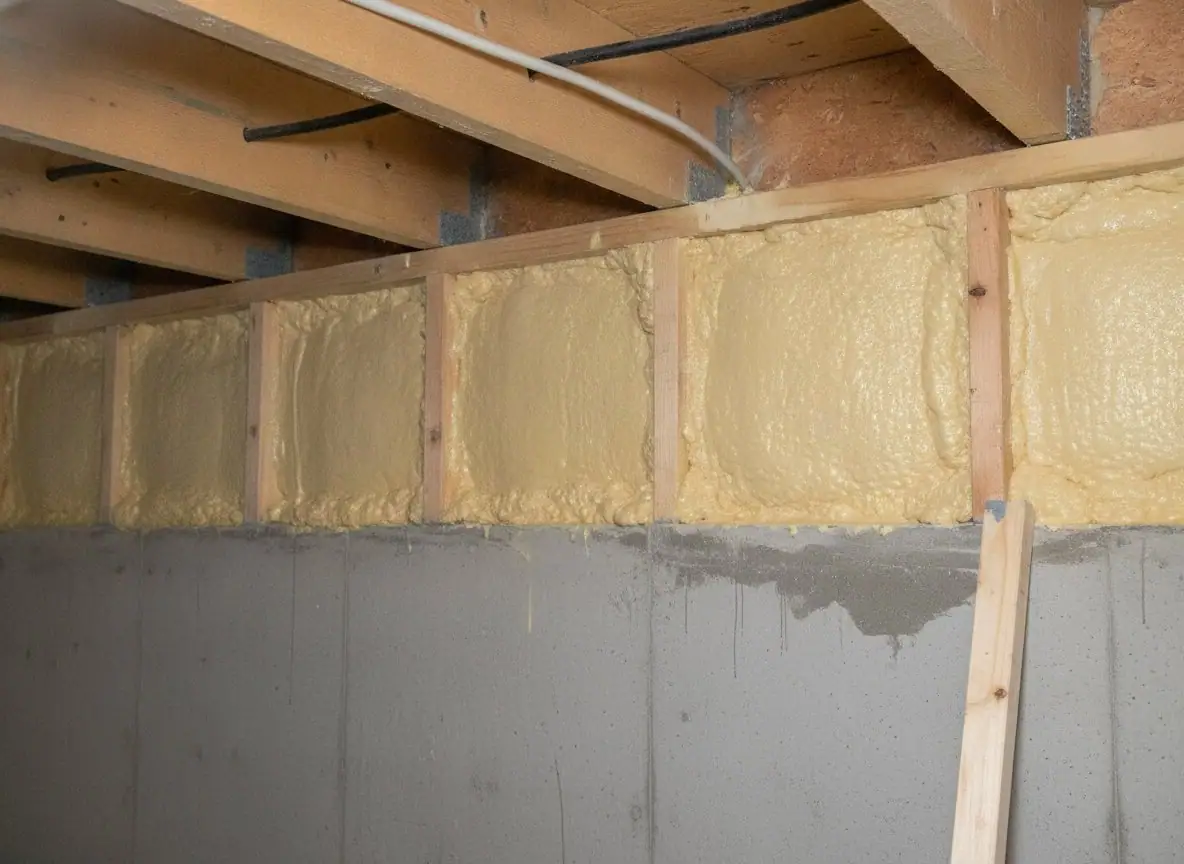
Understanding Blown-In Insulation
Blown-in insulation — also referred to as loose-fill insulation — has been used in residential and commercial construction since the mid-twentieth century. The method became widely adopted in California during the 1970s energy crisis, when federal and state incentives pushed homeowners and contractors to retrofit older homes that had been built with little to no attic insulation. Today, blown-in insulation remains one of the most popular and cost-effective insulation upgrades available for both new construction and retrofit applications.
The process involves using a blowing machine connected to a flexible hose to distribute loose insulation material into a designated space. The material is fed from large bags into a hopper, broken apart by a shredder inside the machine, and then conveyed through the hose by a powerful fan. A trained technician directs the hose to ensure even coverage and proper depth throughout the installation area.
Read moreShow less
There are two primary materials used in blown-in applications:
- Cellulose: Made from recycled paper treated with fire-retardant chemicals, cellulose achieves an R-value of approximately R-3.2 to R-3.8 per inch. It is particularly effective in older Signal Hill homes where irregular framing and settled existing insulation create uneven surfaces.
- Fiberglass Loose-Fill: Composed of fine glass fibers, this material achieves R-2.2 to R-2.7 per inch and is highly resistant to moisture absorption — an important consideration given Signal Hill’s coastal proximity and marine layer conditions.
In Signal Hill, blown-in insulation is especially prevalent in the city’s aging housing stock. A significant portion of residential structures were built between 1940 and 1975, a period when California building codes required minimal insulation — often less than R-11 in attic spaces. Current California Title 24 energy standards require a minimum of R-38 for attic insulation in Climate Zone 8, which encompasses Signal Hill. This means the majority of older Signal Hill homes are dramatically under-insulated by modern standards.
The technique is equally applicable to single-family detached homes, attached townhomes, and the small multi-unit residential buildings that are common throughout Signal Hill’s denser blocks near Cherry Avenue and Atlantic Avenue. Learn more about our attic insulation services
Why Blown-In Insulation Is Needed in Signal Hill, CA
The Signal Hill Microclimate
Signal Hill sits in California Climate Zone 8, characterized by mild, dry summers and cool, wet winters with strong coastal influence. The city’s elevation amplifies wind exposure significantly. Afternoon westerly winds regularly reach 15 to 25 mph along the hilltop, compared to 5 to 10 mph in the flatlands of Long Beach below. This persistent wind pressure forces unconditioned air through every gap, crack, and thermal bridge in a home’s envelope — dramatically increasing heating and cooling loads in buildings with inadequate insulation.
Marine layer fog, which rolls in from the Pacific Ocean through the San Pedro Bay, regularly blankets Signal Hill overnight and into morning hours. This moisture-laden air raises relative humidity levels, which can degrade fiberglass batt insulation over time. Blown-in cellulose and blown-in fiberglass both maintain their thermal performance better under these cyclical humidity conditions than standard batt products.
Aging Housing Stock and Energy Code Gaps
The oil derrick era of Signal Hill — which ran from the 1921 discovery well through the mid-twentieth century — shaped the city’s development patterns. As oil production wound down, residential construction surged between 1945 and 1965. Neighborhoods like the blocks surrounding Willow Street and the residential streets near Temple Avenue were largely built during this period, with attic insulation levels of R-0 to R-11. These homes are now 60 to 80 years old, and whatever insulation was originally installed has settled, compacted, or degraded significantly.
A home built in 1955 with original R-11 blown-in insulation may now have an effective R-value as low as R-7 or R-8 due to settling. California’s current Title 24 minimum of R-38 for Climate Zone 8 means these homes are operating at roughly 20 percent of the required thermal performance.
Energy Costs and HVAC Load
Signal Hill residents are served by Southern California Edison for electricity. SCE’s tiered rate structure means that homes with inadequate insulation pay disproportionately higher rates as their HVAC systems run longer to compensate for thermal losses. Studies from the California Energy Commission have consistently shown that attic insulation upgrades in Climate Zone 8 can reduce annual cooling and heating energy costs by 15 to 25 percent, with payback periods of three to seven years depending on the home’s starting condition.
Seismic Activity and Structural Settling
Signal Hill sits near the Newport-Inglewood Fault Zone, and the area experiences regular minor seismic activity. The Whittier Narrows earthquake of October 1, 1987, and the Northridge earthquake of January 17, 1994, both affected structures throughout the Long Beach–Signal Hill area. Repeated seismic movement causes settling in older blown-in insulation and can open gaps in batt insulation systems, reducing effective coverage. Homeowners in Signal Hill should treat seismic events as a trigger for insulation inspection. Learn about our insulation removal and replacement services
Free, no-obligation estimates
Talk to Clear Price Attic Insulation
Tell us what you need and we’ll take it from there.
Signs You Need Blown-In Insulation in Signal Hill
Energy Performance Warning Signs
- Monthly SCE electricity bills consistently 20 percent or more above the California statewide average for your home size
- HVAC system running nearly continuously during Signal Hill’s warm Santa Ana wind events in September and October
- Uneven temperatures between upstairs and downstairs rooms — a common sign of attic heat transfer
- Rooms facing west or northwest feeling significantly hotter in the afternoon due to radiant heat transfer through an under-insulated attic
Physical and Visual Signs
- Visible attic insulation depth below 10 inches — current R-38 standards require approximately 10 to 14 inches of blown-in material depending on the product
- Existing insulation that appears gray, compressed, or dusty rather than fluffy and uniform
- Daylight visible through attic vents suggesting unsealed gaps around framing
- Moisture stains or discoloration on existing insulation, which is common in homes near Signal Hill’s hilltop fog zone
Urgency Indicators
- Home built before 1978 with no documented insulation upgrades
- Recent rodent activity in the attic — animal nesting destroys insulation rapidly and requires removal before new blown-in material is installed
- Selling or purchasing a Signal Hill property where the home inspection notes inadequate attic insulation
Learn about our attic cleaning services before insulation installation
Our process
Our Blown-In Insulation Process in Signal Hill
Clear Price Attic Insulation follows a structured, transparent installation process designed for the specific conditions found in Signal Hill homes.
- 01
Free On-Site Assessment (1–2 Hours)
A technician visits your Signal Hill property to measure current insulation depth at multiple points across the attic floor, identify air-sealing needs around recessed lights, plumbing penetrations, and HVAC ducts, and assess attic access dimensions. Many Sign
- 02
Pre-Installation Air Sealing (2–4 Hours)
Before any blown-in material is installed, our technicians seal all major air bypasses using expanding foam and caulk. This step is critical in Signal Hill’s wind-exposed homes. Skipping air sealing and simply adding blown-in material is one of the most common
- 03
Attic Preparation and Protection (30–60 Minutes)
We protect attic access hatches, install temporary baffles at eave vents to maintain ventilation channels, and mark existing electrical junction boxes to ensure they remain accessible after installation.
- 04
Blown-In Material Installation (2–4 Hours)
Using commercial-grade blowing equipment, our technicians install blown-in insulation to a depth calibrated to achieve R-38 or higher per California Title 24 requirements for Climate Zone 8. We use depth markers placed throughout the attic to ensure consistent
- 05
Depth and Coverage Verification (30 Minutes)
A second technician independently verifies coverage depth at a minimum of twelve measurement points across the attic. This quality-control step ensures no cold spots remain, particularly in the eave areas that are common problem zones in Signal Hill’s hip-roof
- 06
Cleanup and Final Walkthrough (30–60 Minutes)
We remove all equipment, bag and remove material debris, and walk the homeowner through the completed installation, explaining what was installed, the R-value achieved, and any maintenance considerations specific to their home. Total typical project timeline:
Blown-In Insulation Methods and Approaches
Open-Blow Attic Application
This is the standard method for open attic floors in Signal Hill homes. Loose-fill material is blown freely across the attic floor joists to a uniform depth. It is ideal for the ranch-style and bungalow homes common in Signal Hill’s residential neighborhoods, where attic floors are accessible and relatively open.
Dense-Pack Wall Insulation
Dense-pack blown-in insulation fills existing wall cavities through small drilled holes in the exterior siding or interior drywall. This method is particularly valuable in Signal Hill’s older homes where original wall cavities are completely empty. Dense-pack cellulose is installed at 3.0 to 3.5 lbs per cubic foot to prevent settling over time.
Stabilized Blown-In for Sloped Ceilings
Some Signal Hill properties — particularly the contemporary infill homes built since 2000 near the city’s western slopes — feature cathedral ceilings or complex roof lines. Stabilized blown-in insulation uses a light adhesive mist mixed with the insulation material to prevent it from shifting or falling out of enclosed rafter bays.
Blown-In Blanket System (BIBS)
The BIBS method installs a fabric netting over open framing bays before blowing insulation behind it under pressure, creating a uniform blanket of dense material. This approach is used in new construction additions to Signal Hill homes where open framing is accessible before drywall installation.
Compare blown-in insulation with our spray foam insulation services
Blown-In Insulation Cost in Signal Hill, CA
Understanding the actual cost of blown-in insulation in Signal Hill requires accounting for local labor rates, material costs, and the specific conditions common in this area’s housing stock.
Typical Price Ranges
- Attic blown-in insulation (open-blow): $1.50 to $2.50 per square foot installed, including materials and labor. For a typical Signal Hill home with 1,000 to 1,400 square feet of attic space, total project costs typically range from $1,500 to $3,500.
- Dense-pack wall insulation: $2.00 to $4.00 per square foot, reflecting the additional labor involved in drilling and patching. A full exterior wall treatment on a 1,500-square-foot Signal Hill home typically runs $3,000 to $6,000.
- Crawl space blown-in insulation: $1.75 to $3.00 per square foot. Learn more about crawl space insulation options
Read moreShow less
Factors That Affect Your Signal Hill Project Cost
- Existing insulation removal: If degraded or contaminated insulation must be removed before new material is installed, add $1.00 to $2.00 per square foot for removal and disposal.
- Attic access difficulty: Many Signal Hill homes built in the 1940s–1960s have access hatches smaller than 22 x 30 inches, increasing labor time and cost.
- Air sealing scope: Homes with many recessed light fixtures, as found in Signal Hill’s renovated mid-century homes, require more extensive pre-installation air sealing.
- Target R-value: Upgrading to R-49 or R-60 for maximum performance adds material cost but improves long-term energy savings.
Available Incentives
Southern California Edison offers rebates for qualifying insulation upgrades through its Energy Efficiency programs. Signal Hill homeowners may qualify for rebates of $0.10 to $0.15 per square foot for attic insulation upgrades meeting Title 24 requirements. Contact us for help navigating current incentive availability.
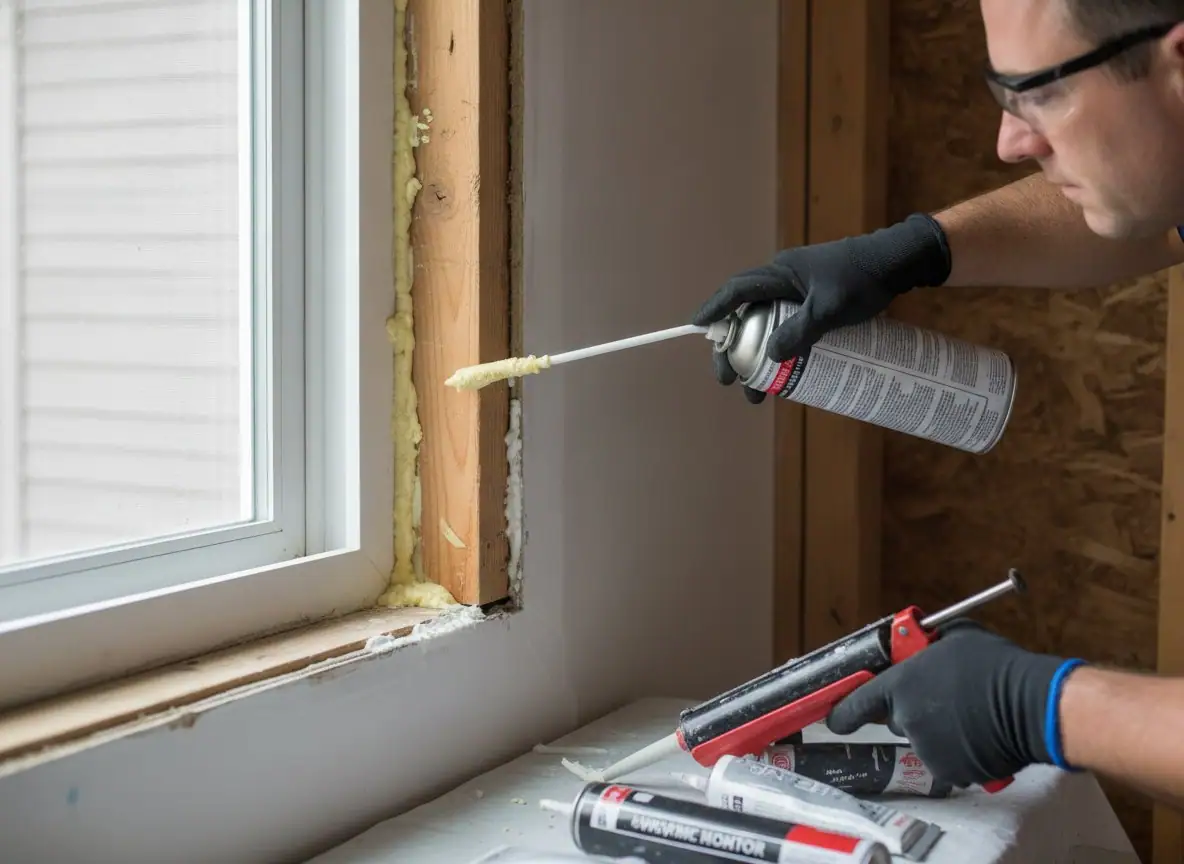
Signal Hill Neighborhoods We Serve
Hilltop Residential Core (Cherry Avenue Corridor)
The dense residential blocks surrounding Cherry Avenue represent Signal Hill’s oldest and most established neighborhood. Homes here were predominantly built between 1945 and 1965 and feature minimal original insulation. The hilltop elevation in this area means wind exposure is highest, making blown-in insulation upgrades particularly impactful on energy bills.
Temple Avenue and East Signal Hill
The eastern slopes of Signal Hill feature a mix of 1950s single-family homes and 1980s–1990s townhome developments. Older single-family homes often have completely empty wall cavities, while the townhome complexes frequently have settled and degraded blown-in insulation from original construction. Dense-pack wall insulation is a common service in this area.
West Willow Street Corridor
The northern edge of Signal Hill along Willow Street includes some of the city’s most recently constructed infill housing, built primarily after 2005. These newer homes more frequently meet Title 24 minimums but may benefit from above-code upgrades to R-49 or R-60 attic insulation for maximum energy performance.
Spring Street Commercial-Residential Transition Zone
The blocks near Spring Street include mixed residential and light commercial properties, some of which were converted from commercial to residential use. These structures often have non-standard attic configurations requiring specialized blown-in approaches.
Blown-In Insulation Maintenance Tips for Signal Hill Homeowners
- Annual visual inspection: Check attic insulation depth every fall before Signal Hill’s cooler season. Look for areas where depth appears to have decreased or where the surface appears compacted.
- Post-seismic inspection: After any earthquake of 4.0 magnitude or greater felt in the Signal Hill area, inspect your attic for insulation displacement or gaps that may have opened near the eaves.
- Moisture monitoring: Given Signal Hill’s marine layer exposure, check for moisture staining or clumping in insulation near the eaves each spring. Wet insulation loses R-value and should be replaced.
- Rodent exclusion maintenance: Inspect exterior foundation vents and roof eave gaps annually. Rodent intrusion is the single leading cause of insulation damage in Signal Hill homes. Learn about our rodent proofing services
- Attic ventilation check: Ensure soffit and ridge vents remain unblocked. In Signal Hill’s windy conditions, debris can accumulate in ventilation channels, trapping moisture in attic insulation.
- HVAC duct sealing: Leaky attic ducts can redistribute blown-in insulation unevenly over time. Have ducts inspected when you schedule your insulation inspection.
- Keep attic access sealed: An unsealed attic hatch is equivalent to a 10-square-inch hole in your thermal envelope — a significant problem in Signal Hill’s wind-exposed homes.
Why Choose Clear Price Attic Insulation in Signal Hill
Clear Price Attic Insulation is a professional insulation contractor with deep familiarity with the specific demands of Signal Hill’s housing stock, microclimate, and energy code requirements. We serve Signal Hill exclusively within the South Bay and Long Beach service region, which means our technicians understand the difference between working in a hilltop 1950s bungalow versus a newer infill townhome — and we adapt our approach accordingly.
Our name reflects our commitment to transparent, itemized pricing. We do not use vague estimates or bait-and-switch pricing. When we provide a quote for blown-in insulation in Signal Hill, you receive a line-by-line breakdown of materials, labor, and any preparatory work required — before we begin.
Read moreShow less
We perform the full scope of insulation services under one roof: insulation removal, attic cleaning, fiberglass insulation, and spray foam insulation — so you never need to coordinate multiple contractors for a complete attic upgrade.
Our technicians are trained to California Title 24 standards and familiar with SCE energy efficiency rebate documentation requirements. Call us at 562-784-7649 to speak directly with a Signal Hill insulation specialist.
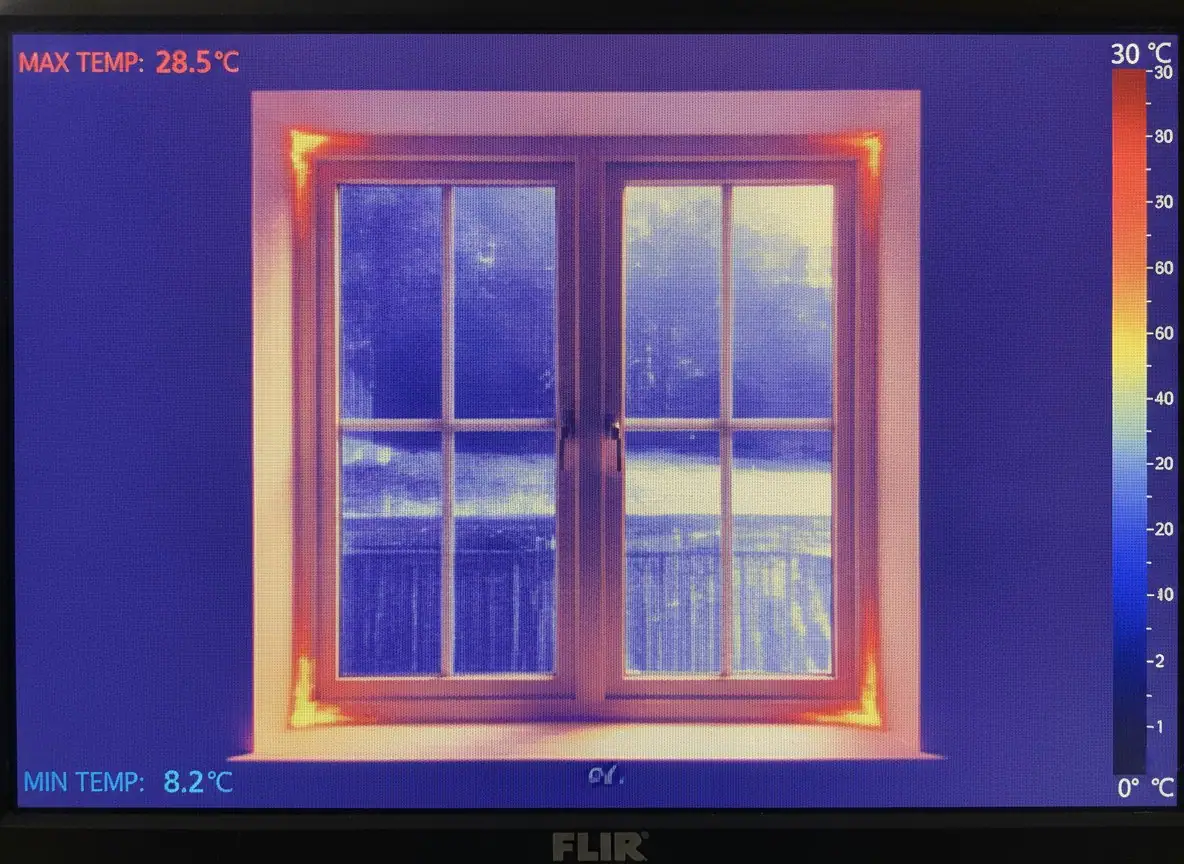
FAQ
Frequently Asked Questions About Blown-In Insulation in Signal Hill, CA
How much does blown-in insulation cost in Signal Hill, CA?
For attic applications, most Signal Hill homeowners pay between $1,500 and $3,500 for a standard single-family home, depending on attic square footage, current insulation conditions, and the extent of air sealing required. Homes with pre-existing insulation damage or rodent contamination may require removal services first, which adds to the overall cost. We provide free on-site estimates with itemized pricing.
How long does blown-in insulation installation take in a typical Signal Hill home?
Most Signal Hill residential blown-in insulation projects are completed in a single day. Smaller homes with straightforward attic access may take four to six hours. Larger homes or projects requiring extensive pre-installation air sealing or insulation removal may require a full eight-hour workday. We schedule one-day completions for the vast majority of Signal Hill residential projects.
What R-value do I need for my Signal Hill attic?
Signal Hill is located in California Climate Zone 8. California Title 24 energy standards require a minimum of R-38 for attic insulation in this zone. We recommend R-49 for most Signal Hill homeowners as a cost-effective upgrade that significantly improves energy performance, particularly given the city’s elevated wind exposure. R-60 is available for homeowners seeking maximum efficiency.
Will blown-in insulation help with Signal Hill’s marine layer humidity?
Yes. Both cellulose and fiberglass blown-in insulation maintain their thermal performance under the cyclical humidity conditions created by Signal Hill’s marine layer far better than standard fiberglass batts, which can sag and lose contact with framing surfaces when exposed to repeated moisture cycles. Properly installed blown-in material with appropriate vapor management performs well in Signal Hill’s coastal climate conditions.
Can blown-in insulation be added on top of my existing insulation?
In many cases, yes. If your existing Signal Hill attic insulation is dry, undamaged, and free of rodent contamination, new blown-in material can be installed directly on top to bring total R-value up to current standards. If existing insulation is compacted, wet, contaminated, or infested, removal is recommended before new material is installed. Our assessment process evaluates this on a home-by-home basis.
Do I need a permit for blown-in insulation in Signal Hill?
Blown-in attic insulation typically does not require a building permit in Signal Hill for existing residential structures. However, if the project is part of a larger renovation or if you are claiming SCE energy efficiency rebates, documentation of the work may be required. We provide all necessary installation documentation, including R-value certification and material specifications.
How soon will I notice energy savings after blown-in insulation installation?
Most Signal Hill homeowners notice a difference in home comfort — specifically more even temperatures and less HVAC cycling — within the first week after installation. Measurable reductions in SCE energy bills typically become visible on the first full billing cycle after installation. Annual energy savings of 15 to 25 percent on heating and cooling costs are typical for Signal Hill homes upgrading from minimal or degraded insulation to R-38 or R-49.
Does Clear Price Attic Insulation service all of Signal Hill?
Yes. We serve the entire city of Signal Hill, including all residential neighborhoods from the hilltop core near Cherry Avenue to the Spring Street corridor, the Temple Avenue area, and all residential streets throughout the city. We also serve adjacent areas of Long Beach. Call 562-784-7649 to confirm service availability at your specific address.
Get Your Free Blown-In Insulation Estimate in Signal Hill Today
If your Signal Hill home is losing energy through an under-insulated attic, the solution is straightforward — and the results are immediate. Clear Price Attic Insulation provides professional blown-in insulation services tailored to Signal Hill’s unique climate, housing stock, and energy code requirements.
We offer free, no-obligation on-site assessments with transparent, itemized pricing. There are no vague estimates, no hidden fees, and no pressure. Just a clear explanation of what your home needs and exactly what it will cost.
Call us today at 562-784-7649 to schedule your Signal Hill insulation assessment. Our team is ready to help you reduce your SCE energy bills, improve year-round comfort, and bring your home up to California Title 24 standards with quality blown-in insulation installed right the first time.
Schedule your free Signal Hill insulation assessment online
Get in touch
Find insulation help near you
Request a free estimate online or give us a call — our team will follow up quickly.
- Call us(562) 784-7649
- Visit1653 E 28th St #6, Signal Hill, CA 90755
- HoursMon-Sun 07:00-19:00