
Cellulose Insulation in Signal Hill, CA
Energy-Saving Cellulose Insulation for Signal Hill, CA Homes — Licensed & Insured
Get professional cellulose insulation in Signal Hill, CA. Clear Price Attic Insulation offers attic blow-in, dense-pack & removal. Call (562) 784-7649 for a free quote.
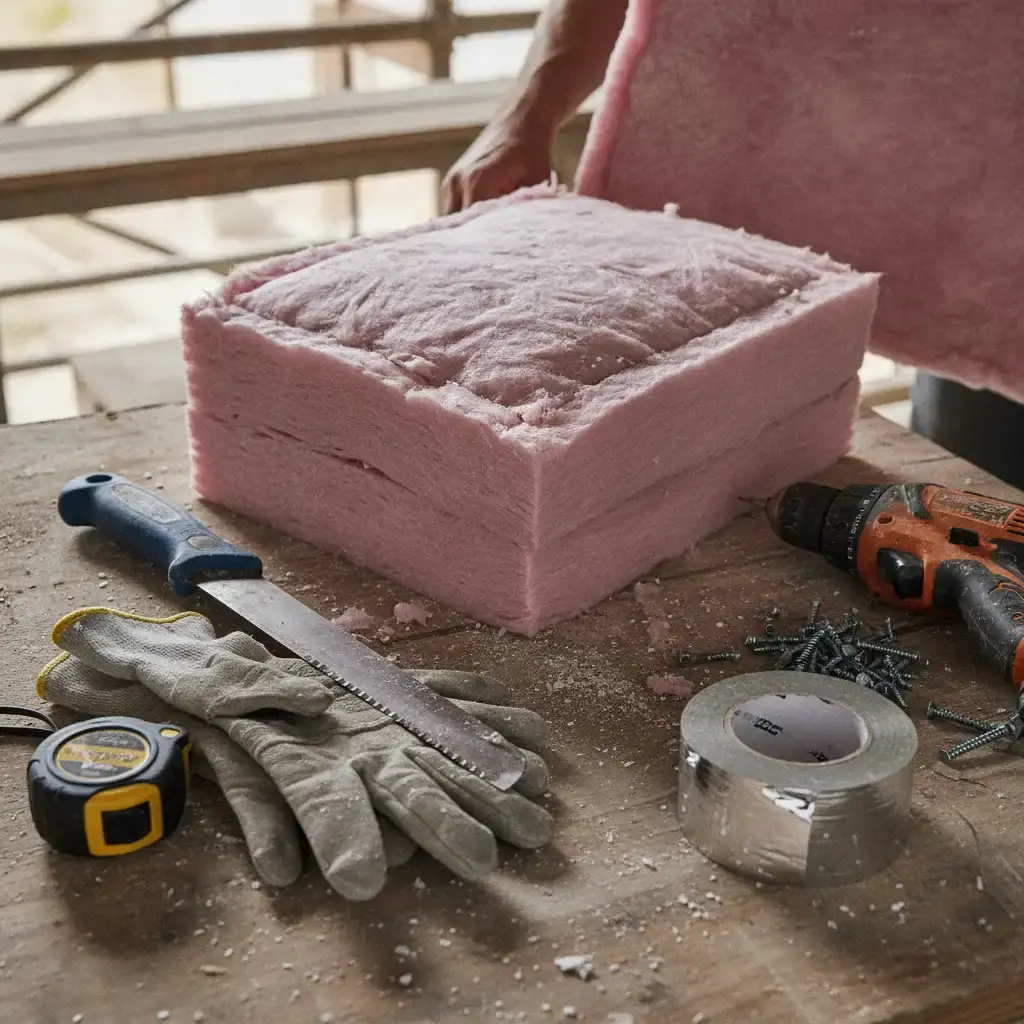
Cellulose insulation is a high-performance, eco-friendly insulating material made from recycled paper fiber and treated with fire-retardant compounds. It is blown or dense-packed into attic spaces, walls, and floors to create a continuous thermal barrier that dramatically reduces heat transfer and energy loss. For homeowners and property owners in Signal Hill, CA, cellulose insulation offers a particularly effective solution given the city’s unique combination of coastal marine influence, urban heat island pressures, and a dense stock of mid-century residential construction.
At Clear Price Attic Insulation, we specialize in delivering professional cellulose insulation installations tailored specifically to the building types, climate conditions, and energy code requirements found throughout Signal Hill and the surrounding communities of Long Beach, Lakewood, and Carson. Our team understands the local construction landscape and brings targeted expertise to every project, ensuring your home stays cooler in summer, warmer in winter, and more energy-efficient year-round. Call us today at (562) 784-7649 to schedule your free assessment.
Understanding Cellulose Insulation
Cellulose insulation has one of the longest track records of any insulating material in modern construction. First developed in the early 20th century as a cost-effective alternative to mineral wool and fiberglass batts, cellulose gained widespread adoption in the 1970s following the oil embargo, when energy conservation became a national priority. Today, cellulose is manufactured primarily from post-consumer recycled newsprint and cardboard — materials that would otherwise enter landfills — making it one of the most environmentally responsible insulation choices available.
The material achieves thermal resistance ratings (R-values) ranging from R-3.2 to R-3.8 per inch, which is competitive with standard fiberglass batts and superior in its ability to fill irregular cavities without gaps or voids. Unlike batt insulation, which must be cut and fitted around framing, wiring, and pipes, cellulose is blown in as loose fill, conforming perfectly to the unique geometry of each attic or wall cavity. This quality is critically important in Signal Hill, where a large portion of homes were built between the 1940s and 1970s and feature non-standard framing dimensions, added electrical work from multiple renovation eras, and attics that were partially converted or modified over the decades.
Read moreShow less
Beyond thermal performance, cellulose insulation also delivers meaningful soundproofing benefits — an important consideration for Signal Hill residents near the 405 and 710 freeway corridors. The dense, fibrous structure of cellulose absorbs airborne sound waves more effectively than fiberglass, reducing interior noise from traffic, aircraft, and neighboring properties. Additionally, the borate fire retardants used in cellulose treatment give it a Class I fire resistance rating, and the material has been shown to slow the spread of flames in attic fires when compared to non-treated alternatives.
In California’s Title 24 energy compliance framework, cellulose insulation is a fully recognized and frequently specified material. Homes throughout Los Angeles County, including those in Signal Hill, are subject to minimum R-value requirements for attic insulation — currently R-38 in most residential applications — and cellulose is a straightforward path to meeting or exceeding those thresholds. Learn more about our attic insulation services
Why Cellulose Insulation Is Needed in Signal Hill, CA
Signal Hill is a geographically compact yet climatically complex city. Sitting at elevations ranging from sea level at its western edges to approximately 365 feet at its historic summit, the city experiences a distinct microclimate shaped by marine layer intrusions off the Pacific Ocean, radiated heat from the heavily urbanized Long Beach basin below, and periodic Santa Ana wind events that drive temperatures into the high 90s and low 100s. This thermal variation — sometimes spanning 30 or more degrees Fahrenheit within a single week — places exceptional stress on under-insulated homes, causing HVAC systems to work overtime and energy bills to spike dramatically.
The marine layer that rolls in from the Pacific during the June Gloom season — typically May through July — creates high ambient humidity levels in Signal Hill’s lower neighborhoods near Cherry Avenue and Willow Street. This persistent moisture can degrade older fiberglass batt insulation over time, causing it to sag, clump, and lose R-value. Cellulose insulation, when properly installed with appropriate vapor management, resists moisture-related performance loss more effectively than fiberglass batts in these microclimatic conditions.
Read moreShow less
Signal Hill’s housing stock presents another layer of urgency. The majority of single-family homes in the city were constructed between 1945 and 1975, during an era when insulation standards were minimal or nonexistent. Many homes built in the Hilltop Drive and Temple Avenue neighborhoods feature original attic insulation that has compressed, settled, or been contaminated by rodent activity — particularly from roof rats, which are endemic to the Long Beach–Signal Hill urban corridor. Compressed insulation that began at R-19 may perform at R-10 or below after decades of settling and pest activity, providing almost no meaningful thermal protection.
The city also sits within a region that experienced record-breaking heat events, including the September 2022 California heat wave that pushed temperatures in the Long Beach–Signal Hill area to 105°F — a level that overwhelmed poorly insulated homes and led to widespread power outages as grid demand peaked. Homeowners who had upgraded to cellulose insulation prior to that event reported significantly more stable interior temperatures and reduced reliance on air conditioning at critical peak hours.
Furthermore, Signal Hill’s position near the ports of Long Beach and Los Angeles means elevated diesel particulate matter and fine dust in the air, which can infiltrate poorly sealed attics and reduce indoor air quality. Cellulose insulation installed via dense-pack methods effectively reduces air infiltration pathways, helping to keep pollutants outside where they belong. For families in neighborhoods along Atlantic Avenue and Spring Street, this air-sealing benefit is particularly valuable. Learn about our insulation removal and replacement services
Free, no-obligation estimates
Talk to Clear Price Attic Insulation
Tell us what you need and we’ll take it from there.
Signs You Need Cellulose Insulation in Signal Hill
Energy and Comfort Indicators
- Monthly energy bills that have increased more than 15% year-over-year without a change in usage habits
- Rooms on the top floor of your home that are consistently 5–10°F warmer than lower levels during summer
- HVAC system running almost continuously during Signal Hill’s Santa Ana wind events or summer heat waves
- Drafts felt near electrical outlets, recessed light fixtures, or attic access hatches
Physical and Visual Symptoms
- Existing attic insulation that appears gray, matted, or less than 10 inches deep (indicating significant R-value loss)
- Visible gaps, compressed sections, or missing batts in attic insulation
- Evidence of rodent nesting or droppings within the insulation material
- Water stains or discoloration on attic insulation indicating past or ongoing moisture intrusion
Urgency Indicators
- Your home was built before 1978 and has never had an insulation upgrade
- A home energy audit or Title 24 assessment has flagged your attic as below current California code minimums
- You are preparing to sell and want to meet disclosure standards or increase appraised value
Our process
Our Cellulose Insulation Process in Signal Hill
- 01
Free On-Site Assessment (1–2 Hours)
We begin every project with a thorough on-site evaluation of your attic or wall cavities. Our technician measures current insulation depth, calculates existing R-values, checks for air leaks around penetrations, and identifies any moisture, mold, or pest conta
- 02
Insulation Removal If Required (Half to Full Day)
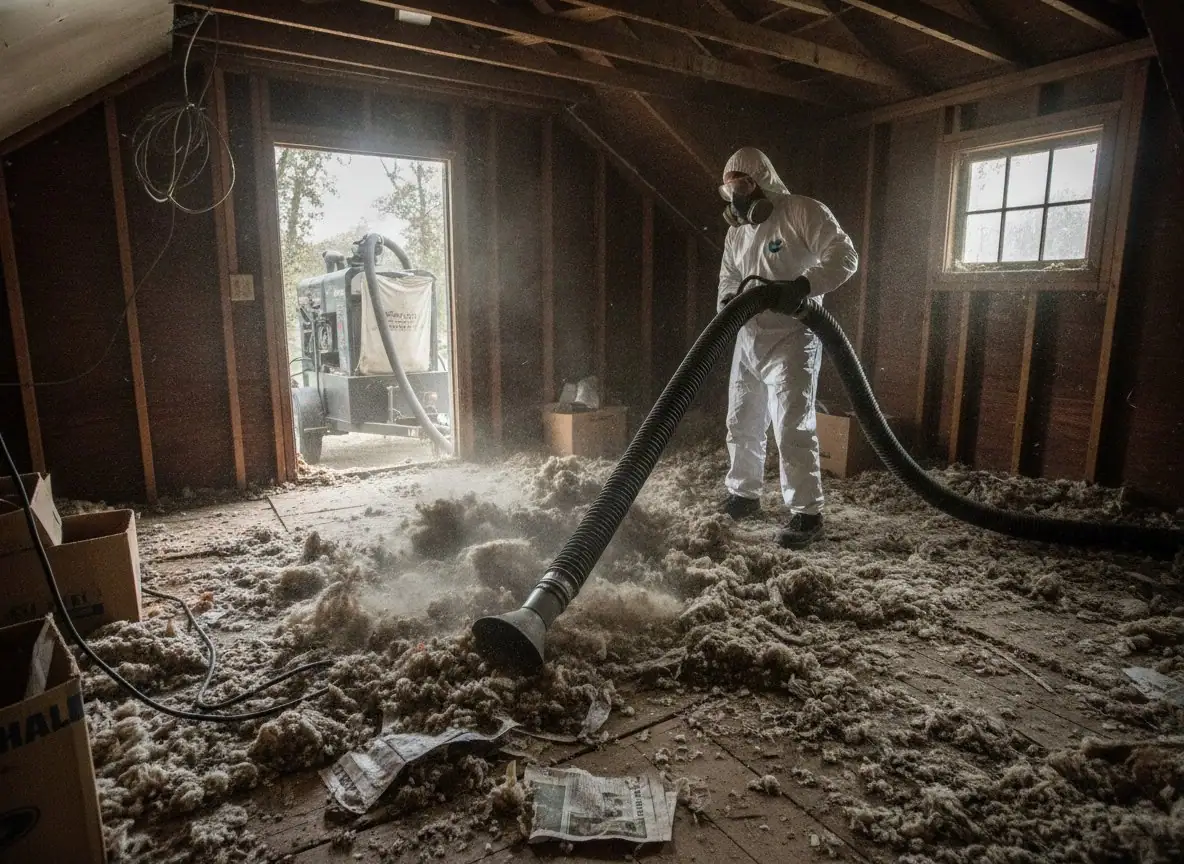
If existing insulation is contaminated, severely compressed, or water-damaged, we perform complete removal using HEPA-equipped vacuum trucks before any new material is installed. This step is essential in many older Signal Hill properties where original 1950s-
- 03
Air Sealing and Preparation (2–4 Hours)
Before cellulose is installed, we seal all attic air leakage points — including top plates, electrical penetrations, recessed lighting cans, and HVAC duct boots — using foam sealant and fire-rated caulk. This step can reduce air infiltration by 30–40%, indepen
- 04
Baffle Installation (1–2 Hours)
Ventilation baffles are installed at each rafter bay to ensure soffit-to-ridge airflow is preserved after cellulose is blown in. This is particularly important in Signal Hill’s coastal-adjacent climate, where attic moisture management depends on consistent cro
- 05
Cellulose Installation (2–4 Hours)
Using truck-mounted blowing equipment, we install cellulose to the depth required to achieve your target R-value — typically R-38 to R-60 for Signal Hill attics depending on project goals and existing framing. Depth gauges are placed throughout the attic to en
- 06
Final Inspection and Documentation (30–60 Minutes)
We photograph completed work, measure final depths at multiple points, and provide you with documentation of installed R-value for your records, permit files, or any California utility rebate applications.
Cellulose Insulation Methods and Approaches
Loose-Fill Blown-In Cellulose
The most common application for Signal Hill attics, loose-fill cellulose is blown freely over the attic floor to a specified depth. This method excels in open, accessible attics and achieves excellent coverage around existing framing, wiring, and mechanical equipment. It is ideal for homes in Signal Hill’s hilltop neighborhoods where attics are fully accessible and relatively clear of obstructions. Explore our blow-in insulation services
Dense-Pack Cellulose
Dense-pack involves injecting cellulose into enclosed wall cavities or enclosed rafter bays at densities of 3.5 pounds per cubic foot or higher. This method virtually eliminates settling and provides superior air-sealing performance. It is particularly well-suited for Signal Hill’s older wood-frame homes where wall cavities were never originally insulated and exterior wall surfaces cannot be disturbed.
Stabilized or Spray-Applied Cellulose
For sloped cathedral ceilings or attic floors where the material might shift during application, cellulose can be lightly mixed with water and adhesive and spray-applied to achieve a self-supporting installation. This approach is used selectively on Signal Hill properties with complex rooflines or partially vaulted ceiling sections common in 1960s ranch-style homes.
Combined Cellulose and Spray Foam Systems
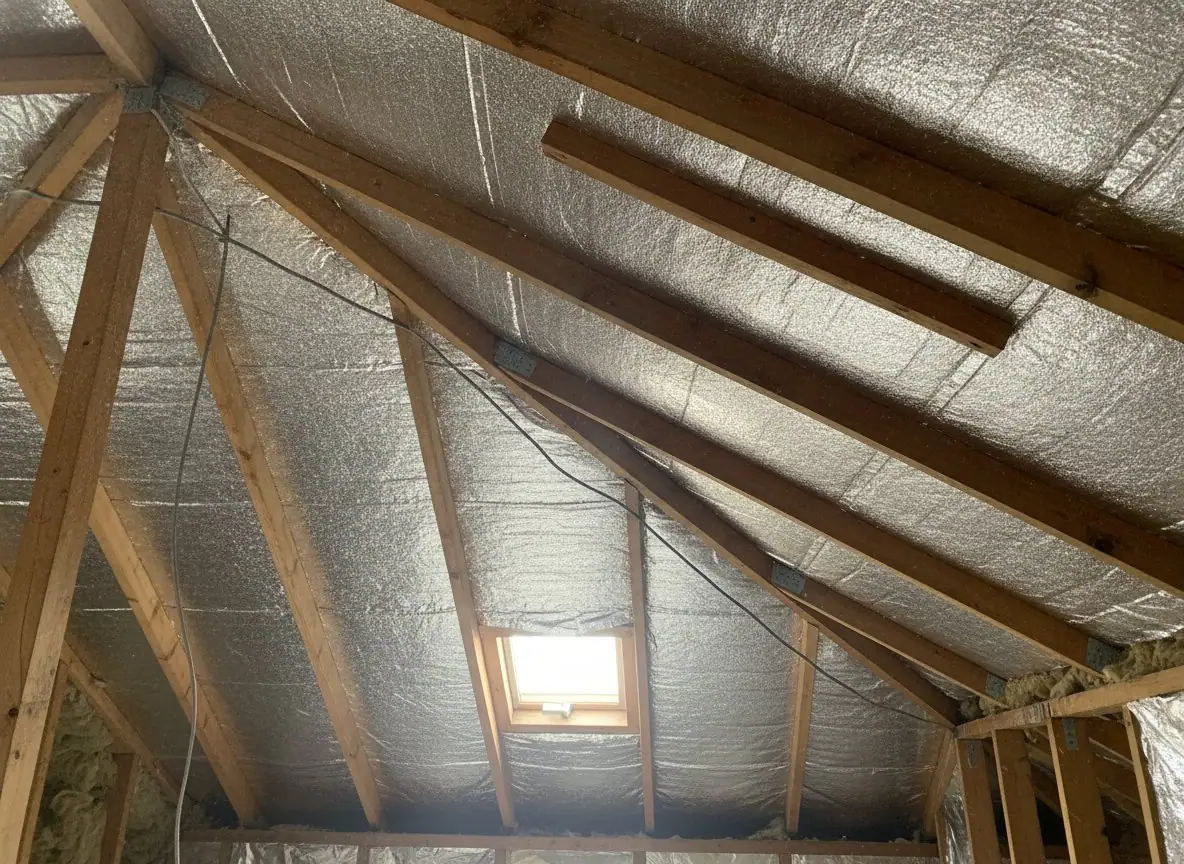
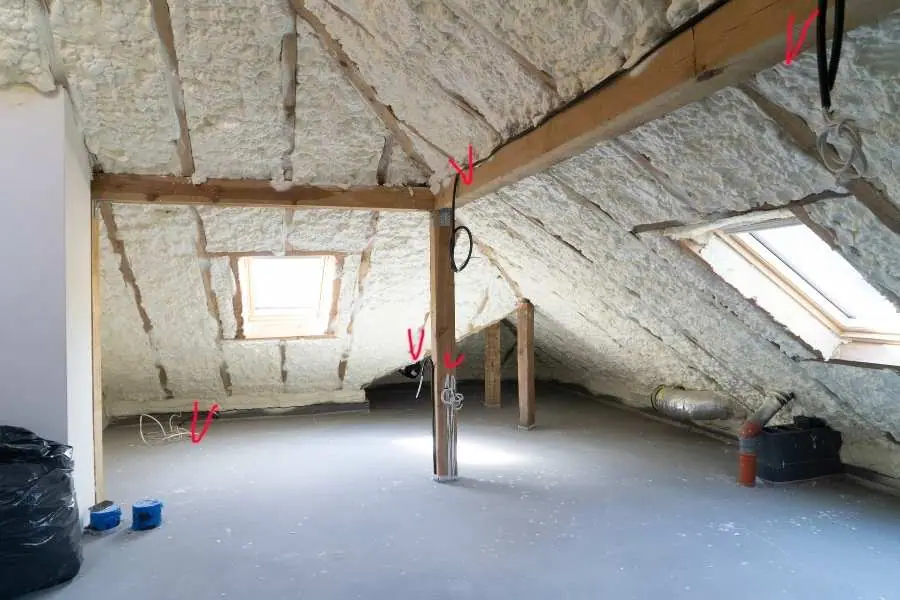
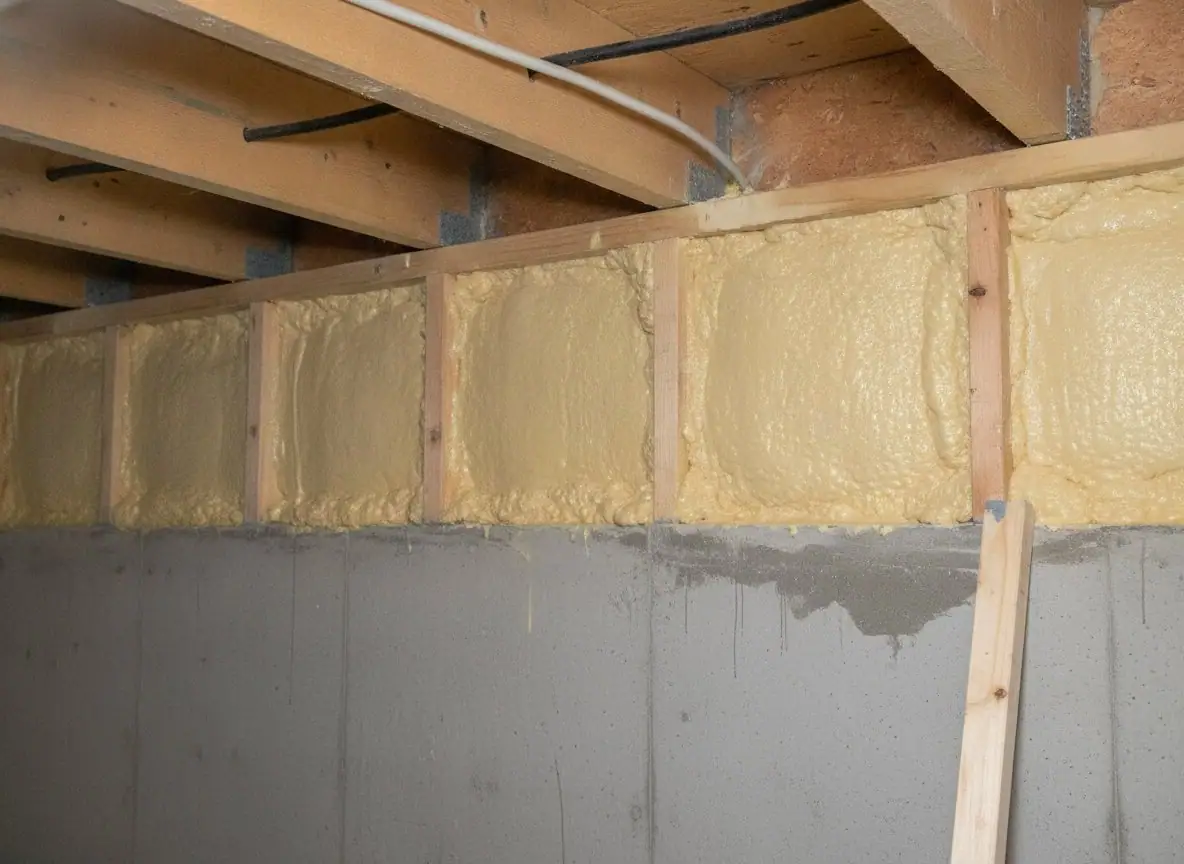
In some Signal Hill applications, we pair a thin layer of closed-cell spray foam at the attic deck or rim joists for maximum air sealing and vapor control, then top with blown cellulose to reach the desired R-value. This hybrid approach is especially effective for homes near the coastal edge of Signal Hill where humidity management is critical. Learn about our spray foam insulation options
Learn moreCellulose Insulation Cost in Signal Hill, CA
Understanding the cost of cellulose insulation helps Signal Hill homeowners plan their projects with confidence. Below are typical price ranges based on real-world project data from the Signal Hill and Long Beach service area:
Typical Cost Ranges
- Attic loose-fill cellulose (per square foot): $1.50–$2.50, depending on target R-value and current insulation depth
- Average 1,200 sq ft attic project: $1,800–$3,200 installed
- Dense-pack wall cavity insulation (per square foot of wall): $2.00–$4.00
- Full insulation removal and replacement: $3,500–$6,500 for a typical Signal Hill single-family home
- Air sealing add-on: $300–$800 depending on attic complexity
Key Cost Factors
- Attic access: Signal Hill homes with low-pitch roofs or restricted hatch access may require additional labor time
- Existing insulation condition: Contaminated material requiring removal adds $0.75–$1.50 per square foot
- Target R-value: Upgrading to R-60 costs approximately 25–35% more than a basic R-38 installation
- Home age and framing complexity: Pre-1960 Signal Hill homes with irregular framing add labor time and cost
Read moreShow less
Available Incentives
Southern California Edison and SoCalGas both offer rebates for qualifying insulation upgrades in the Signal Hill service area, potentially reducing net project cost by $200–$500. California’s Title 24 compliance can also unlock low-interest PACE financing. Contact us for current rebate availability and assistance with applications. View detailed cellulose insulation cost information
Signal Hill Neighborhoods We Serve
Hilltop Estates and Temple Avenue Corridor
This elevated central zone features some of Signal Hill’s oldest residential properties, many built in the 1940s and 1950s on lots that once surrounded active oil derricks. Homes here frequently have original blown-in insulation that has settled to minimal depths and require full removal before new cellulose can be installed effectively.
Cherry Avenue and 19th Street Area
A mix of post-war bungalows and 1970s-era apartment conversions characterizes this western edge of Signal Hill. Properties here sit at lower elevations and experience higher marine layer humidity exposure, making moisture-resistant cellulose installation techniques especially important.
Walnut Avenue and Junipero Avenue Residential Zone
This neighborhood features a higher concentration of 1960s ranch-style single-family homes with low-slope roofs and often-inadequate original attic insulation. Dense-pack wall insulation is frequently needed alongside attic cellulose upgrades in these properties.
Atlantic Avenue Corridor
Commercial and mixed-use properties along Atlantic Avenue, as well as adjacent residential parcels, face elevated traffic noise and air quality concerns from the heavily traveled arterial. Cellulose insulation here delivers dual benefits of thermal efficiency and meaningful sound attenuation.
Cellulose Insulation Maintenance Tips for Signal Hill Homeowners
- Inspect attic access annually: Check that the attic hatch is properly weatherstripped and that cellulose has not shifted or settled near the opening — a common issue in Signal Hill homes with frequently accessed attics.
- Monitor for roof leaks after winter rain events: Los Angeles County receives most of its annual rainfall between November and March. Inspect attic insulation after significant storms for water staining or wet clumping.
- Check soffit vents each spring: Debris, bird nests, and insect activity can block soffit vents critical to attic moisture control in Signal Hill’s coastal-adjacent climate.
- Arrange pest inspections every 2–3 years: Roof rats are active throughout the Signal Hill–Long Beach urban area and can damage and contaminate cellulose insulation quickly if entry points are not sealed.
- Avoid storing heavy items on attic insulation: Compressing cellulose with storage boxes or equipment reduces R-value significantly — use raised flooring platforms if attic storage is necessary.
- Re-evaluate insulation depth after HVAC replacements: New HVAC equipment installation can disturb existing cellulose coverage. Always request a depth check after any attic mechanical work.
- Apply for utility rebates proactively: Southern California Edison periodically updates its rebate thresholds — check annually to capture available incentives for insulation top-ups to higher R-values.
Why Choose Clear Price Attic Insulation in Signal Hill
At Clear Price Attic Insulation, we have built our reputation in Signal Hill and the greater Long Beach area on a single principle: transparent, honest pricing with no hidden fees and no pressure tactics. When we provide a quote, we stand behind it completely — you will never receive a surprise invoice after the work is done. Our name reflects that commitment.
Our technicians are specifically trained on the building types, climate conditions, and energy code requirements unique to Los Angeles County and the Signal Hill microclimate. We understand the difference between a 1950s Hilltop bungalow and a 1970s Cherry Avenue ranch home, and we tailor our installation approach accordingly rather than applying a one-size-fits-all solution.
Read moreShow less
We carry full liability insurance and operate in compliance with California contractor requirements throughout our service territory. Our team handles the entire project scope — from initial assessment through insulation removal, air sealing, and final installation — so you never need to coordinate between multiple contractors. We also assist customers in navigating available Southern California Edison and SoCalGas rebate programs to help reduce total project cost.
Call us at (562) 784-7649 and speak directly with a local expert today. Schedule your free Signal Hill insulation assessment
FAQ
Frequently Asked Questions About Cellulose Insulation in Signal Hill, CA
How much does cellulose insulation cost in Signal Hill?
For a typical Signal Hill single-family home attic of 1,000–1,500 square feet, cellulose insulation installation runs approximately $1,800–$3,500 depending on target R-value, current insulation condition, and attic accessibility. If old insulation removal is required first, total project cost typically ranges from $3,500–$6,500. We provide firm, itemized quotes at no charge before any work begins.
How long does cellulose insulation installation take in Signal Hill?
Most attic cellulose insulation projects in Signal Hill are completed within a single day. An average 1,200 square foot attic with air sealing and installation typically takes 4–6 hours total. Projects requiring prior insulation removal may extend to a full day or require two separate appointments.
Is cellulose insulation safe for Signal Hill homes built before 1978?
Yes. Cellulose insulation itself does not contain hazardous materials. However, in Signal Hill homes built before 1978, we recommend a pre-project asbestos inspection of existing insulation before removal, as some vermiculite and early batt products from that era may contain trace asbestos. We can advise you on appropriate testing procedures before we begin any removal work.
Will cellulose insulation help with the noise from the 405 and 710 freeways near Signal Hill?
Cellulose insulation provides meaningful sound attenuation, particularly for mid-frequency traffic noise. Dense-pack cellulose in exterior wall cavities can reduce sound transmission through walls by 3–5 STC points compared to empty cavities. While insulation alone cannot eliminate freeway noise, it is an effective component of a broader soundproofing strategy for Signal Hill homes near the freeway corridors.
How does Signal Hill’s marine layer affect cellulose insulation performance?
Properly installed cellulose insulation handles typical coastal marine layer humidity well without performance degradation. The borate treatments used in modern cellulose also provide mold resistance. The key is proper attic ventilation — we assess and address soffit and ridge vent adequacy on every Signal Hill project to ensure moisture can escape the attic space rather than accumulate within the insulation.
Does cellulose insulation qualify for California utility rebates in Signal Hill?
Yes. Signal Hill is within the Southern California Edison and SoCalGas service territories, both of which offer rebates for qualifying insulation upgrades. Rebate amounts vary by program year and project specifics, but typically range from $200–$500 for standard attic insulation upgrades. We assist our Signal Hill customers with rebate documentation as part of every project.
How often does cellulose insulation need to be replaced in Signal Hill?
Quality cellulose insulation installed by professionals under normal conditions can last 20–30 years or more. The primary reasons for earlier replacement in Signal Hill homes are rodent contamination, roof leak moisture damage, and severe settling in poorly installed older applications. Annual attic inspections help identify emerging issues before they require full replacement.
Do I need a permit for cellulose insulation installation in Signal Hill?
Most standard attic insulation installations in Signal Hill do not require a building permit. However, if your project involves significant structural modifications, HVAC system changes, or is part of a larger renovation, permit requirements may apply. We advise customers on permit needs during the initial assessment and can assist with documentation for Title 24 compliance projects.
Ready to Upgrade Your Cellulose Insulation in Signal Hill, CA?
Don’t let another summer heat wave or winter marine layer drain your comfort and drive up your energy bills. Clear Price Attic Insulation is ready to bring professional, fairly priced cellulose insulation service directly to your Signal Hill home. Our team will assess your current insulation, provide a transparent written quote with no surprises, and complete your installation with care and precision.
We serve homeowners throughout Signal Hill, Long Beach, Lakewood, Carson, Compton, Bellflower, Norwalk, Cerritos, and all surrounding communities. Call us now at (562) 784-7649 to schedule your free, no-obligation attic assessment. Let’s make your home more comfortable, more energy-efficient, and better protected — starting today.
Request Your Free Signal Hill Insulation Quote
Get in touch
Find insulation help near you
Request a free estimate online or give us a call — our team will follow up quickly.
- Call us(562) 784-7649
- Visit1653 E 28th St #6, Signal Hill, CA 90755
- HoursMon-Sun 07:00-19:00