
Spray Foam Attic Insulation in Signal Hill, CA
Energy-Saving Spray Foam Attic Insulation for Signal Hill, CA Homes — Licensed & Insured
Get expert spray foam attic insulation in Signal Hill, CA. Clear Price Attic Insulation offers free estimates, transparent pricing & coastal climate expertise. Call (562) 784-7649.
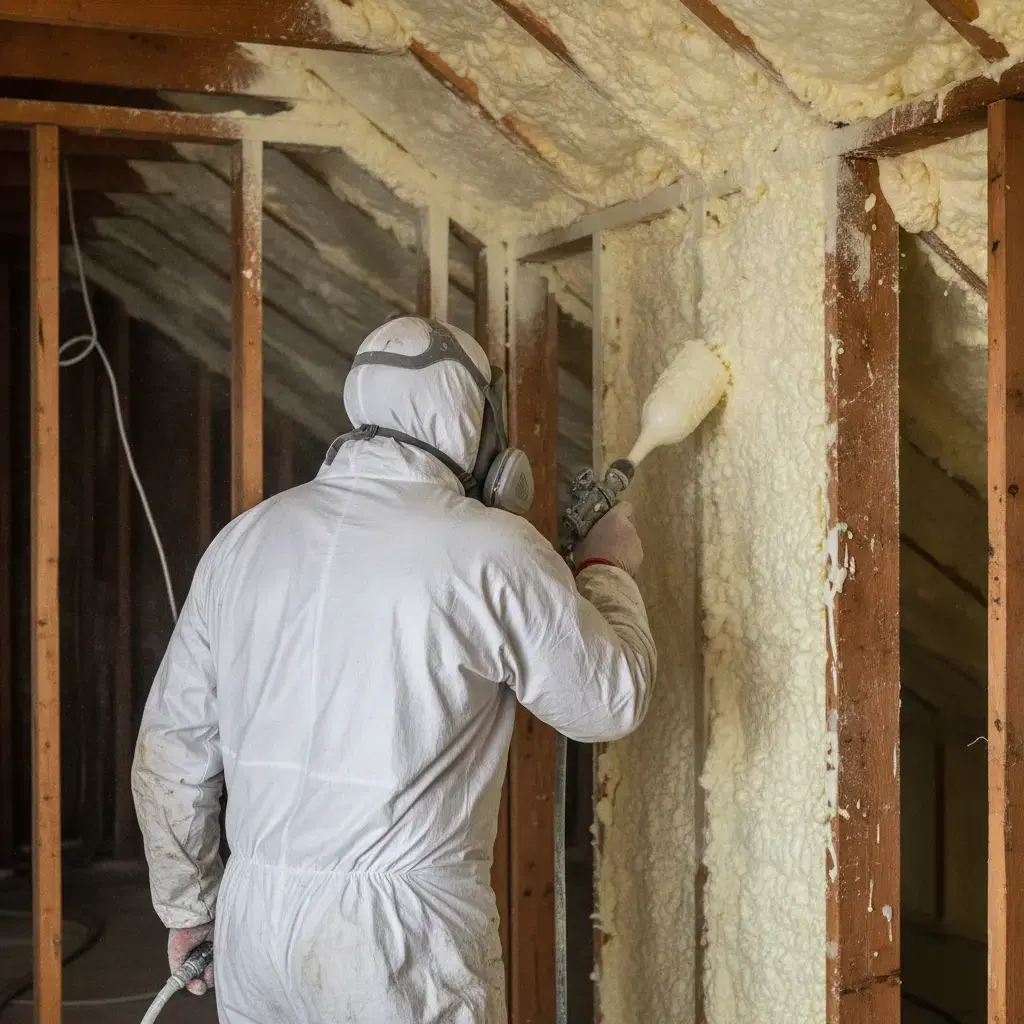
Spray foam attic insulation is a high-performance insulation solution that seals air gaps, reduces heat transfer, and creates a continuous thermal barrier in your attic space. Unlike traditional fiberglass batts or blown-in insulation, spray polyurethane foam expands on contact to fill every crack, seam, and penetration — delivering both insulation and air sealing in a single application.
Signal Hill, CA presents unique insulation challenges. Perched on an elevated mesa surrounded by Long Beach, this compact city experiences marine layer inversions, coastal humidity cycling, and older residential building stock that was never designed for modern energy efficiency standards. These factors combine to make spray foam attic insulation one of the most effective upgrades Signal Hill homeowners can make.
Read moreShow less
At Clear Price Attic Insulation, we specialize in spray foam attic insulation solutions tailored to Signal Hill’s specific climate, home styles, and energy demands. Call us today at (562) 784-7649 to schedule your free assessment.

Understanding Spray Foam Attic Insulation
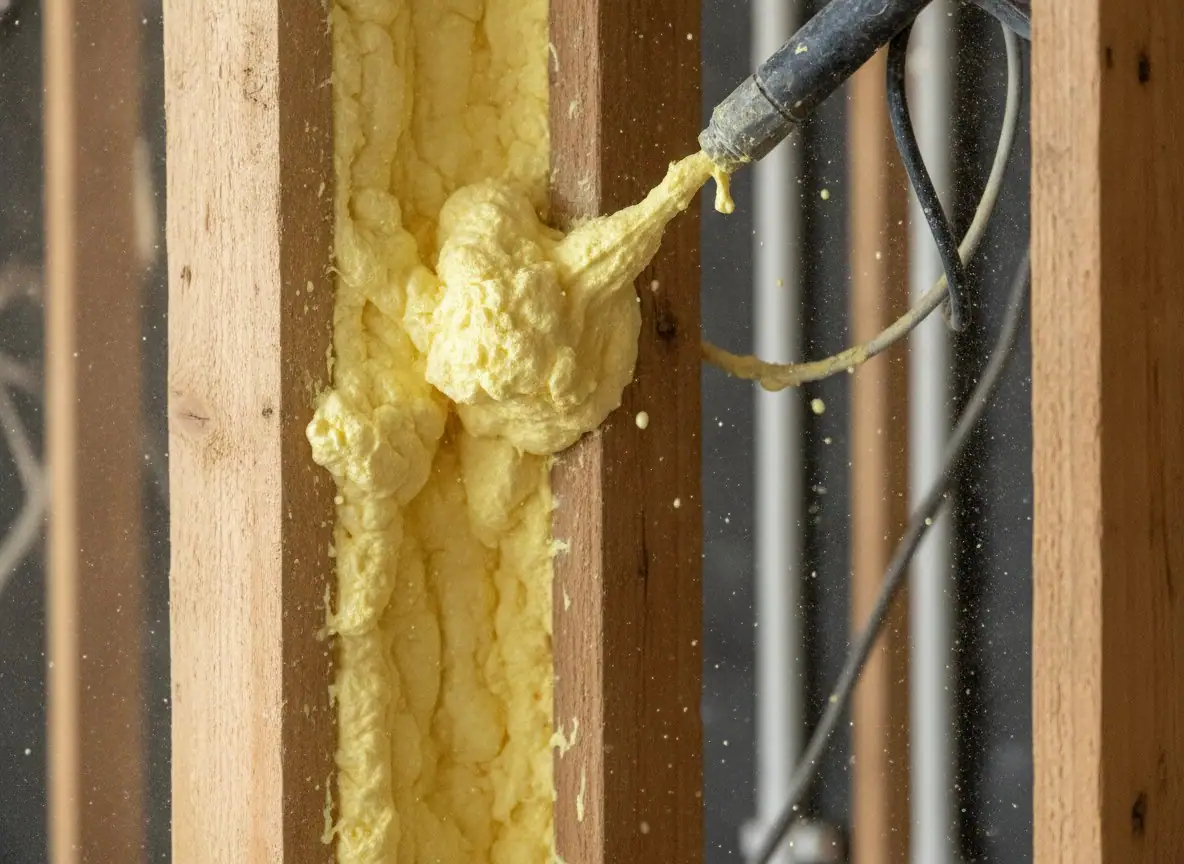
Spray foam attic insulation is composed of two liquid chemical components — isocyanate and polyol resin — that are combined at the tip of a spray gun and react immediately upon application. Within seconds, the mixture expands up to 100 times its liquid volume, creating a rigid or semi-rigid foam that adheres to rafters, roof decking, joists, and walls with exceptional bonding strength.
There are two primary types of spray foam used in attic applications:
- Open-Cell Spray Foam (0.5 lb density): A softer, more flexible foam that expands dramatically and provides excellent sound dampening. It has an R-value of approximately R-3.5 to R-3.8 per inch and is vapor-permeable, making it suitable for certain climate zones.
- Closed-Cell Spray Foam (2 lb density): A denser, rigid foam that provides superior R-value (R-6 to R-7 per inch), acts as a vapor barrier, and adds structural rigidity to roof assemblies. This is the preferred option in coastal Southern California markets like Signal Hill where humidity is a recurring concern.
Read moreShow less
Spray foam insulation became commercially viable for residential use in the 1980s and gained widespread adoption in the 1990s as energy codes tightened across California. The California Title 24 Building Energy Efficiency Standards, first adopted in 1978 and revised numerous times since, have progressively increased insulation requirements — pushing homeowners and contractors toward higher-performance solutions like spray foam.
Signal Hill’s housing stock reflects several distinct eras of construction. Mid-century bungalows built during the post-WWII oil boom (Signal Hill was home to the Signal Hill Oil Field, one of the most productive in U.S. history at its 1920s peak) were constructed with minimal insulation. Ranch-style homes built through the 1960s and 1970s used fiberglass batts that have long since degraded. Condominium and townhome developments from the 1980s and 1990s used blown-in cellulose that compacts and settles over time. All of these building types benefit substantially from spray foam upgrades.
In Signal Hill’s dense, hillside residential environment, attic spaces are often compact and irregularly shaped — making spray foam’s ability to conform to complex geometries particularly valuable compared to rigid board or batt alternatives.
Signs You Need Spray Foam Attic Insulation in Signal Hill
Energy Performance Indicators
- Monthly Southern California Edison bills above $180–$220 for a standard Signal Hill single-family home during summer months
- HVAC system running nearly continuously during June–September without maintaining set temperatures
- Noticeable temperature differences of 5°F or more between upstairs and downstairs rooms
- Hot or cold spots in ceilings directly below the attic space
Physical and Visual Symptoms
- Visible daylight through attic vents, eave gaps, or around plumbing and electrical penetrations
- Existing fiberglass batts that are discolored, compressed, or falling from between joists
- Dusty streaking on attic insulation surfaces (indicating air movement through the insulation rather than around it)
- Dark staining or moisture rings on attic sheathing or rafters — a sign of repeated condensation events
Indoor Comfort and Air Quality Issues
- Musty or stale odors entering living spaces from the attic, particularly during Signal Hill’s morning marine layer hours
- Elevated indoor humidity levels (above 55%) despite running air conditioning
- Allergy symptoms that worsen inside the home, possibly indicating mold in an inadequately insulated and ventilated attic
- Drafts felt near ceiling light fixtures, recessed lights, or ceiling fans — indicating air bypass from the attic
Urgency Indicators
If you observe visible mold growth on attic structural members, active moisture intrusion, or insulation that is wet or water-damaged, these represent urgent conditions requiring immediate professional assessment to prevent structural damage and health risks.
Free, no-obligation estimates
Talk to Clear Price Attic Insulation
Tell us what you need and we’ll take it from there.
Our process
Our Spray Foam Attic Insulation Process in Signal Hill
- 01
Free On-Site Attic Assessment (1–2 Hours)
A Clear Price Attic Insulation specialist visits your Signal Hill property to evaluate existing insulation R-values, identify air leakage pathways, inspect for moisture or mold, and measure your attic’s geometry. We use a thermal imaging camera and blower door
- 02
Detailed Written Estimate and Scope of Work (Same Day or Within 24 Hours)
We provide a transparent, itemized written estimate — no hidden fees, no vague line items. The scope specifies foam type (open-cell or closed-cell), target R-value, coverage area in square feet, and preparation requirements. This is our “Clear Price” commitmen
- 03
Preparation and Protection (2–3 Hours on Installation Day)
Before any foam is applied, our crew protects attic HVAC equipment, ductwork, and electrical panels with plastic sheeting. We seal off attic access hatches from the living space to prevent off-gassing from entering the home during curing. Any existing damaged
- 04
Air Sealing Pre-Treatment (1–2 Hours)
We address all major air bypass pathways before applying foam — sealing around top plates, recessed light fixtures, plumbing penetrations, and attic hatch perimeters with appropriate caulk and foam backer. This step is critical in Signal Hill’s older homes whe
- 05
Spray Foam Application (2–6 Hours Depending on Attic Size)
Our trained technicians apply spray foam in controlled passes to achieve specified thickness. For closed-cell foam, multiple passes of 1–2 inches each are applied with appropriate cure time between layers to prevent exothermic overheating. Coverage is verified
- 06
Post-Application Inspection and Cleanup (1–2 Hours)
After the foam cures (typically 24 hours before full cure, though surface-dry in minutes), we inspect coverage uniformity, verify no gaps or voids, and clean up all protective sheeting and materials. Any over-spray is trimmed and removed.
- 07
Final Documentation and Energy Performance Baseline
We provide you with a completion report documenting the foam type, installed R-value, and square footage — documentation useful for utility rebate applications through Southern California Edison’s residential efficiency programs.
Spray Foam Insulation Methods and Approaches
Closed-Cell Spray Foam — Roofline/Conditioned Attic Application
Applied directly to the underside of roof sheathing and rafters, this method transforms an unconditioned attic into a conditioned semi-interior space. Ideal for Signal Hill homes with HVAC equipment or ductwork in the attic, as it eliminates duct losses into unconditioned space. Requires 3–5 inches of closed-cell foam to achieve R-21 minimum per California’s requirements for this application type. This is our most recommended approach for Signal Hill’s humidity-exposed roof assemblies. Explore our full spray foam insulation services
Open-Cell Spray Foam — Attic Floor Application
Applied between and over attic floor joists, open-cell foam provides excellent air sealing at a lower material cost than closed-cell. Requires greater installed thickness (5.5–8 inches) to achieve R-19 to R-30 values. Better suited for Signal Hill homes where HVAC equipment is located in conditioned space below, not in the attic itself.
Hybrid Foam and Blow-In System
A cost-effective approach combining a 1-inch closed-cell spray foam flash coat (for vapor control and air sealing) followed by blown-in fiberglass or cellulose to achieve target R-values. This method reduces material costs while maintaining vapor management critical in Signal Hill’s coastal microclimate. Learn about our blow-in insulation options
Targeted Air Sealing with Supplemental Spray Foam
For Signal Hill homes with newer existing insulation that still has adequate R-value, we offer targeted spray foam application exclusively to air bypass pathways — top plates, penetrations, and eave connections — without full replacement. This focused approach delivers significant energy improvements at reduced cost.
Spray Foam Attic Insulation Cost in Signal Hill, CA
Understanding cost expectations for spray foam attic insulation in Signal Hill helps homeowners make informed decisions. Below are current market ranges for this area:
Typical Cost Ranges
- Open-Cell Spray Foam (attic floor): $1.00–$1.50 per board foot installed. A typical 1,200 sq ft Signal Hill attic at 5.5 inches depth = approximately $6,600–$9,900.
- Closed-Cell Spray Foam (roofline application): $2.00–$3.50 per board foot installed. A 1,200 sq ft attic at 3 inches depth = approximately $7,200–$12,600.
- Hybrid Flash-and-Blow System: $2,500–$5,500 for a standard Signal Hill single-family home, depending on attic size and existing insulation condition.
- Targeted Air Sealing Only: $800–$2,500 depending on the number and severity of bypass pathways identified.
Read moreShow less
Factors That Affect Your Signal Hill Project Cost
- Attic accessibility: Signal Hill’s hillside homes often have attic access points or structural configurations that require additional labor for safe navigation.
- Existing insulation removal: If prior insulation must be removed before spray foam application, expect to add $1,000–$3,000 to the total. See our insulation removal pricing
- Attic square footage and height: Larger or taller attic volumes require more material and labor time.
- Foam type and target R-value: Higher R-values require more foam volume and proportionally higher material costs.
Available Rebates and Incentives
Southern California Edison offers rebates for qualifying insulation upgrades through the Energy Upgrade California program. Signal Hill homeowners may also qualify for federal tax credits under the Inflation Reduction Act (IRA) Section 25C, which provides a 30% tax credit (up to $1,200) for qualifying insulation improvements. We provide all necessary documentation to support your rebate and tax credit applications.
Signal Hill Neighborhoods We Serve
Hilltop District
The elevated Hilltop area of Signal Hill features many of the city’s oldest residences, including craftsman bungalows and ranch-style homes built during the 1940s–1960s oil boom era. These homes frequently have shallow attic spaces with rock wool or early fiberglass insulation well past its service life. Closed-cell spray foam is particularly effective here given the elevated exposure to coastal winds at the top of the hill.
Willow Street Corridor
Residential properties along and near Willow Street represent Signal Hill’s mid-century suburban development, with 1,200–1,800 sq ft single-story ranch homes on slab foundations. Many of these homes have original attic insulation from the 1960s and 1970s that measures below R-11 — well under current code requirements.
East Signal Hill — Temple and Cherry Avenue Areas
This area contains Signal Hill’s newer condominium and townhome developments from the 1980s and 1990s, featuring shared-wall construction with complex attic configurations. Spray foam’s ability to conform to irregular geometries makes it the preferred solution for these multi-unit building types. Learn more about our attic insulation services
Spring Street Commercial-Residential Transition Zone
Mixed residential properties near Spring Street include converted buildings and newer infill construction. These properties often have attic spaces modified for mechanical equipment, requiring customized spray foam solutions that work around existing systems.
Maintenance Tips for Spray Foam Attic Insulation in Signal Hill
- Annual attic visual inspection: Check your attic each spring (after Signal Hill’s winter rain season) for any signs of moisture intrusion, foam separation from framing, or pest activity that could compromise the foam barrier.
- Monitor attic humidity levels: Install a simple digital hygrometer in your attic space. If readings consistently exceed 65% relative humidity, contact a professional to assess your ventilation and vapor management strategy.
- Inspect attic access hatch seals annually: The attic hatch is a common air bypass point. Verify weatherstripping remains intact, especially after summer heat cycles that can degrade adhesive-backed seals.
- Keep attic vents clear: Ensure soffit vents are not blocked by spray foam overspray or accumulated debris, particularly after Santa Ana wind events that can deposit organic material in eave areas.
- Check HVAC ductwork annually: If your attic contains ductwork, inspect visible duct connections for separation or damage after any seismic activity — even minor tremors along the Newport-Inglewood Fault can loosen connections.
- Avoid storing materials on spray foam surfaces: Heavy attic storage placed directly on foam can compress and crack closed-cell foam. Use attic floor boards placed on joists for any storage areas.
- Schedule professional re-inspection every 5–7 years: Spray foam is durable, but a professional evaluation ensures your system continues performing optimally as your home ages.
Why Choose Clear Price Attic Insulation in Signal Hill
At Clear Price Attic Insulation, we’ve built our reputation on honest pricing and expert service throughout the Signal Hill and greater Long Beach area. We understand the specific challenges Signal Hill homeowners face — coastal humidity, aging building stock, hillside home configurations, and the proximity to the Newport-Inglewood Fault — and we bring that local knowledge to every project.
Our team is trained specifically in spray foam application techniques appropriate for Southern California’s Climate Zone 8, ensuring your installation meets or exceeds California Title 24 requirements. We use only commercial-grade spray foam products from established manufacturers, applied with professional-grade proportioning equipment that ensures consistent mix ratios and optimal foam performance.
Read moreShow less
We serve homeowners across Signal Hill and throughout our wider service area including Long Beach, Carson, Lakewood, Compton, Norwalk, Seal Beach, and surrounding communities. Our “Clear Price” commitment means your written estimate is your final price — no surprise charges at project completion.
Ready to improve your home’s energy performance? Call us at (562) 784-7649 or request your free assessment online. Schedule your free attic assessment today
FAQ
Frequently Asked Questions: Spray Foam Attic Insulation in Signal Hill, CA
How much does spray foam attic insulation cost in Signal Hill, CA?
In Signal Hill and the surrounding Long Beach area, spray foam attic insulation typically costs between $1.00 and $3.50 per board foot installed, depending on foam type (open-cell vs. closed-cell) and application method. A complete attic insulation project for a standard 1,200–1,500 sq ft Signal Hill home generally ranges from $5,500 to $13,000. Hybrid flash-and-blow systems are available starting around $2,500 for smaller attic spaces. We provide free, itemized written estimates before any work begins.
How long does spray foam attic insulation installation take in Signal Hill?
Most Signal Hill residential spray foam attic insulation projects are completed in a single day. The full process — including preparation, air sealing pre-treatment, foam application, and cleanup — typically takes 6–10 hours depending on attic size and complexity. You can return to normal use of your home the same evening. Full foam cure to maximum strength takes approximately 24 hours, during which we recommend keeping attic access closed.
Is closed-cell or open-cell spray foam better for Signal Hill homes?
For most Signal Hill homes, we recommend closed-cell spray foam for roofline applications due to Signal Hill’s coastal proximity and recurring marine layer humidity. Closed-cell foam acts as a vapor retarder and is not affected by the daily humidity cycling characteristic of Signal Hill’s microclimate. Open-cell foam can be appropriate for attic floor applications in homes where HVAC equipment is not located in the attic space. We assess each home individually and recommend the most appropriate system for your specific conditions.
Will spray foam attic insulation help with Signal Hill’s marine layer humidity?
Yes, significantly. Closed-cell spray foam creates a continuous vapor retarder that prevents moisture-laden marine layer air from diffusing into your attic structure and condensing on cold roof sheathing. This directly addresses one of Signal Hill’s primary insulation challenges — the daily humidity cycling between 85–95% morning relative humidity and drier afternoon conditions that accelerates degradation of traditional insulation materials.
Do I need to remove my old insulation before installing spray foam?
Not always. In many Signal Hill homes, particularly those with existing blown-in cellulose or fiberglass on the attic floor, we can apply a flash coat of closed-cell spray foam directly over existing insulation to add vapor control and air sealing, then supplement with additional blown-in material. However, if existing insulation is water-damaged, mold-contaminated, or pest-infested, removal is required before spray foam installation. Learn about our insulation removal and replacement services
Will spray foam attic insulation affect my home’s ventilation in Signal Hill?
This depends on the application method. When spray foam is applied to the attic floor, traditional passive attic ventilation systems (soffit vents and ridge vents) remain active and should be maintained. When spray foam is applied to the roofline creating a conditioned attic, the ventilation strategy changes — the attic becomes semi-conditioned space and traditional ventilation is no longer required or appropriate. We design each system to comply with California Building Code ventilation requirements for your specific application.
Does spray foam attic insulation qualify for rebates in Signal Hill?
Yes. Signal Hill residents served by Southern California Edison may qualify for rebates through energy efficiency programs. Additionally, federal tax credits under IRA Section 25C provide a 30% credit (up to $1,200 annually) for qualifying insulation improvements. We provide all required project documentation to support your rebate and tax credit applications. We recommend contacting Southern California Edison directly or visiting the Energy Upgrade California website for current program availability and requirements.
How long does spray foam attic insulation last in Southern California’s climate?
High-quality spray polyurethane foam is extremely durable and, when properly installed, can last 80+ years without significant degradation. Unlike fiberglass batts that compress and settle over time, or cellulose that absorbs moisture and loses R-value, spray foam maintains its dimensional stability and thermal performance throughout its lifetime. Signal Hill’s climate — free from freeze-thaw cycles that stress other materials — is actually favorable for spray foam longevity.
Get Your Free Spray Foam Attic Insulation Estimate in Signal Hill Today
Don’t let Signal Hill’s coastal humidity, marine layer cycling, and aging building stock continue costing you money on monthly energy bills. Clear Price Attic Insulation is ready to assess your home, recommend the right spray foam solution for your attic, and provide a transparent written estimate with no hidden fees.
We serve Signal Hill and all surrounding communities including Long Beach, Lakewood, Carson, Compton, Norwalk, Seal Beach, and more. Our team is familiar with Signal Hill’s specific neighborhood conditions, building eras, and energy performance challenges — bringing real local expertise to every project.
Call us today at (562) 784-7649 to schedule your free on-site attic assessment. Or request your free estimate online here — we typically respond within one business day.
Get in touch
Find insulation help near you
Request a free estimate online or give us a call — our team will follow up quickly.
- Call us(562) 784-7649
- Visit1653 E 28th St #6, Signal Hill, CA 90755
- HoursMon-Sun 07:00-19:00